

Kennedy Goes Live: Presidential TV Conference Debuts
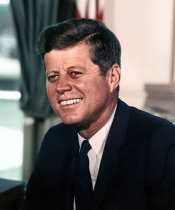
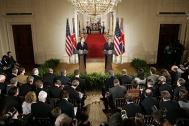
John F. Kennedy walked into the State Department auditorium on January 25, 1961, faced 418 reporters, and answered their questions on live television for the first time in presidential history. Previous presidents had held press conferences, but their remarks were embargoed, edited, and released on the administration's terms. Kennedy eliminated the filter entirely. His staff was terrified: one gaffe could become an international incident before anyone could spin it. Kennedy thrived in the format. His wit, command of policy detail, and telegenic ease made the press conferences into must-watch television. He held sixty-four of them during his presidency, averaging roughly one every sixteen days. The innovation permanently changed the relationship between the president and the press. Every subsequent president has been measured by their ability to perform in real time before cameras, a standard Kennedy invented.
January 25, 1961
65 years ago
Key Figures & Places



What Else Happened on January 25
The Praetorian Guard discovered Claudius hiding behind a palace curtain following Caligula’s assassination, forcing the Senate to accept him as emperor by morni…

The Abbasid revolution ended with a massacre. After defeating the Umayyad army at the Battle of the Great Zab River on January 25, 750, Abbasid forces hunted do…
Fourteen years old and suddenly king—with his mother Isabella and her lover Roger Mortimer pulling the strings. They'd just deposed his father, Edward II, in a …
A teenage king with a mother who'd just engineered a royal coup. Edward III watched as his father, Edward II, was dramatically stripped of power—humiliated by I…
The ground didn't just shake. It screamed. A massive earthquake ripped through the Alpine foothills, turning stone churches into rubble and sending tremors all …
Venice surrendered everything. After sixteen brutal years of naval battles across the Mediterranean, the Republic would pay 100,000 gold ducats and cede strateg…
Talk to History
Have a conversation with historical figures who witnessed this era. Ask questions, explore perspectives, and bring history to life.