

Columbus Lands in Bahamas: Europe Enters the Americas
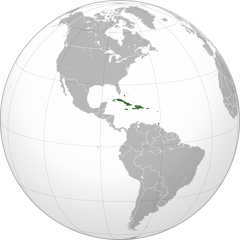
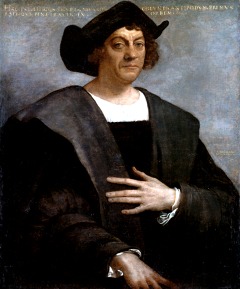
Rodrigo de Triana aboard the Pinta spotted land at approximately 2 a.m. on October 12, 1492. Columbus had promised a silk doublet and a lifetime pension of 10,000 maravedis to whoever saw land first, but he claimed the reward himself, insisting he had seen a light the previous evening. The expedition landed on an island in the Bahamas, probably Watling Island, where they encountered the Lucayan Taino people. Columbus's journal entries from that first day describe the Taino as generous, naive, and ideal subjects for conversion and servitude. Within two years, he had established the encomienda system of forced labor. Within 50 years, the Taino population had collapsed from an estimated 250,000 to near zero through disease, slavery, and violence. The exchange of peoples, crops, and pathogens that followed reshaped every continent on earth.
October 12, 1492
534 years ago
Key Figures & Places

What Else Happened on October 12
Cyrus the Great marched his Persian forces into Babylon, ending the Neo-Babylonian Empire without a major battle. By allowing the city’s captive populations, in…
Cyrus the Great's forces marched into Babylon on October 12, 539 BC, toppling a millennia-old empire without a battle. This conquest immediately freed Jewish ca…
Edwin of Northumbria died at Hatfield Chase with most of his army. He'd united northern England and converted to Christianity. Penda of Mercia and Cadwallon of …
King Ladislaus I established the fortress of Varadinum, formally documenting the site now known as Oradea in a papal bull. This administrative recognition trans…
King John lost the English Crown Jewels in The Wash in 1216 when his baggage train tried to cross the estuary at low tide and misjudged the timing. The tide cam…
Nichiren Shōshū split from other Buddhist schools on October 12, 1279, when Nikko left Mount Minobu after a dispute over doctrine. He founded Taiseki-ji temple …
Talk to History
Have a conversation with historical figures who witnessed this era. Ask questions, explore perspectives, and bring history to life.