

Gregorian Calendar Debuts: Pope Fixes the Year
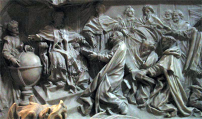
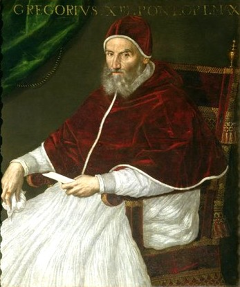
October 15, 1582, was the first day of the Gregorian calendar in countries that adopted it immediately: Spain, Portugal, the Papal States, and the Polish-Lithuanian Commonwealth. The previous day had been October 4. Pope Gregory XIII ordered the deletion of ten days to correct the Julian calendar's drift of one day every 128 years. Easter had been arriving earlier each century, which was unacceptable to a church that based its entire liturgical calendar on the spring equinox. Protestant countries refused to follow a papal decree on principle. Britain and its colonies didn't switch until 1752, by which time the gap had grown to 11 days. Benjamin Franklin cheerfully noted 'nothing is offered to us in exchange except the satisfaction of sleeping a little longer.' Russia waited until 1918. Greece held out until 1923.
October 15, 1582
444 years ago
Key Figures & Places



What Else Happened on October 15
Belisarius entered Carthage on foot, leading his army through the gates the Vandals had abandoned. He'd recaptured North Africa for Byzantium in a single campai…
Edgar the Ætheling was proclaimed King of England after Harold died at Hastings. He was fifteen, the last male member of the royal house. He was never crowned. …
The Witan proclaims Edgar the Ætheling king after Harold II falls at Hastings, yet this coronation remains a hollow gesture since they never crown him. Edgar co…
Henry of Flanders led 260 Latin knights against Theodore Lascaris and 2,000 Byzantine cavalry at the Rhyndacus River. The Latins had conquered Constantinople ei…
Ottoman forces abandoned the Siege of Vienna after failing to breach the city walls, signaling the end of their rapid expansion into Central Europe. This retrea…
Suleiman the Magnificent besieged Vienna for three weeks in 1529 with 120,000 troops, expecting the city to surrender. It didn't. His siege guns were stuck in m…
Talk to History
Have a conversation with historical figures who witnessed this era. Ask questions, explore perspectives, and bring history to life.