

Napoleon Retreats from Moscow: Empire Crumbles
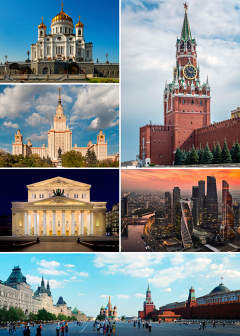
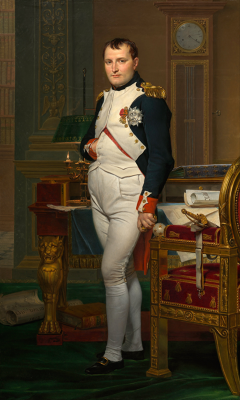
Napoleon entered Moscow on September 14, 1812, expecting Tsar Alexander to negotiate. Instead, fires consumed three-quarters of the city within days, probably set by Russian agents. Napoleon waited five weeks for a surrender offer that never came. On October 19, he ordered the Grande Armee to retreat. Of the 685,000 soldiers who had crossed into Russia in June, roughly 400,000 were already dead or captured. The retreat turned into a death march through early winter. Soldiers ate their horses, then their boots. Cossack raiders picked off stragglers. Temperatures dropped to minus 30. At the crossing of the Berezina River in November, thousands drowned or froze. Fewer than 27,000 effective soldiers reached the border. The disaster emboldened Prussia and Austria to join Russia against Napoleon, leading to his abdication in 1814.
October 19, 1812
214 years ago
Key Figures & Places
What Else Happened on October 19

Scipio Africanus defeated Hannibal at the Battle of Zama in 202 BC, ending the Second Punic War and establishing Roman supremacy over the western Mediterranean.…
King Gaiseric led his Vandal forces into Carthage, seizing the city without a fight after years of relentless pressure on Roman North Africa. By capturing this …
King John succumbed to dysentery at Newark-on-Trent, ending a disastrous reign defined by the loss of French territories and the forced signing of the Magna Car…
Heidelberg University held its first lecture on October 18, 1386. The Elector Palatine founded it after a theological dispute got his scholars expelled from Par…
Bordeaux surrendered to French forces on this day, ending the Hundred Years' War. By losing its final foothold in Aquitaine, England retreated from the continen…

French forces recaptured Bordeaux on October 19, 1453, ending the Hundred Years' War. The conflict had actually lasted 116 years, from 1337 to 1453, and include…
Talk to History
Have a conversation with historical figures who witnessed this era. Ask questions, explore perspectives, and bring history to life.