

Wright's Spiral Opens: Guggenheim Museum Debuts
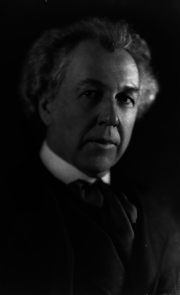
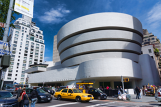
Frank Lloyd Wright spent 16 years designing the Guggenheim Museum, producing over 700 sketches and six sets of working drawings before its opening on October 21, 1959. He died six months before the building was completed. The design was radical: a continuous spiral ramp that visitors walked down from top to bottom, viewing art along the outer wall. Twenty-one artists, including Willem de Kooning and Robert Motherwell, signed a letter protesting that the tilted walls and narrow bays were unsuitable for displaying paintings. Critics were divided. Some called it Wright's masterpiece; others said the architecture overwhelmed the art. The building itself won: it became a UNESCO World Heritage Site in 2019 and draws over a million visitors annually. Many come for the architecture alone.
October 21, 1959
67 years ago
Key Figures & Places
What Else Happened on October 21
Pope Eusebius died in exile on Sicily just sixty-five days after Emperor Maxentius banished him for his rigid stance on readmitting apostates to the church. His…
The People's Crusade never made it to Jerusalem. Peasants, not knights—untrained, poorly armed, following a preacher named Peter the Hermit. They reached Consta…
The People's Crusade ended in a Turkish ambush on October 21, 1096. Peter the Hermit had led 40,000 peasants to Constantinople without armor or training. They'd…
The People's Crusade reached Anatolia in 1096 — 20,000 peasants, barely armed, led by a charismatic preacher named Peter the Hermit. They'd marched from Europe …
Crusader armies began the siege of Antioch with no siege equipment. The city's walls were 30 feet high and studded with 400 towers. The Crusaders had no navy to…
Pope Innocent III crowned Otto IV as Holy Roman Emperor in Rome, formalizing his authority over the fractured German territories. This alliance proved fragile, …
Talk to History
Have a conversation with historical figures who witnessed this era. Ask questions, explore perspectives, and bring history to life.