

Paris Surrenders: German Empire Rises from French Defeat
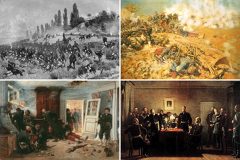
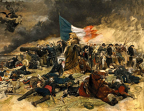
The Prussian siege of Paris lasted over four months, from September 1870 to January 1871, reducing the world's most glamorous capital to eating rats, cats, and the animals from the city zoo. An elephant from the Jardin des Plantes was slaughtered and sold at a premium. When the French government finally signed the armistice on January 28, 1871, the terms were devastating: France ceded Alsace and most of Lorraine to the newly proclaimed German Empire, paid an indemnity of five billion gold francs, and suffered the humiliation of Prussian troops marching through Paris. The territorial loss created a wound in French national pride that festered for forty-three years and became a direct cause of World War I. The defeat also destroyed Napoleon III's Second Empire and gave birth to the Third Republic, which would govern France until Hitler's invasion in 1940.
January 28, 1871
155 years ago
Key Figures & Places
What Else Happened on January 28
He wasn't even in Rome when power landed in his lap. Trajan, a Spanish-born military commander, was literally at the edges of the empire when word came that he'…
The most powerful man in Europe died wearing a white linen shirt and surrounded by chanting monks. Charlemagne - who'd unified most of Western Europe, created a…
He rode into Durham like he owned the place — which, technically, he did. Robert de Comines, freshly minted Earl of Northumbria by William the Conqueror, couldn…
Holy Roman Emperor Henry IV knelt in the snow outside Canossa Castle for three days, begging Pope Gregory VII to rescind his excommunication. By granting absolu…
He walked barefoot through snow, wearing a hair shirt, begging forgiveness. The most powerful monarch in Europe reduced to a supplicant, waiting three days outs…
Six dancers burned alive. The king barely escaped. What started as a lavish masquerade at the Hôtel Saint-Pol turned into a horrific spectacle when one performe…
Talk to History
Have a conversation with historical figures who witnessed this era. Ask questions, explore perspectives, and bring history to life.