

Michelangelo Finishes Sistine Chapel: Renaissance Art Reaches its Peak
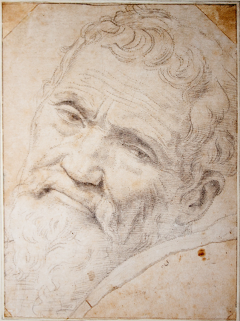
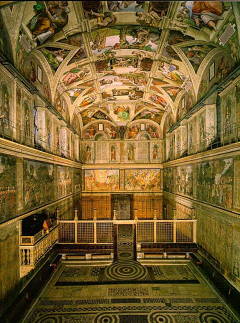
Michelangelo spent four years on his back atop scaffolding 60 feet above the Sistine Chapel floor, painting roughly 5,000 square feet of frescoes depicting nine scenes from the Book of Genesis. He completed the work on November 1, 1512, and Pope Julius II unveiled it to the public. Michelangelo had resisted the commission, insisting he was a sculptor, not a painter. Julius II insisted. The resulting ceiling includes over 300 human figures, many larger than life, rendered with anatomical precision that remains unmatched in fresco painting. The central image of God creating Adam, their fingers nearly touching, became one of the most reproduced images in Western art. Michelangelo returned to the chapel 24 years later to paint The Last Judgment on the altar wall. The chapel now receives roughly 25,000 visitors per day.
November 1, 1512
514 years ago
Key Figures & Places
What Else Happened on November 1
Roman Emperor Valentinian I received word that the Alemanni had breached the Rhine frontier, launching a massive raid into Gaul. This breach forced the emperor …
The emperor packed up and personally moved to Paris. Not a general, not a deputy — Valentinian I himself relocated his command to a city most Romans still consi…
A single land deed buried in bureaucratic paperwork accidentally named a nation. Emperor Otto III, just sixteen years old, signed a document granting land right…
Empress Matilda surrendered her claim to the English throne after months of political deadlock, allowing Stephen of Blois to reclaim his title as King. This col…
Fifteen-year-old Philip II ascended the French throne, inheriting a kingdom largely confined to the royal domain around Paris. By centralizing administrative po…
The Seljuq Turks seized the strategic port of Sinope, securing their first direct access to the Black Sea. This conquest transformed the Sultanate of Rum into a…
Talk to History
Have a conversation with historical figures who witnessed this era. Ask questions, explore perspectives, and bring history to life.