

FDR Launches Civil Works: Jobs for 4 Million
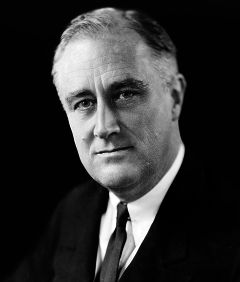
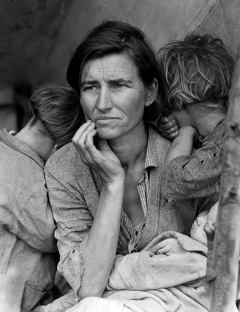
Franklin Roosevelt created the Civil Works Administration on November 8, 1933, as an emergency measure to put 4 million unemployed Americans to work before winter. Harry Hopkins, who ran the program, accomplished this in 30 days. The CWA hired workers directly rather than funneling money through state agencies, paying them $15 per week for 30 hours of work. Projects included building or repairing 255,000 miles of roads, 40,000 schools, 3,700 playgrounds, and 1,000 airports. Criticism came from both sides: conservatives called it make-work socialism; progressives said the wages were too low. Roosevelt himself worried about creating dependency and shut the program down after just five months. But it proved that the federal government could act as an employer of last resort, and its successor, the WPA, operated until 1943.
November 8, 1933
93 years ago
Key Figures & Places
Franklin D. Roosevelt
Wikipedia
Franklin Delano Roosevelt
Wikipedia
Great Depression
Wikipedia
New Deal
Wikipedia

Civil Works Administration
Wikipedia

Great Depression
Wikipedia

New Deal
Wikipedia

Franklin D. Roosevelt
Wikipedia

Civil Works Administration
Wikipedia

1932 United States presidential election
Wikipedia
President
Wikipedia

Herbert Hoover
Wikipedia
Great Depression
Wikipedia
What Else Happened on November 8
Sayf al-Dawla had terrorized Byzantine frontiers for decades. Brilliant. Relentless. Nearly untouchable. Then Leo Phokas the Younger lured him into the Andrasso…
He wasn't sick. He wasn't overthrown. Trần Thánh Tông simply handed power to his son Trần Khâm and walked away from the throne by choice. No coup, no crisis — j…
Venetian authorities forced glassmakers to relocate their furnaces to the island of Murano to contain the constant threat of fire in the city’s wooden heart. Th…

Hernan Cortes and roughly 400 Spanish soldiers marched into Tenochtitlan on November 8, 1519, entering one of the world's largest cities, home to at least 200,0…
Christian II ordered the execution of nearly one hundred Swedish noblemen immediately after his coronation, shattering his own promises of a general amnesty. Th…
Three days of executions. King Christian II of Denmark had promised amnesty — then ordered the killings anyway. Around 100 Swedish nobles, bishops, and burghers…
Talk to History
Have a conversation with historical figures who witnessed this era. Ask questions, explore perspectives, and bring history to life.