

Lancaster Bombers Sink Tirpitz: Germany's Last Battleship
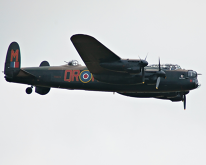
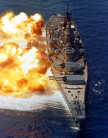
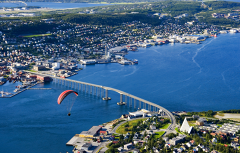
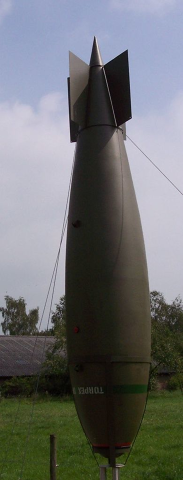
Twenty-nine RAF Lancaster bombers from 617 Squadron (the Dambusters) and 9 Squadron attacked the German battleship Tirpitz in Tromso Fjord, Norway, on November 12, 1944, using Barnes Wallis's 12,000-pound Tallboy 'earthquake' bombs. At least two bombs struck the ship directly. The Tirpitz capsized in shallow water within minutes, trapping nearly 1,000 crew below decks. The ship had spent most of the war hiding in Norwegian fjords, but its mere presence had forced the Royal Navy to keep capital ships in home waters to counter a potential breakout. The previous 24 attacks on the Tirpitz, including midget submarine raids and carrier strikes, had damaged but failed to sink her. The Tirpitz was the last major warship of the Kriegsmarine. Her destruction freed six Royal Navy battleships and two fleet carriers for the Pacific theater.
November 12, 1944
82 years ago
Key Figures & Places




What Else Happened on November 12
Tibetan forces seized the Tang Dynasty capital of Chang'an, forcing Emperor Daizong to flee the city for two weeks. This brief occupation exposed the fragility …
Thirteen-year-old Lothair III ascended to the West Frankish throne at the Abbey of Saint-Remi, securing a fragile Carolingian hold on power during a period of i…
Constantine VIII had one problem: he was dying with no male heir. His solution? Force his daughter Zoe — already in her late forties — to marry a startled noble…
Wallachian Voivode Basarab I lured the retreating Hungarian army into a mountain pass and destroyed it in a devastating ambush. The victory at Posada secured Wa…
The English Parliament granted Plymouth its official status as the first incorporated town in 1439. This legal recognition empowered local leaders to manage the…
Parliament repealed the anti-papal laws of Henry VIII, formally reconciling England with the Roman Catholic Church under Queen Mary I. This legislative reversal…
Talk to History
Have a conversation with historical figures who witnessed this era. Ask questions, explore perspectives, and bring history to life.