

Voyager 1 Reaches Saturn: First Close-Up Photos
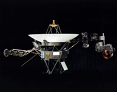
NASA's Voyager 1 probe zooms past Saturn, snapping the first close-up photographs that reveal the intricate complexity of its ring system. These images immediately shatter previous assumptions about the rings being simple, dusty bands, compelling astronomers to recognize them as dynamic structures filled with thousands of individual particles and gaps.
November 12, 1980
46 years ago
Key Figures & Places





What Else Happened on November 12
Tibetan forces seized the Tang Dynasty capital of Chang'an, forcing Emperor Daizong to flee the city for two weeks. This brief occupation exposed the fragility …
Thirteen-year-old Lothair III ascended to the West Frankish throne at the Abbey of Saint-Remi, securing a fragile Carolingian hold on power during a period of i…
Constantine VIII had one problem: he was dying with no male heir. His solution? Force his daughter Zoe — already in her late forties — to marry a startled noble…
en Inglaterra, Haroldo Harefoot se proclamó rey.
Mit der Päpstlichen Bulle Cum inter nonnullos greift Papst Johannes XXII. drastisch in den Armutsstreit der Franziskaner ein. Der Papst verurteilt die von den S…
Wallachian Voivode Basarab I lured the retreating Hungarian army into a mountain pass and destroyed it in a devastating ambush. The victory at Posada secured Wa…
Talk to History
Have a conversation with historical figures who witnessed this era. Ask questions, explore perspectives, and bring history to life.