

Berners-Lee Proposes World Wide Web: Internet's Blueprint
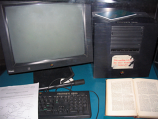
Tim Berners-Lee submitted his proposal for the World Wide Web to his supervisor at CERN on November 12, 1990. The document described a system of hyperlinked documents accessible through the internet. His boss, Mike Sendall, scrawled 'Vague but exciting' across the top and gave him time to develop it. Berners-Lee built the first web browser, the first web server, and the first website by December 1990, all running on a NeXT computer at CERN. He also invented HTML, HTTP, and URLs. Crucially, he never patented any of it. CERN released the technology royalty-free in 1993. That single decision made the web universally accessible. If the web had been proprietary, the internet might have splintered into competing walled gardens. Berners-Lee was a physicist solving a practical problem for his colleagues. He ended up connecting the entire world.
November 12, 1990
36 years ago
Key Figures & Places



What Else Happened on November 12
Tibetan forces seized the Tang Dynasty capital of Chang'an, forcing Emperor Daizong to flee the city for two weeks. This brief occupation exposed the fragility …
Thirteen-year-old Lothair III ascended to the West Frankish throne at the Abbey of Saint-Remi, securing a fragile Carolingian hold on power during a period of i…
Constantine VIII had one problem: he was dying with no male heir. His solution? Force his daughter Zoe — already in her late forties — to marry a startled noble…
Wallachian Voivode Basarab I lured the retreating Hungarian army into a mountain pass and destroyed it in a devastating ambush. The victory at Posada secured Wa…
The English Parliament granted Plymouth its official status as the first incorporated town in 1439. This legal recognition empowered local leaders to manage the…
Parliament repealed the anti-papal laws of Henry VIII, formally reconciling England with the Roman Catholic Church under Queen Mary I. This legislative reversal…
Talk to History
Have a conversation with historical figures who witnessed this era. Ask questions, explore perspectives, and bring history to life.