

Articles of Confederation Approved: First U.S. Constitution
The Continental Congress approved the Articles of Confederation on November 15, 1777, after 16 months of debate over how to balance state sovereignty with national authority. The Articles created a 'firm league of friendship' among the thirteen states but deliberately kept the central government weak. Congress could wage war, negotiate treaties, and manage relations with Native nations, but it couldn't tax citizens, regulate commerce, or enforce its own laws. Each state had one vote regardless of population. Nine of thirteen states had to approve any major legislation. Amendment required unanimity. The system worked well enough to win the Revolution and negotiate the Treaty of Paris, but its weaknesses became crippling during peacetime. Shays' Rebellion in 1786-87 exposed the government's inability to respond to domestic crisis and convinced enough leaders to call the Constitutional Convention.
November 15, 1777
249 years ago
Key Figures & Places
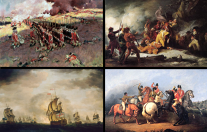
American Revolutionary War
Wikipedia
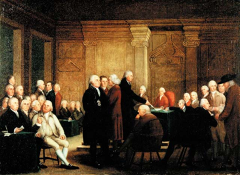
Continental Congress
Wikipedia
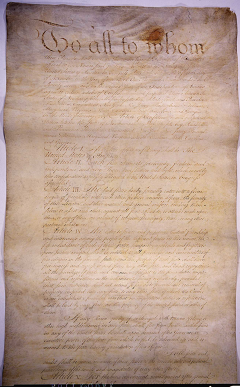
Articles of Confederation
Wikipedia

American Revolutionary War
Wikipedia

Continental Congress
Wikipedia

Articles of Confederation
Wikipedia

Philadelphia
Wikipedia

Second Continental Congress
Wikipedia

Constitutional Convention (United States)
Wikipedia

History of the United States
Wikipedia
What Else Happened on November 15
Justin II ascended the Byzantine throne immediately following the death of his uncle, Justinian I. He inherited a treasury drained by excessive building project…
Oswiu of Northumbria crushed the Mercian army at the Battle of the Winwaed, killing King Penda as his forces retreated through flooded marshes. This decisive vi…
Swiss peasants crush Leopold I's heavy cavalry at Morgarten, shattering Habsburg ambitions to dominate the region. This decisive victory forces Austria to recog…
Swiss confederates ambushed Leopold I’s Austrian cavalry in a narrow pass at Morgarten, using boulders and halberds to shatter the heavy knights. This victory s…
Thomas Wolsey received his cardinal's hat from Pope Leo X, completing his rise from a butcher's son to the most powerful man in England after the king. As Lord …
Atahualpa didn't come alone. He arrived with thousands — some accounts say 80,000 troops camped nearby — yet he walked into Cajamarca's plaza the next day anywa…
Talk to History
Have a conversation with historical figures who witnessed this era. Ask questions, explore perspectives, and bring history to life.