

Nixon Signs Pipeline Act: Alaska Oil Flows to the Nation
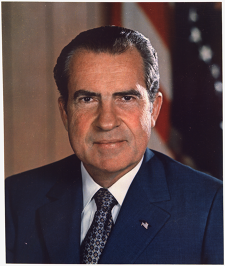
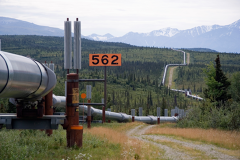
President Nixon signed the Trans-Alaska Pipeline Authorization Act on November 16, 1973, clearing the way for an 800-mile pipeline from Prudhoe Bay on the Arctic coast to Valdez, an ice-free port on Prince William Sound. The OPEC oil embargo, which had begun a month earlier, destroyed congressional resistance to the project. Construction employed 70,000 workers at its peak and cost $8 billion, the most expensive privately funded construction project in history at that time. Engineers designed the pipeline to survive earthquakes, permafrost expansion, and caribou migration routes. Oil began flowing on June 20, 1977. At peak production, the pipeline carried 2.1 million barrels per day, roughly 25% of total U.S. oil production. The 1989 Exxon Valdez oil spill in Prince William Sound exposed the environmental risks that opponents had warned about.
November 16, 1973
53 years ago
Key Figures & Places



What Else Happened on November 16
Emperor Justinian published the second and final revision of his legal code, the Codex Justinianus, consolidating 1,000 years of Roman law into a single systema…
Emperor Li Jing dispatches ten thousand troops under Bian Hao to crush the Chu Kingdom, driving the entire ruling family into exile at his Nanjing capital. This…
He was 1,500 miles away when he became king. Edward I learned of Henry III's death while still in Sicily, returning from the Holy Land — and simply didn't rush …
Jadwiga was crowned King (not Queen) of Poland at age 10, with the masculine title chosen to assert her full sovereign authority. She married Lithuanian Grand D…
The victims never existed. That's the core of it. The "Holy Child of La Guardia" — supposedly a murdered Christian boy whose heart was used in Jewish ritual — w…

Francisco Pizarro arrived at Cajamarca on November 15, 1532, with 168 men, 62 horses, and a few cannons. Atahualpa waited with an army of 80,000, having just wo…
Talk to History
Have a conversation with historical figures who witnessed this era. Ask questions, explore perspectives, and bring history to life.