

Charlemagne Arrives in Rome to Judge the Pope
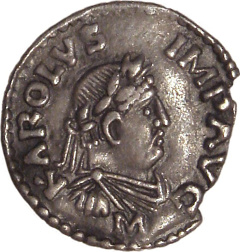
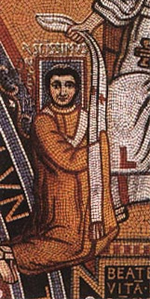
Charlemagne arrived in Rome on November 23, 800, to adjudicate charges that Pope Leo III had committed perjury and adultery. Leo had been physically attacked by rivals in the papal court the previous year and had fled to Charlemagne's court for protection. The Frankish king's investigation cleared the pope, establishing the precedent that no earthly authority could judge the pope, only the pope could judge himself. In return, Leo crowned Charlemagne Emperor of the Romans on Christmas Day, December 25, 800. The coronation created a new Western Roman Empire, challenging Byzantine Constantinople's claim to be the sole heir of Rome. Whether Charlemagne expected or welcomed the crown is debated; the Frankish scholar Einhard claimed he would not have entered the church had he known. The event shaped European politics for the next millennium.
November 23, 800
1226 years ago
Key Figures & Places
What Else Happened on November 23
Thespis of Icaria stepped out of the chorus to deliver solo lines, becoming the first recorded individual actor in Western theater. His innovation of dialogue b…
Saladin entered Damascus and absorbed the city into his growing domain without a fight. Control of this strategic prize gave him the power base to unify Muslim …
Assassins ambushed and killed Prince Leszek I the White during a gathering of Piast dukes at Gąsawa. His death shattered the fragile unity of the Polish princip…
King Ferdinand III of Castile captured Seville after a 16-month siege, taking the largest and wealthiest city remaining under Moorish control in Iberia. The con…
Perkin Warbeck hangs at Tyburn alongside supporter John Atwater after failing to escape the Tower of London. This brutal execution extinguishes the last serious…
Perkin Warbeck, who had claimed to be the lost prince Richard of York and invaded England twice with foreign backing, was hanged after allegedly attempting to e…
Talk to History
Have a conversation with historical figures who witnessed this era. Ask questions, explore perspectives, and bring history to life.