

Washington Proclaims Thanksgiving: A New American Tradition
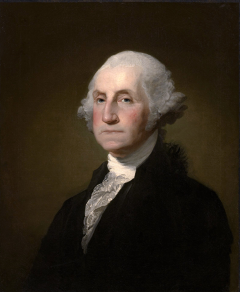
George Washington issued a proclamation on November 26, 1789, designating a national day of thanksgiving, the first under the new Constitution. Congress had requested it, and Washington chose Thursday, November 26. The proclamation asked Americans to acknowledge 'the many signal favors of Almighty God' and to pray for the new government's success. Not everyone approved: some Southern congressmen objected that thanksgiving was a New England custom being imposed on the nation, and anti-Federalists complained it was too monarchical. The holiday was not observed consistently after Washington's presidency; Jefferson refused to issue thanksgiving proclamations, calling them a form of government involvement in religion. Abraham Lincoln revived the tradition in 1863, fixing the holiday on the last Thursday in November. It has been observed annually since.
November 26, 1789
237 years ago
Key Figures & Places

What Else Happened on November 26
Three men divided the entire Roman world over dinner. Octavian was just 19. Antony didn't trust him. Lepidus didn't matter much to either. They met on a small i…
A queen didn't just lose her crown — she lost her freedom. Adosinda, widow of Alfonso I's son Silo, got locked inside a monastery the moment Mauregatus seized A…
Gunpowder bombs. Dropped from Song warships onto Jin vessels crowding the Yangtze. Commander Yu Yunwen hadn't even planned to be there — he was a civil official…
Charles IV secures his throne as German king through a coronation in Bonn by Bishop Walram of Cologne. This act solidifies his authority against rival claimants…
Three times. Vlad III clawed back the throne of Wallachia three separate times — a man the Ottomans, rival boyars, and even his own brother couldn't permanently…
Captain James Cook anchored off the coast of Maui, becoming the first European to encounter the island. This arrival initiated sustained contact between the Haw…
Talk to History
Have a conversation with historical figures who witnessed this era. Ask questions, explore perspectives, and bring history to life.