

Locarno Treaty Signed: Post-WWI Europe Tries to Keep the Peace
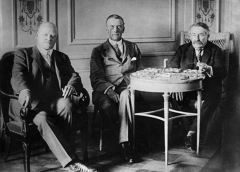
The Germans called it their "diplomatic Versailles" — a treaty they actually chose to sign. Foreign Minister Gustav Stresemann walked into the London ceremony with France and Belgium agreeing to Germany's western borders, something the Treaty of Versailles had simply imposed. The catch? Germany's eastern borders stayed deliberately vague. Poland and Czechoslovakia got guarantees from France, not Germany. Within fourteen years, that omission would matter. Hitler withdrew from Locarno in 1936, remilitarized the Rhineland, and the framework that was supposed to prevent another war became evidence that appeasement had started earlier than anyone wanted to admit.
December 1, 1925
101 years ago
Key Figures & Places
What Else Happened on December 1
Papst Gregor II. schreibt dem Missionar Bonifatius vor, wie er Einkünfte der Kirche – den im 8. Jahrhundert entstandenen Zehnt – und Opfergaben verwenden soll.
Charlemagne sat in judgment of a pope. The charges against Leo III were serious—perjury, adultery, simony—brought by nephews of his predecessor who'd ambushed h…

Pope Leo III staggered into St. Peter's, his face still scarred from the Roman mob that tried to gouge out his eyes and cut out his tongue six months earlier. H…
Der Verlust des Kreuzfahrerstaats Edessa veranlasst Papst Eugen III., sich mit der Bulle Quantum praedecessores an den französischen König Ludwig VII. zu wenden…
Aus Widerstand gegen die Italienpolitik von Kaiser Friedrich I. Barbarossa schließen sich mehrere oberitalienische Städte im Lombardenbund zusammen.
العادل زين الدين كتبغا المنصوري يتولى الحكم ليصبح عاشر سلطان للدولة المملوكية.
Talk to History
Have a conversation with historical figures who witnessed this era. Ask questions, explore perspectives, and bring history to life.