

Ottawa Treaty Bans Landmines: 121 Nations Unite
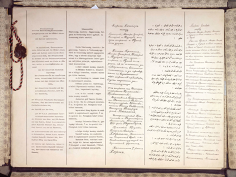
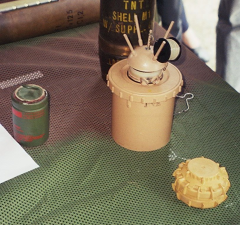
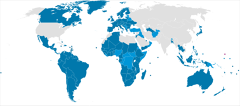
Representatives from 121 nations signed the Ottawa Treaty on December 3, 1997, banning the production, stockpiling, and use of anti-personnel landmines. The treaty was the result of a six-year campaign led by the International Campaign to Ban Landmines, a coalition of NGOs that shared the 1997 Nobel Peace Prize with its coordinator, Jody Williams. Landmines were killing or maiming an estimated 26,000 people per year, most of them civilians in former conflict zones. The treaty required signatories to destroy existing stockpiles within four years and clear all mined areas within ten years. However, the world's largest producers and users, the United States, Russia, and China, refused to sign. Their absence meant millions of mines remained in active arsenals. Despite this gap, mine casualties have dropped by over 50% since the treaty's entry into force.
December 3, 1997
29 years ago
Key Figures & Places






What Else Happened on December 3
Pope John X crowned Berengar I as Holy Roman Emperor, formalizing a desperate alliance to expel Saracen raiders from their fortified base on the Garigliano Rive…
John Paul Jones raised the Grand Union Flag on the USS Alfred, making it the first ship to display this early symbol of American unity. The flag's thirteen alte…
The Austrians won at Wiesloch, but nobody remembers. Sztáray de Nagy-Mihaly pushed back French forces in this small Baden town, briefly reversing Radical France…
The Electoral College produced an unprecedented tie between Thomas Jefferson and his own running mate Aaron Burr, each receiving 73 votes. The deadlock threw th…
French General Moreau routed Austrian Archduke John's forces near Munich in a blinding snowstorm, killing or capturing 14,000 troops. Combined with Napoleon's e…
Illinois entered the Union with a lie already in place. The state constitution banned slavery — except it didn't. Existing enslaved people stayed enslaved. Salt…
Talk to History
Have a conversation with historical figures who witnessed this era. Ask questions, explore perspectives, and bring history to life.