

Bill of Rights Ratified: American Freedoms Secured
Virginia's vote made it official. Ten amendments. The first Congress had proposed twelve — states rejected the two about congressional pay and apportionment. What passed? Limits on federal power that James Madison initially opposed. He thought a bill of rights was "parchment barriers" — ineffective against tyranny. But Anti-Federalists refused to ratify the Constitution without one, so Madison changed course. He wrote the amendments himself, borrowed from state constitutions, then watched Virginia — his home state — cast the deciding vote. The irony: the man who doubted their usefulness created the framework Americans cite more than any other part of the Constitution. Those ten amendments have generated more Supreme Court cases than the rest of the document combined.
December 15, 1791
235 years ago
Key Figures & Places

Virginia
Wikipedia
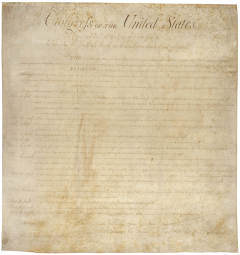
United States Bill of Rights
Wikipedia

United States Bill of Rights
Wikipedia

Virginia General Assembly
Wikipedia

Constitution of the United States
Wikipedia

United States
Wikipedia

1791
Wikipedia

Liste des amendements de la Constitution des États-Unis
Wikipedia

História dos Estados Unidos (1783–1815)
Wikipedia
What Else Happened on December 15
Byzantine general Belisarius shattered the Vandal army at Tricamarum with a series of devastating cavalry charges, sending King Gelimer fleeing into the Numidia…
The Roman clergy couldn't agree. Two men claimed the papacy at once—Paschal and Theodore—each backed by armed factions in the streets. Neither would yield. For …
A Syrian refugee's son became pope — chosen by acclaim while two rival factions fought over who bought the job. Sergius refused to pay the Byzantine emperor's d…

Constantine VIII finally assumed sole control of the Byzantine Empire at age sixty-five, after spending sixty-three years as a titular co-emperor overshadowed b…
Emperor Hailing pushed his army south against Song China despite warnings. At Caishi, Song forces crushed his invasion fleet. Back in camp, his own generals wat…
Chancellor Stephen du Perche relocated the Sicilian royal court to Messina to neutralize mounting unrest among the island’s powerful barons. By physically dista…
Talk to History
Have a conversation with historical figures who witnessed this era. Ask questions, explore perspectives, and bring history to life.