

First Nuclear Power Plant Generates Electricity: EBR-1 in Idaho
Four light bulbs. That's what humanity's atomic future looked like on December 20, 1951—four 200-watt bulbs glowing in an Idaho desert facility, powered by a reactor the size of a small car. The Experimental Breeder Reactor-1 ran for just over two hours that first night. But here's what made it radical: it produced more fuel than it consumed, breeding new plutonium while generating power. Within a decade, nuclear plants would light entire cities. The reactor itself? Shut down in 1964 after proving the concept, then reopened as a museum—visitors can still see those original four bulb sockets, the tiny beginning of the atomic age's grand promise.
December 20, 1951
75 years ago
Key Figures & Places
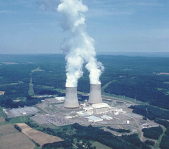
nuclear power
Wikipedia
electricity
Wikipedia
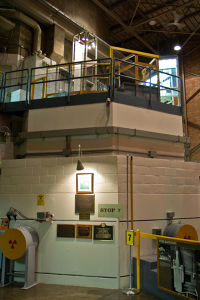
Experimental Breeder Reactor I
Wikipedia
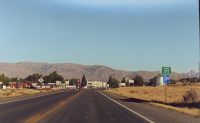
Arco, Idaho
Wikipedia

United States
Wikipedia

Nuclear power
Wikipedia

Nuclear power plant
Wikipedia

Experimental Breeder Reactor I
Wikipedia

Arco, Idaho
Wikipedia

Laboratoire national de l'Idaho
Wikipedia

Forschungsreaktor
Wikipedia
What Else Happened on December 20
Vespasian marched into Rome to claim the imperial throne, ending the chaotic Year of the Four Emperors. By establishing the Flavian dynasty, he restored stabili…
Antonius Primus marched his legions into Rome, slaughtering the supporters of Vitellius to secure the throne for Vespasian. This violent takeover ended the chao…
Callixtus I became pope over the dead body of theological purity — at least according to Hippolytus, who refused to acknowledge him. The fight wasn't about powe…
Byzantine Emperor Romanos I Lekapenos lost his throne when his own sons, Stephen and Constantine, arrested him and forced his abdication. This palace coup ended…
Three popes. All claiming St. Peter's throne. None backing down. Henry III rode into Rome with an army and a plan: call a council at Sutri, twenty miles north,…

Leopold V of Austria seized Richard I while the English king returned from the Third Crusade, turning a triumphant homecoming into a decade-long captivity that …
Talk to History
Have a conversation with historical figures who witnessed this era. Ask questions, explore perspectives, and bring history to life.