

Buenos Aires Founded: Spain Claims South America
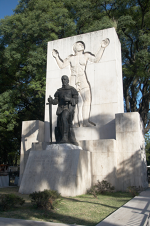
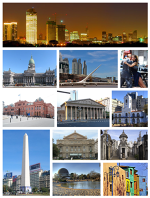
Pedro de Mendoza established a settlement on the western bank of the Rio de la Plata in February 1536, naming it Santa Maria del Buen Ayre after the patron saint of fair winds. The colony nearly perished. Starvation drove settlers to eat rats, shoe leather, and reportedly each other. The indigenous Querandi, initially cooperative, turned hostile after the Spanish demanded food tributes. Attacks and disease reduced the settlement to a fraction of its original 2,500 colonists. Mendoza himself was dying of syphilis and sailed back toward Spain, perishing at sea. The survivors abandoned Buenos Aires in 1541, retreating upriver to Asuncion. The site was refounded in 1580 by Juan de Garay with sixty-three settlers and became the permanent colonial hub that would eventually grow into South America's most cosmopolitan capital, home to over 15 million people in its modern metropolitan area.
February 2, 1536
490 years ago
Key Figures & Places





What Else Happened on February 2
Alaric II published a law code in 506 that wasn't for his own people. The Visigoths had their own customs. But they ruled over millions of Romans in southern Ga…
Rodrigo of Castile marched to the Morcuera gorge near Miranda de Ebro with combined Christian forces. He was counting on the terrain — narrow passes, defensible…
Louis III rode into Saxony with the Frankish army in 880. He was 18. The Norse Great Heathen Army had been raiding the region for months, and Louis wanted them …
Otto I saved the Pope from a Roman mob, then showed up in Rome expecting payment. Pope John XII crowned him Holy Roman Emperor on February 2, 962. The title had…
Conrad II secured the crown of Burgundy after the death of his childless uncle, King Rudolf III. By absorbing this kingdom into the Holy Roman Empire, he gained…
Stephen became the first English king captured in battle since Harold at Hastings. He'd seized the throne from his cousin Matilda in 1135, breaking his oath to …
Talk to History
Have a conversation with historical figures who witnessed this era. Ask questions, explore perspectives, and bring history to life.