

Stalingrad Ends: Soviet Victory Turns WWII Tide
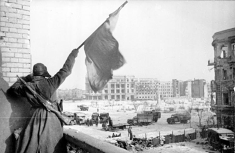
The German 6th Army under Field Marshal Friedrich Paulus surrendered at Stalingrad on February 2, 1943, after five months of fighting that killed nearly two million soldiers and civilians combined. Hitler had forbidden any retreat or breakout, condemning 300,000 encircled troops to starvation and Soviet artillery. Paulus became the first German field marshal ever to surrender, a fact that enraged Hitler, who had promoted him specifically expecting he would commit suicide instead. The Soviet victory at Stalingrad destroyed Germany's best-equipped army and eliminated any possibility of a German offensive victory in the East. The battle forced Hitler to shift to a purely defensive strategy that would steadily hemorrhage territory until Berlin fell two years later. Soviet losses were equally staggering, with over 1.1 million casualties, but the strategic initiative permanently shifted to the Red Army.
February 2, 1943
83 years ago
Key Figures & Places


What Else Happened on February 2
Alaric II published a law code in 506 that wasn't for his own people. The Visigoths had their own customs. But they ruled over millions of Romans in southern Ga…
Rodrigo of Castile marched to the Morcuera gorge near Miranda de Ebro with combined Christian forces. He was counting on the terrain — narrow passes, defensible…
Louis III rode into Saxony with the Frankish army in 880. He was 18. The Norse Great Heathen Army had been raiding the region for months, and Louis wanted them …
Otto I saved the Pope from a Roman mob, then showed up in Rome expecting payment. Pope John XII crowned him Holy Roman Emperor on February 2, 962. The title had…
Conrad II secured the crown of Burgundy after the death of his childless uncle, King Rudolf III. By absorbing this kingdom into the Holy Roman Empire, he gained…
Stephen became the first English king captured in battle since Harold at Hastings. He'd seized the throne from his cousin Matilda in 1135, breaking his oath to …
Talk to History
Have a conversation with historical figures who witnessed this era. Ask questions, explore perspectives, and bring history to life.