

Historical Figure
Martin Luther
d. 1546
German priest, theologian and author (1483–1546)
Talk to Martin Luther
Have a conversation with this historical figure through AI
Biography
Martin Luther was a German priest, theologian, author, hymnwriter, professor, and former Augustinian friar. Luther was the seminal figure of the Protestant Reformation, and his theological beliefs form the basis of Lutheranism. He is widely regarded as one of the most influential figures in Western and Christian history.
In Their Own Words (5)
My whole heart and soul are stirred and incensed against the Turks and Mohammed, when I see this intolerable raging of the Devil. Therefore I shall pray and cry to God, nor rest until I know that my cry is heard in heaven.
Statement while being confined to residence at Coburg, as quoted in History of the Christian Church, (1910) by Philip Schaff, Vol. VII : Modern Christianity : The German Reformation, § 123. Luther at the Coburg; though it mentions Muhammad, this remark might actually be directed at those responsible for his confinement, as he makes allusions to dwelling in the "empire of birds" and his location as a "Sinai" and regularly uses other uncomplimentary comparisons of those involved in suppressing his ideas to figures unpopular to himself and his contemporaries. , 1910
We do not become righteous by doing righteous deeds but, having been made righteous, we do righteous deeds.
Thesis 40 , 1517
Let all the 'free-will' in the world do all it can with all its strength; it will never give rise to a single instance of ability to avoid being hardened if God does not give the Spirit, or of meriting mercy if it is left to its own strength.
p. 202 , 1525
If it were art to overcome heresy with fire, the executioners would be the most learned doctors on earth.
To the Christian Nobility of the German States (1520), translated by Charles M. Jacobs, reported in rev. James Atkinson, The Christian in Society, I (Luther's Works, ed. James Atkinson, vol. 44), p. 207 (1966) , 1520
As to why some are touched by the law and others not, so that some receive and others scorn the offer of grace...[this is the] hidden will of God, Who, according to His own counsel, ordains such persons as He wills to receive and partake of the mercy preached and offered.
p. 169 , 1525
Timeline
The story of Martin Luther, told in moments.
Posts the Ninety-Five Theses on the door of the Castle Church in Wittenberg. He's angry about the sale of indulgences, which promise reduced time in purgatory for cash. The theses are written in Latin. They're translated, printed, and distributed across Germany within weeks, thanks to the printing press. He didn't intend a revolution. He gets one.
Summoned to the Diet of Worms before Emperor Charles V. Asked to recant his writings. "Here I stand. I can do no other." Whether he said those exact words is debated. He refuses to recant. The Emperor declares him an outlaw. On the ride home, armed men kidnap him. It's staged. Frederick the Wise has him hidden in Wartburg Castle.
Translates the New Testament into German in 11 weeks while hiding in Wartburg. He works from the Greek, not the Latin Vulgate. He wants every farmer and maid to read scripture in their own language. The translation helps standardize the German language itself. He completes the full Bible in 1534.
Marries Katharina von Bora, a former nun who escaped her convent in a fish barrel. He's 41. She's 26. They have six children. "Before I was married, the bed was not made for a whole year and became foul with sweat," he writes. "But I worked so hard and was so tired I just fell in." Katharina takes charge.
Dies in Eisleben, the same town where he was born. He is 62. His excommunication was never lifted. His later writings include vicious antisemitic tracts calling for the expulsion of Jews and the burning of synagogues. Lutheranism becomes one of the dominant forces in European Christianity. Germany splits along religious lines for centuries.
Artifacts (15)
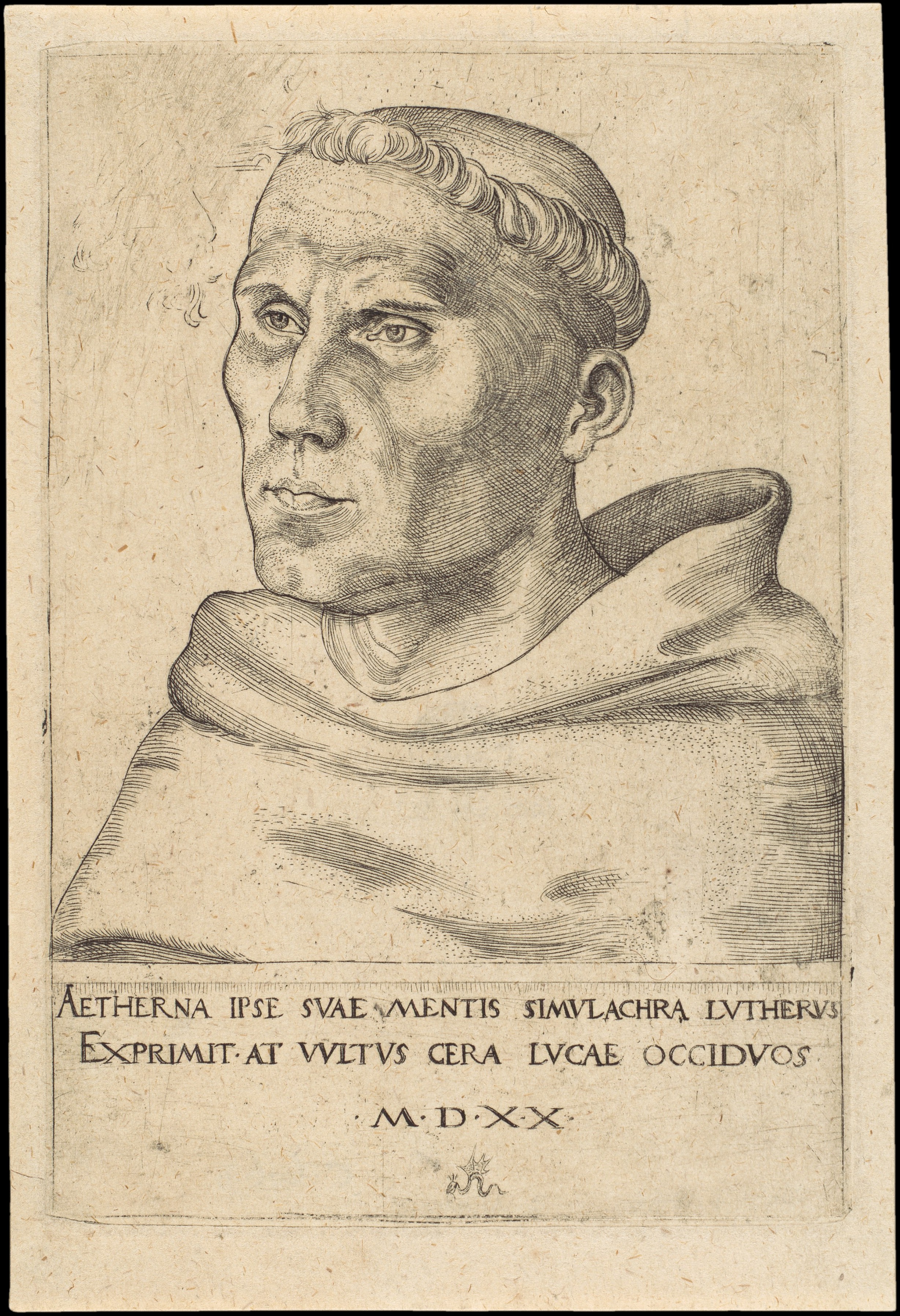
Martin Luther as an Augustinian Monk
Lucas Cranach the Elder
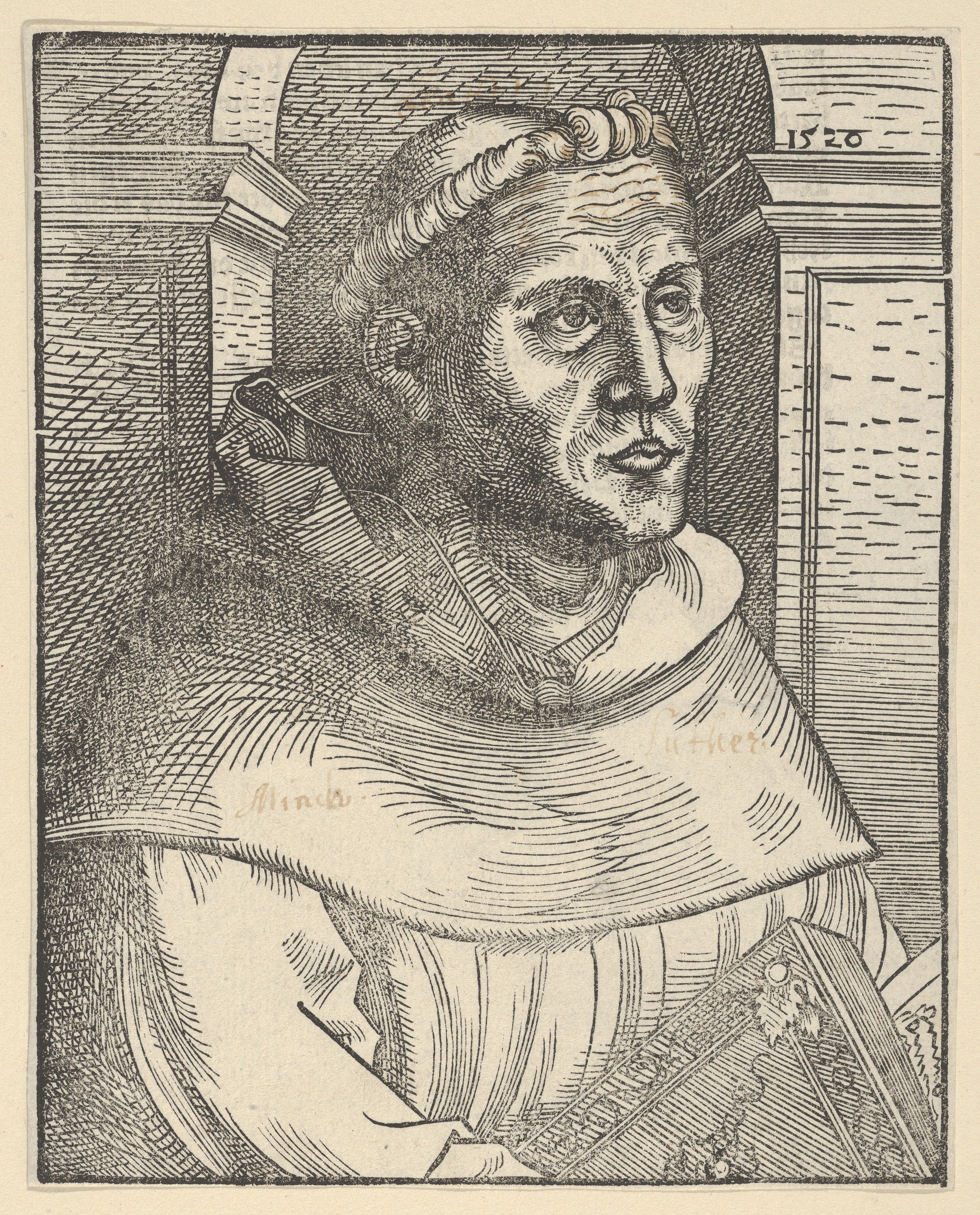
Copy of Luther as an Augustinian Friar, Half Length
Lucas Cranach the Elder|Anonymous, German, 16th century
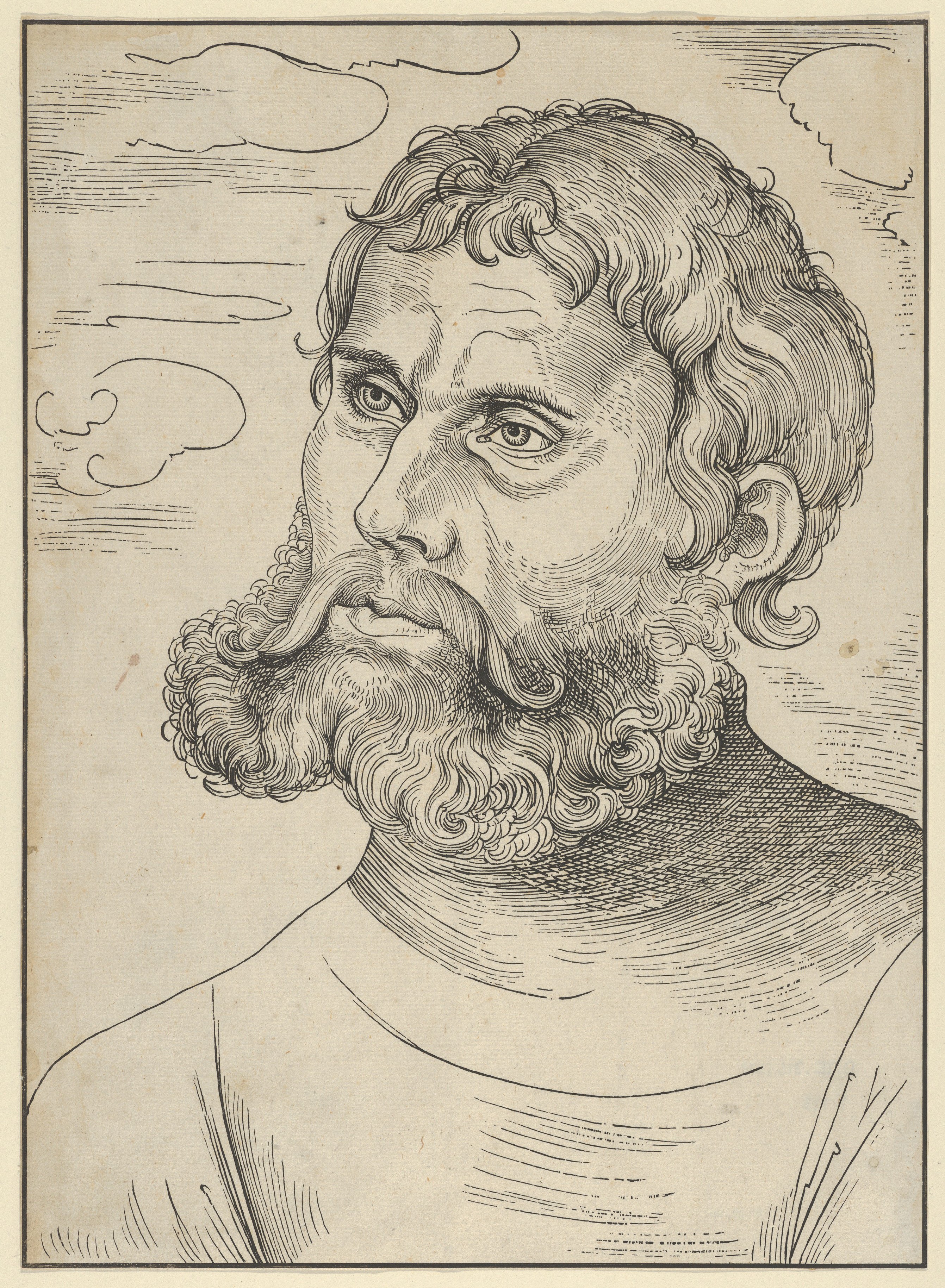
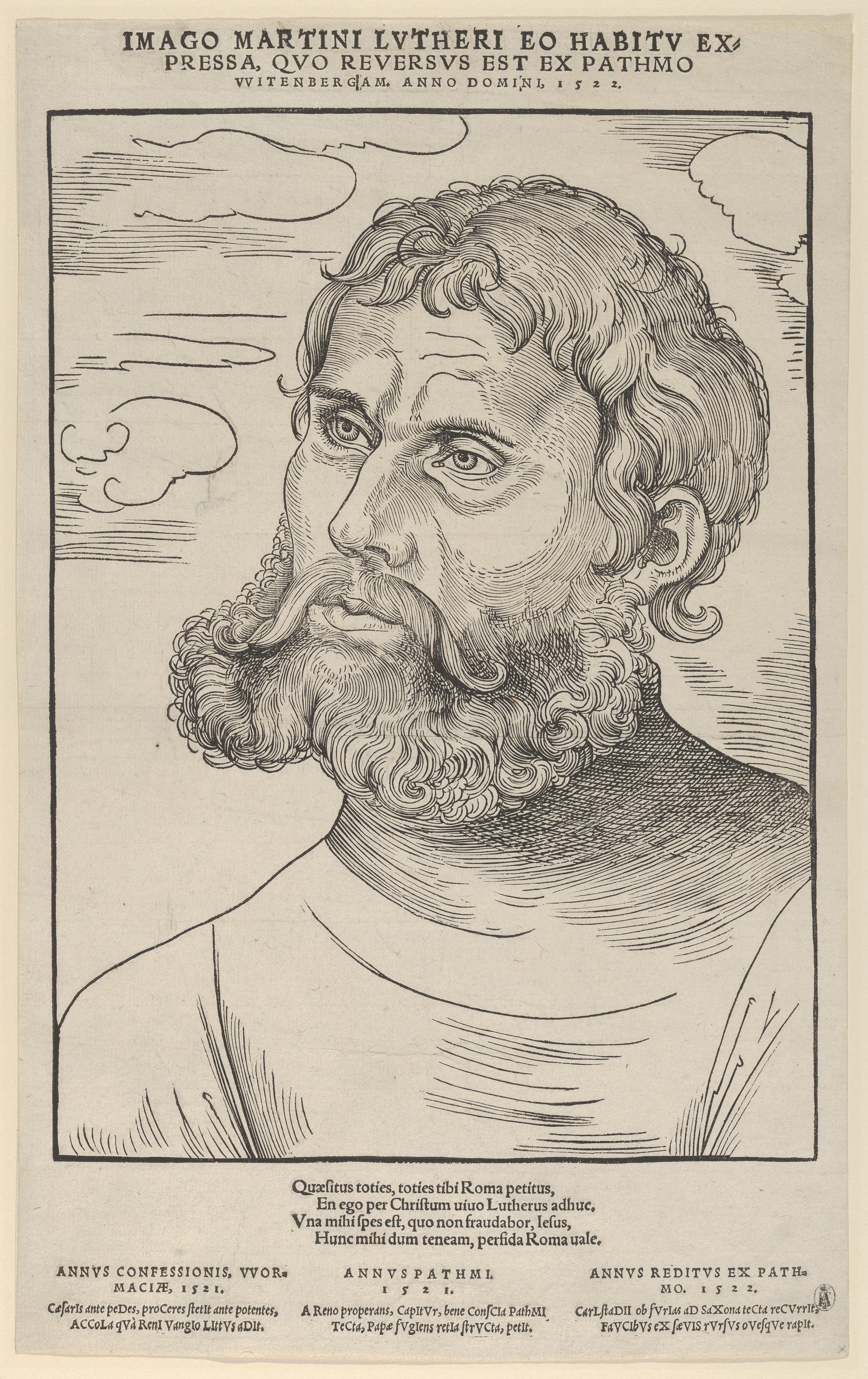
Luther as 'Junker Jorg'
Lucas Cranach the Elder
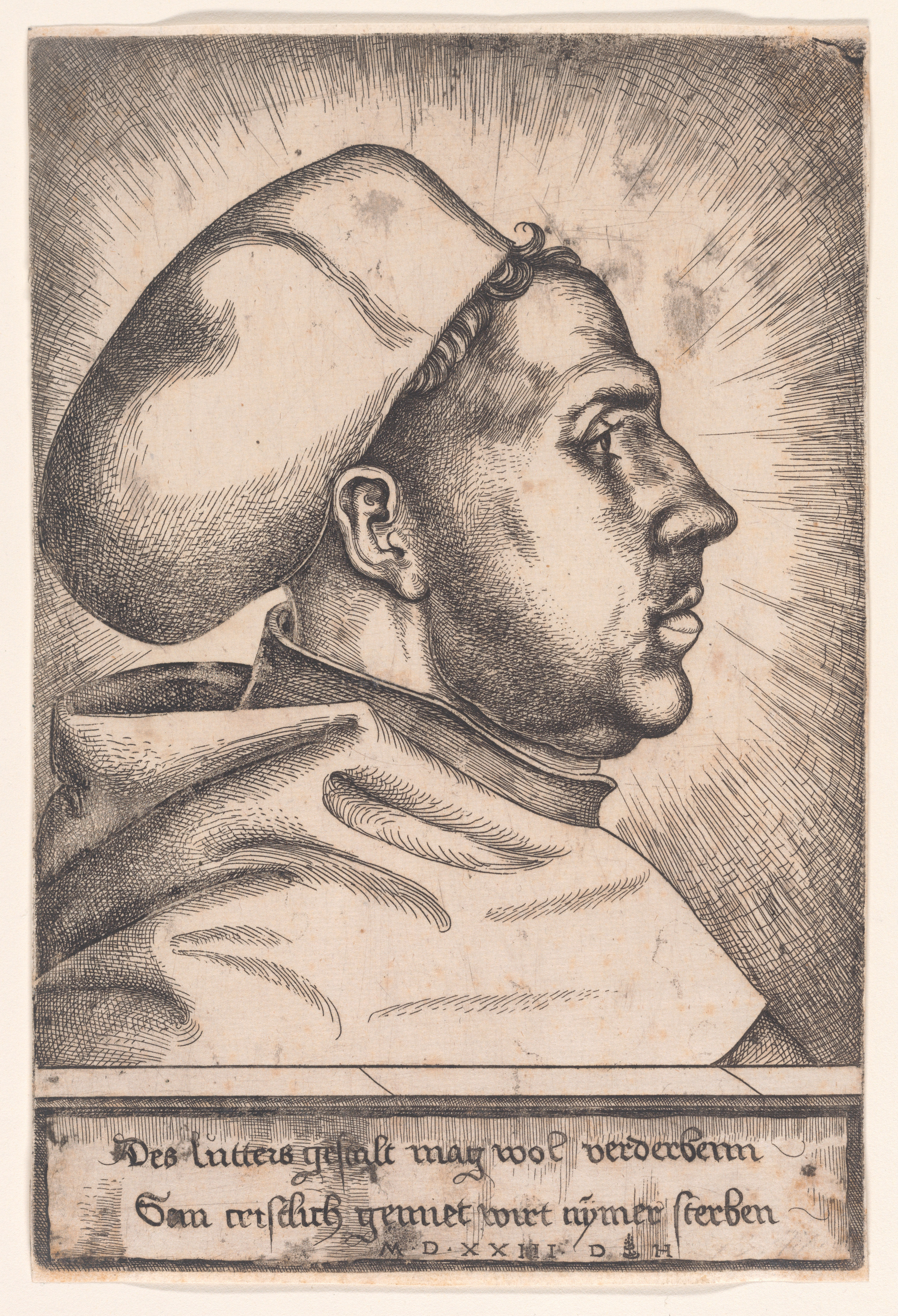
Portrait of Martin Luther
Daniel Hopfer|Lucas Cranach the Elder
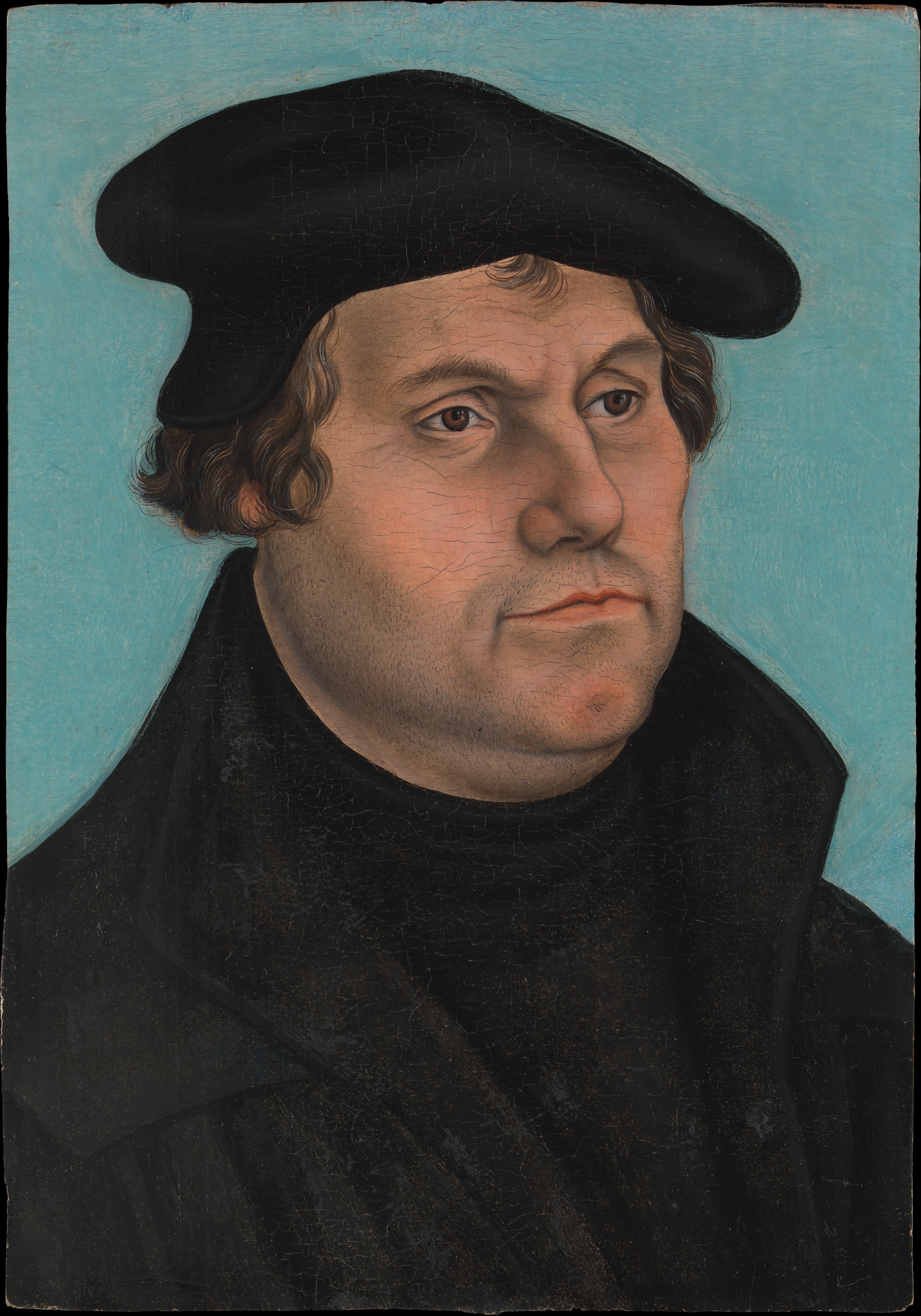
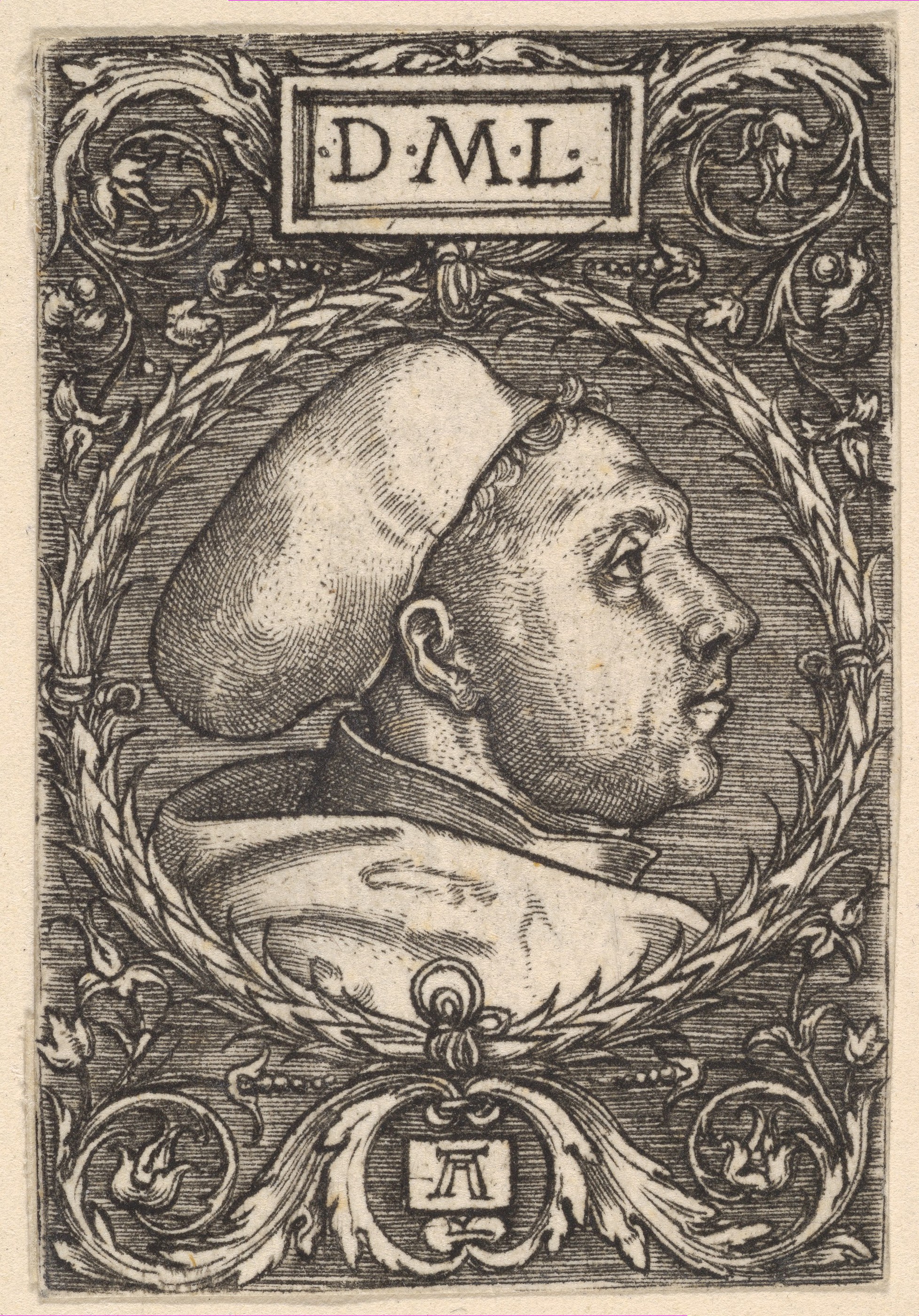
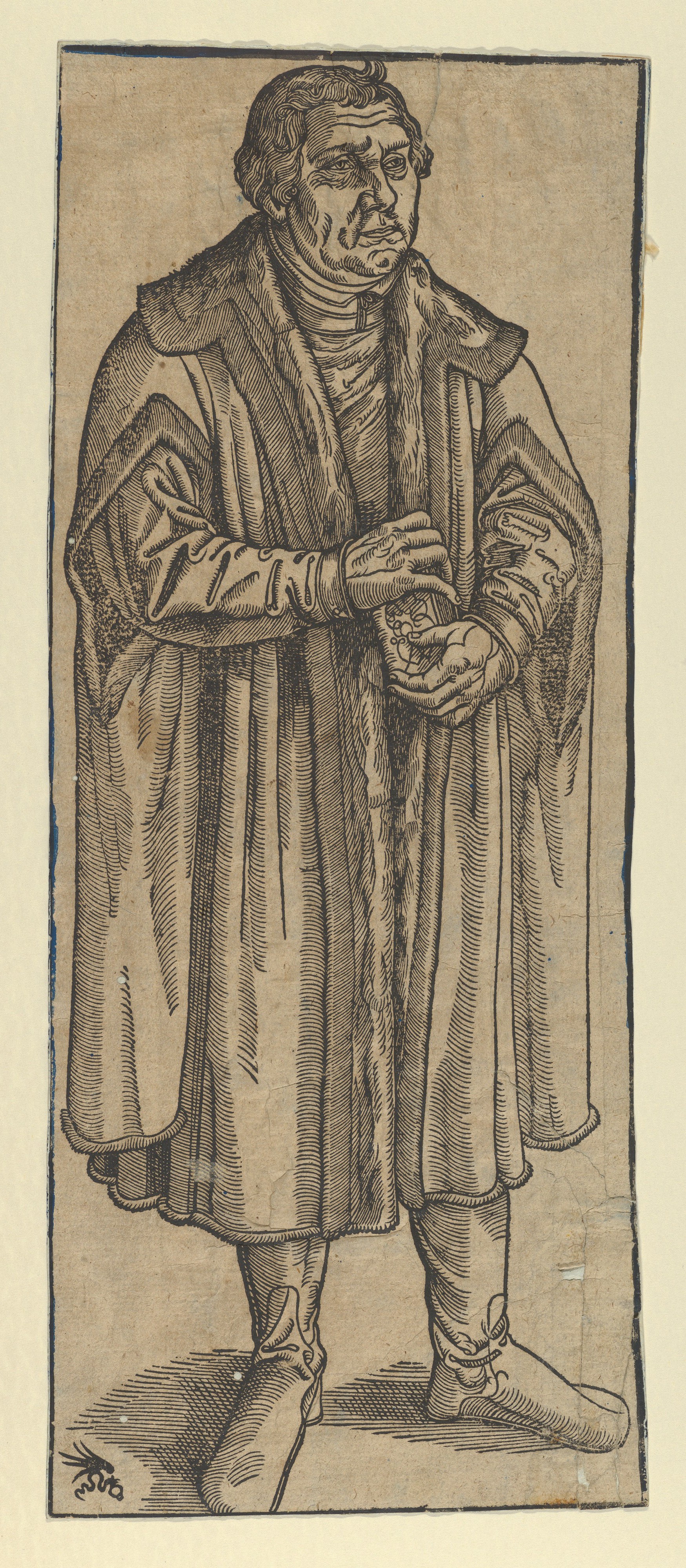
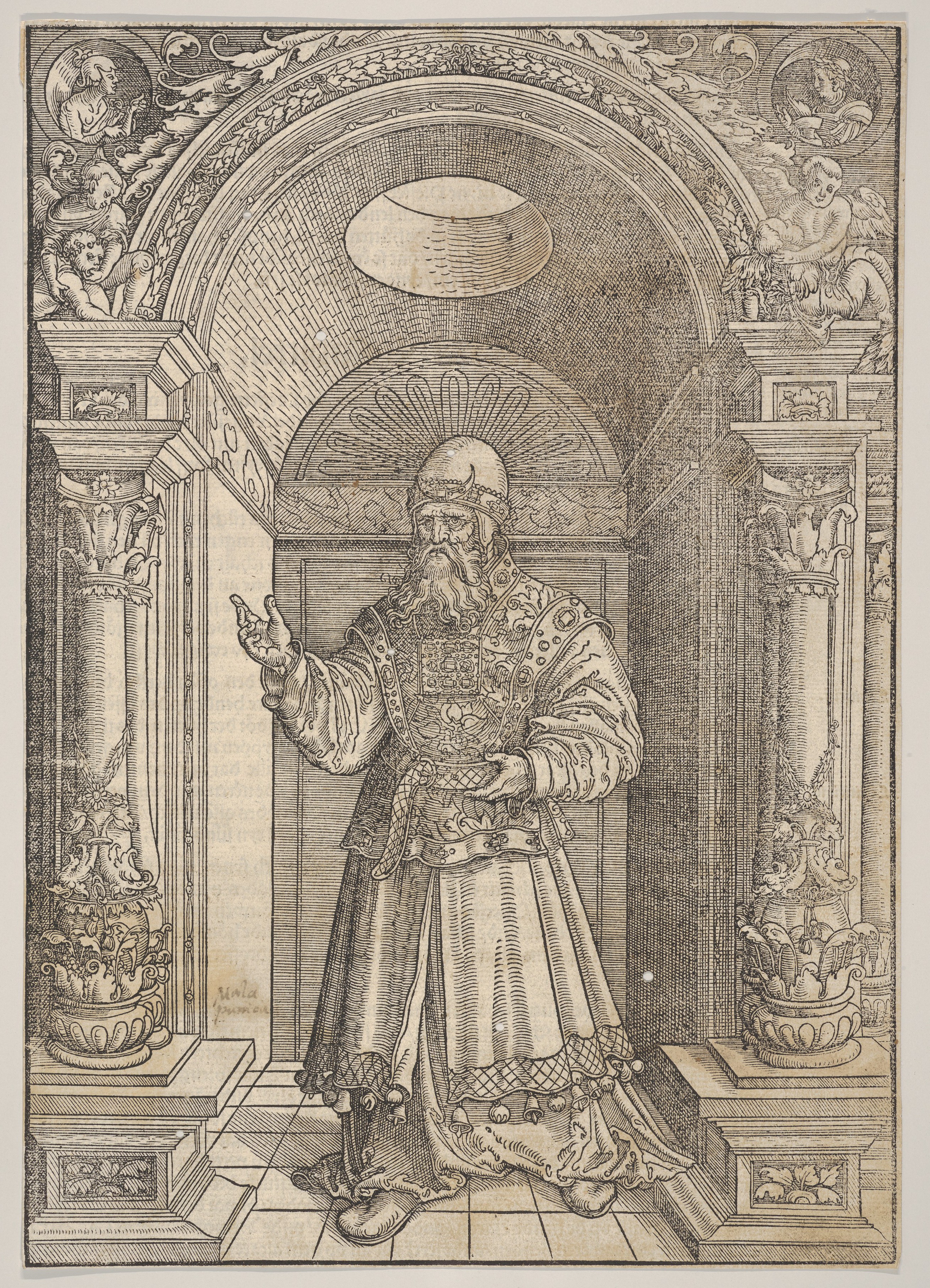
Aaron, from De Biblie uth der uthlegginge Doctoris Martini Luthers
Erhard Altdorfer|Ludwig Dietz|Martin Luther
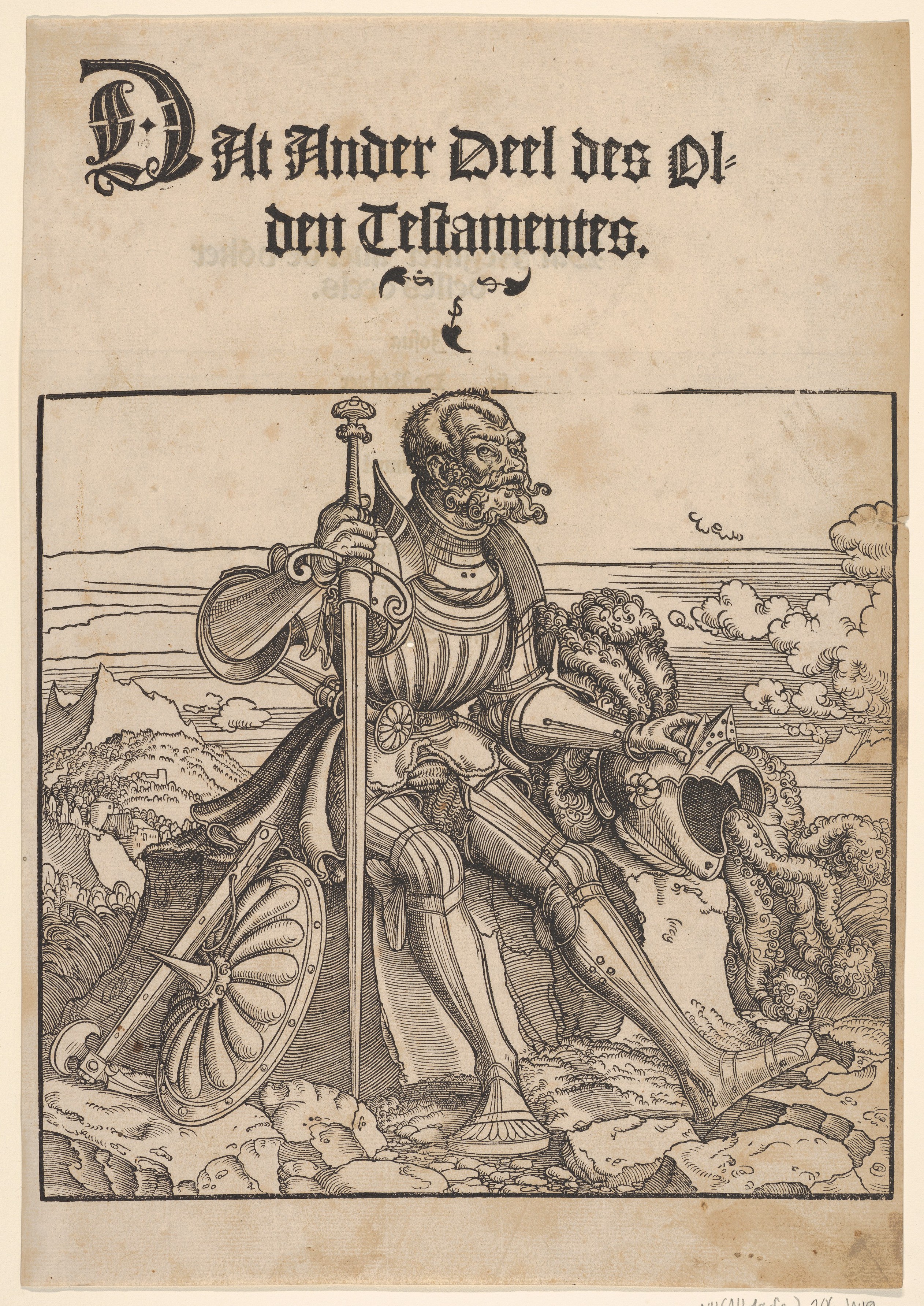
Joshua, from De Biblie uth der uthlegginge Doctoris Martini Luthers
Erhard Altdorfer|Ludwig Dietz|Martin Luther
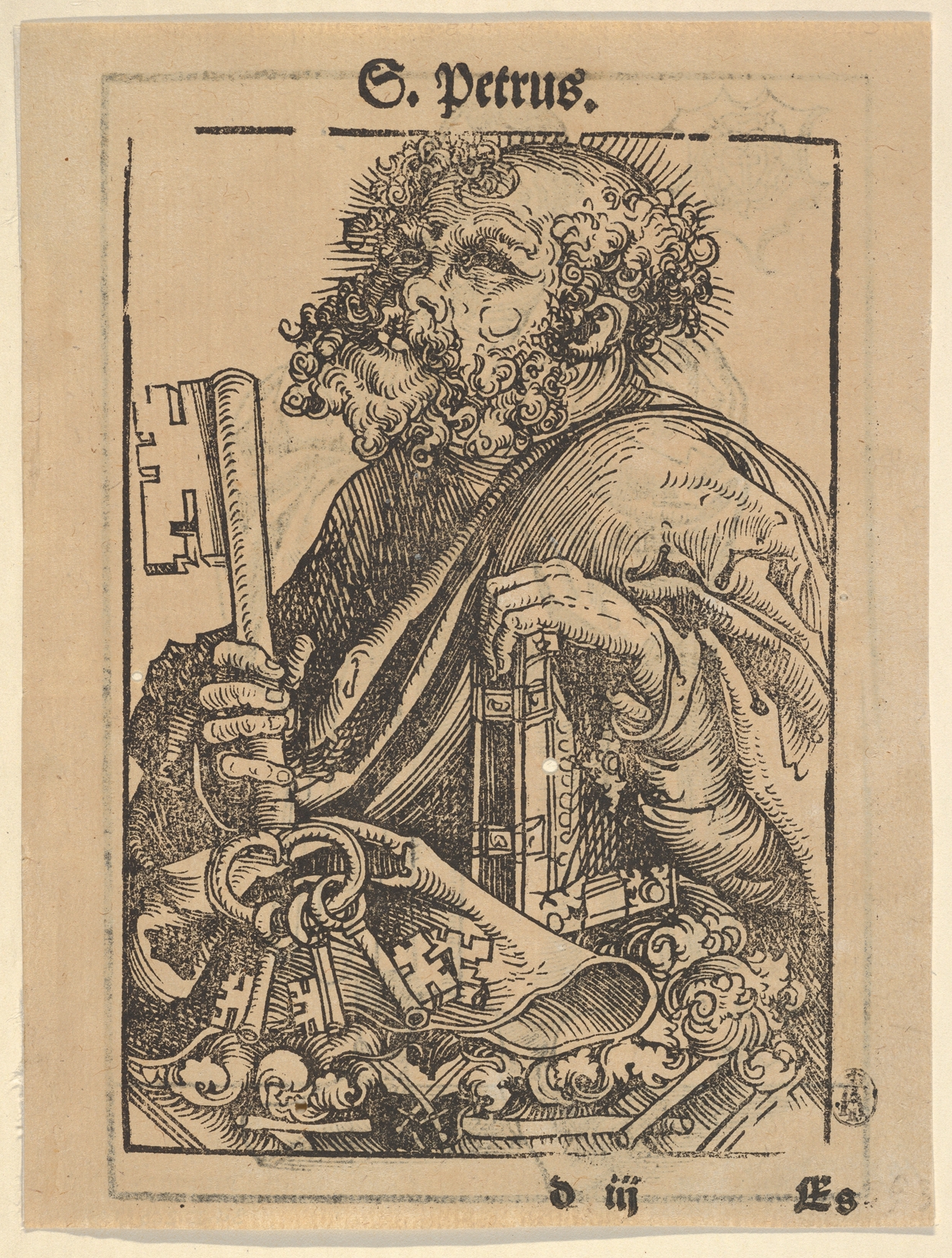
Bust of Saint Peter, from the Large Series of Wittenberg Reliquaries; verso: Martin Luther (1548)
Lucas Cranach the Elder
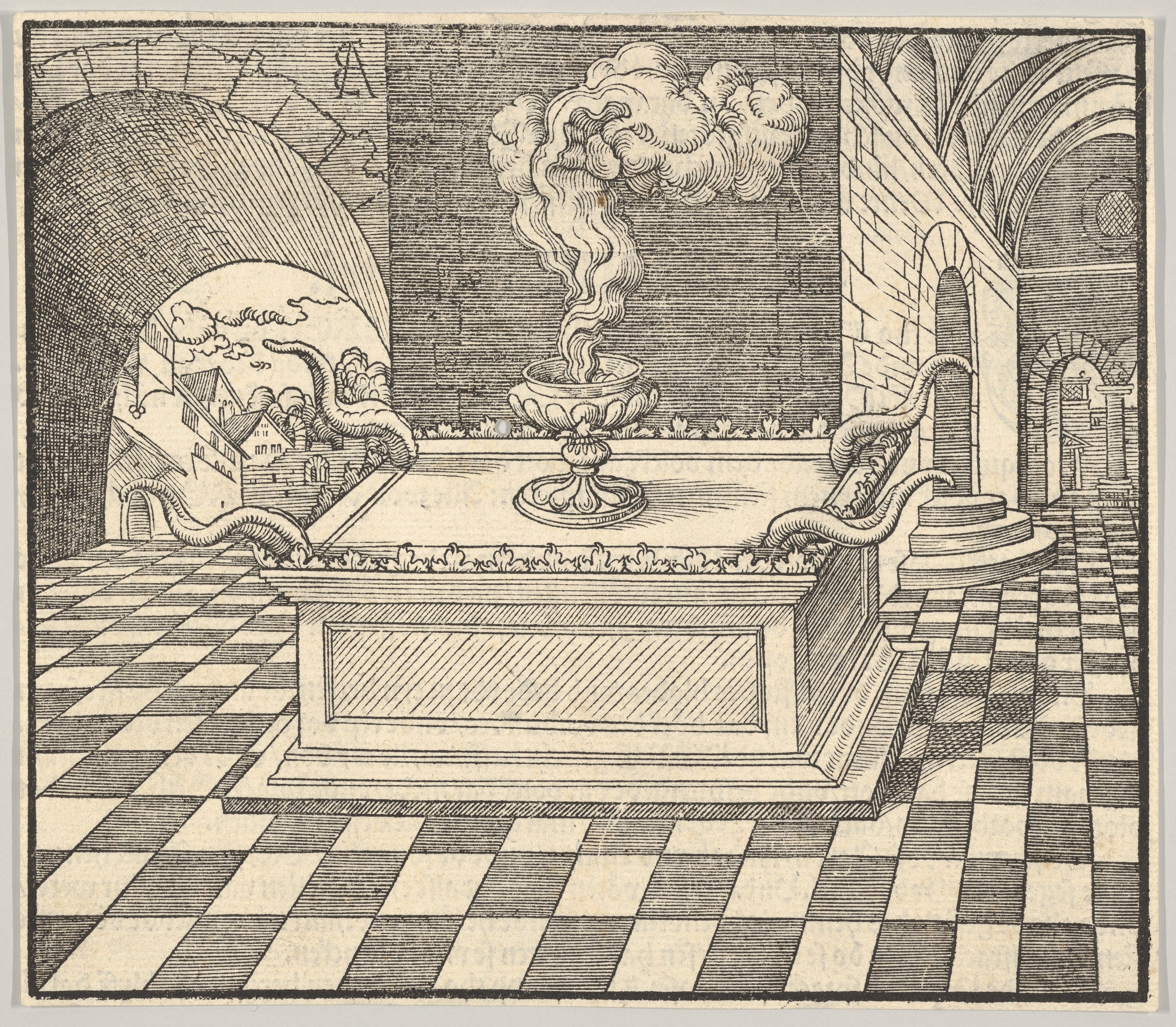
The Altar of Incense, from De Biblie uth der uthlegginge Doctoris Martini Luthers
Erhard Altdorfer|Ludwig Dietz|Martin Luther
More from the Renaissance


Explore what happened on the days that shaped Martin Luther's life. Today In History connects historical figures with the events, births, and deaths that defined their era. Browse all historical figures or explore today's events.