

Historical Figure
Ramesses II
b. 1300 BC
Pharaoh of Egypt from 1279 to 1213 BC
Talk to Ramesses II
Have a conversation with this historical figure through AI
Biography
Ramesses II, commonly known as Ramesses the Great, was the third pharaoh of the Nineteenth Dynasty of Egypt. Ramesses II is regarded as the greatest, most celebrated, and most powerful pharaoh of the New Kingdom, which itself was the most powerful period of ancient Egypt. He is also widely considered one of ancient Egypt's most successful warrior pharaohs, conducting no fewer than 15 military campaigns, all resulting in victories, excluding the Battle of Kadesh, which is generally considered a stalemate. His 66-year rule was also the longest recorded reign of any pharaoh, possibly alongside Pepi II, who lived 1000 years earlier and is said to have reigned for 90 years.
In Their Own Words (5)
On the temples there are a few sparse hairs, but at the poll the hair is quite thick, forming smooth, straight locks about five centimeters in length. White at the time of death, and possibly auburn during life, they have been dyed a light red by the spices (henna) used in embalming ... the moustache and beard are thin. ... The hairs are white, like those of the head and eyebrows ... the skin is of earthy brown, splotched with black ... the face of the mummy gives a fair idea of the face of the living king.
Gaston Maspero, Egyptian Archaeology (1892), pp. 76–77. , 1892
Ten stades from the first tombs, he says, in which, according to tradition, are buried the concubines of Zeus, stands a monument of the king known as Osymandyas. At its entrance there is a pylon, constructed of variegated stone, two plethra in breadth and forty-five cubits high; passing through this one enters a rectangular peristyle, built of stone, four plethra long on each side; it is supported, in place of pillars, by monolithic figures sixteen cubits high, wrought in the ancient manner as to shape; and the entire ceiling, which is two fathoms wide, consists of a single stone, which is highly decorated with stars on a blue field. Beyond this peristyle there is yet another entrance and pylon, in every respect like the one mentioned before, save that it is more richly wrought with every manner of relief; beside the entrance are three statues, each of a single block of black stone from Syene, of which one, that is seated, is the largest of any in Egypt, the foot measuring over seven cubits, while the other two at the knees of this, the one on the right and the other on the left, daughter and mother respectively, are smaller than the one first mentioned. And it is not merely for its size that this work merits approbation, but it is also marvellous by reason of its artistic quality and excellent because of the nature of the stone, since in a block of so great a size there is not a single crack or blemish to be seen. The inscription upon it runs: "King of Kings am I, Osymandyas. If anyone would know how great I am and where I lie, let him surpass one of my works." There is also another statue of his mother standing alone, a monolith twenty cubits high, and it has three diadems on its head, signifying that she was both daughter and wife and mother of a king.
Diodorus Siculus, Bibliotheca Historica, 1. 47. Translated by C. H. Oldfather (1933) , 1933
In Egypt’s sandy silence, all alone, Stands a gigantic Leg, which far off throws The only shadow that the Desert knows:—“I am great OZYMANDIAS,” saith the stone, “The King of Kings; this mighty City showsThe wonders of my hand.”—The City’s gone,— Naught but the Leg remaining to discloseThe site of this forgotten Babylon.We wonder,—and some Hunter may expressWonder like ours, when thro’ the wilderness Where London stood, holding the Wolf in chace,He meets some fragment huge, and stops to guess What powerful but unrecorded race Once dwelt in that annihilated place.
Horace Smith, The Examiner (1 February 1818); "On A Stupendous Leg of Granite, Discovered Standing by Itself in the Deserts of Egypt, with the Inscription Inserted Below", Amarynthus, &c. (1821) , 1821
Sesostris was the only Egyptian king who also ruled Ethiopia. To commemorate his name, he set before the temple of Hephaestus two stone statues of himself and his wife, each thirty cubits high, and statues of his four sons, each of twenty cubits. Long afterwards Darius the Persian would have set up his statue before these; but the priest of Hephaestus forbade him, saying that he had achieved nothing equal to the deeds of Sesostris the Egyptian; for Sesostris (he said) had subdued the Scythians, besides as many other nations as Darius had conquered, and Darius had not been able to overcome the Scythians; therefore it was not just that Darius should set his statue before the statues of Sesostris, whose achievements he had not equalled. Darius, it is said, let the priest have his way.
Herodotus, Histories 2. 102, 103, 107, 109, 110. Translated by A. D. Godley (1922–1925) , 1922
I met a traveller from an antique landWho said: Two vast and trunkless legs of stoneStand in the desert . . . near them, on the sand,Half sunk, a shattered visage lies, whose frown,And wrinkled lip, and sneer of cold command,Tell that its sculptor well those passions readWhich yet survive, stamped on these lifeless things,The hand that mocked them and the heart that fed;And on the pedestal these words appear:‘My name is Ozymandias, king of kings;Look on my works, ye Mighty, and despair!’Nothing beside remains. Round the decayOf that colossal wreck, boundless and bareThe lone and level sands stretch far away.
P. B. Shelley, "Ozymandias", The Examiner (11 January 1818) , 1818
Timeline
The story of Ramesses II, told in moments.
Born into the Nineteenth Dynasty. Not born a prince. His grandfather Ramesses I was a vizier who got appointed pharaoh. His father Seti I names him prince regent at about 14. He grows up in a palace that's still earning its legitimacy.
Fights the Battle of Kadesh against the Hittites in modern Syria. It's the largest chariot battle ever fought. 5,000 chariots on both sides. He nearly dies when his division is ambushed. Rallies his men. The result is a stalemate, but the inscriptions on his temple walls tell a different story.
Signs a peace treaty with Hittite king Hattusili III. The oldest known peace treaty between two empires. A copy hangs in the United Nations headquarters in New York. It holds for the rest of both their reigns.
Completes the Great Temple at Abu Simbel. Four statues of himself, each 66 feet tall, carved into the cliff face. Inside, twice a year on February 22 and October 22, sunlight reaches through the temple to illuminate the statues of the gods in the inner sanctuary. Three thousand years later, it still works.
Dies around age 90. He's outlived many of his approximately 100 children. His mummy shows arthritis, dental abscesses, and hardened arteries. He reigned 66 years. Possibly the longest reign of any pharaoh. The priests moved his body twice to protect it from tomb robbers.
His mummy is discovered in the Royal Cache at Deir el-Bahri, where priests had hidden it 3,000 years earlier. In 1974, the mummy is issued an Egyptian passport to fly to Paris for conservation. Occupation listed: King (deceased).
Artifacts (12)

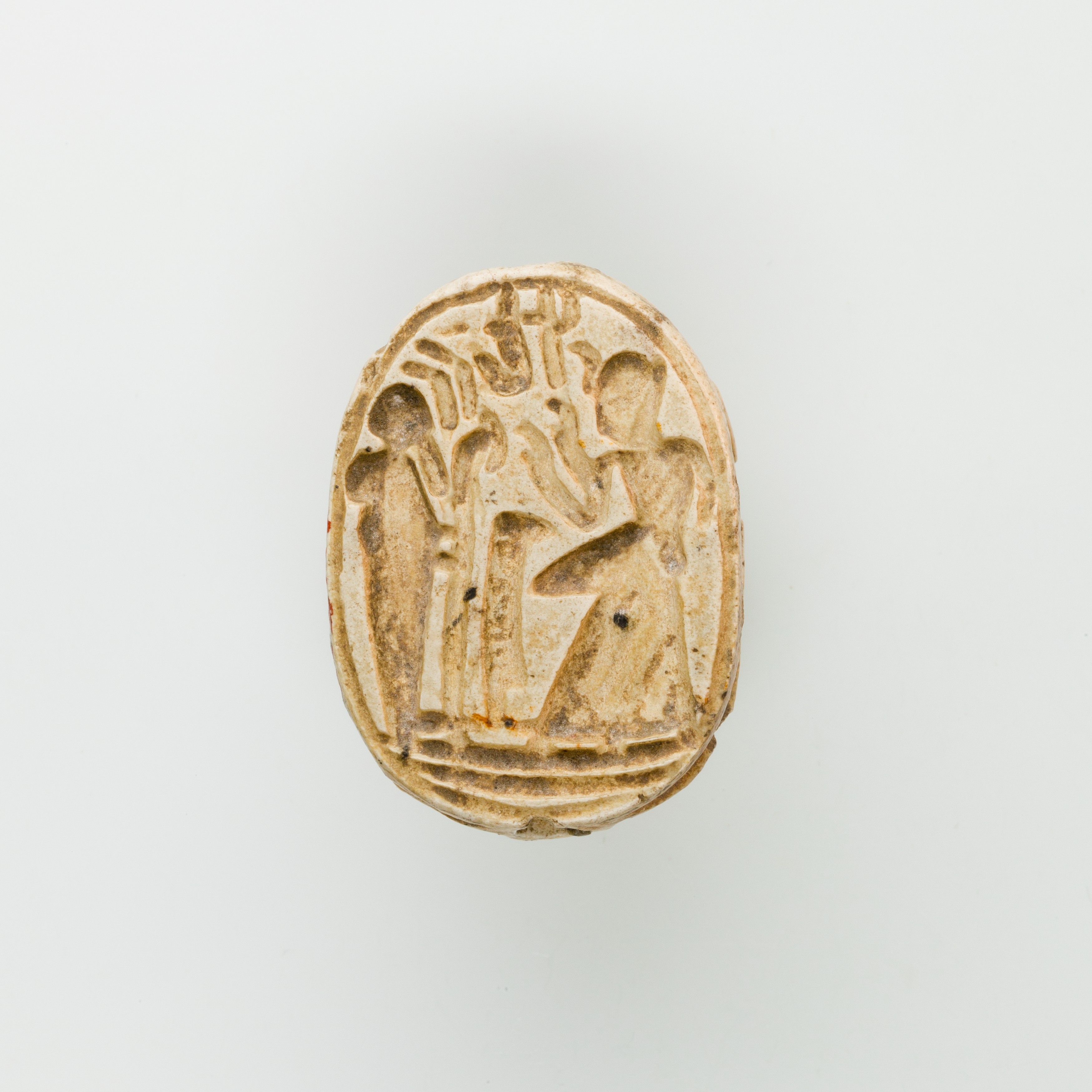
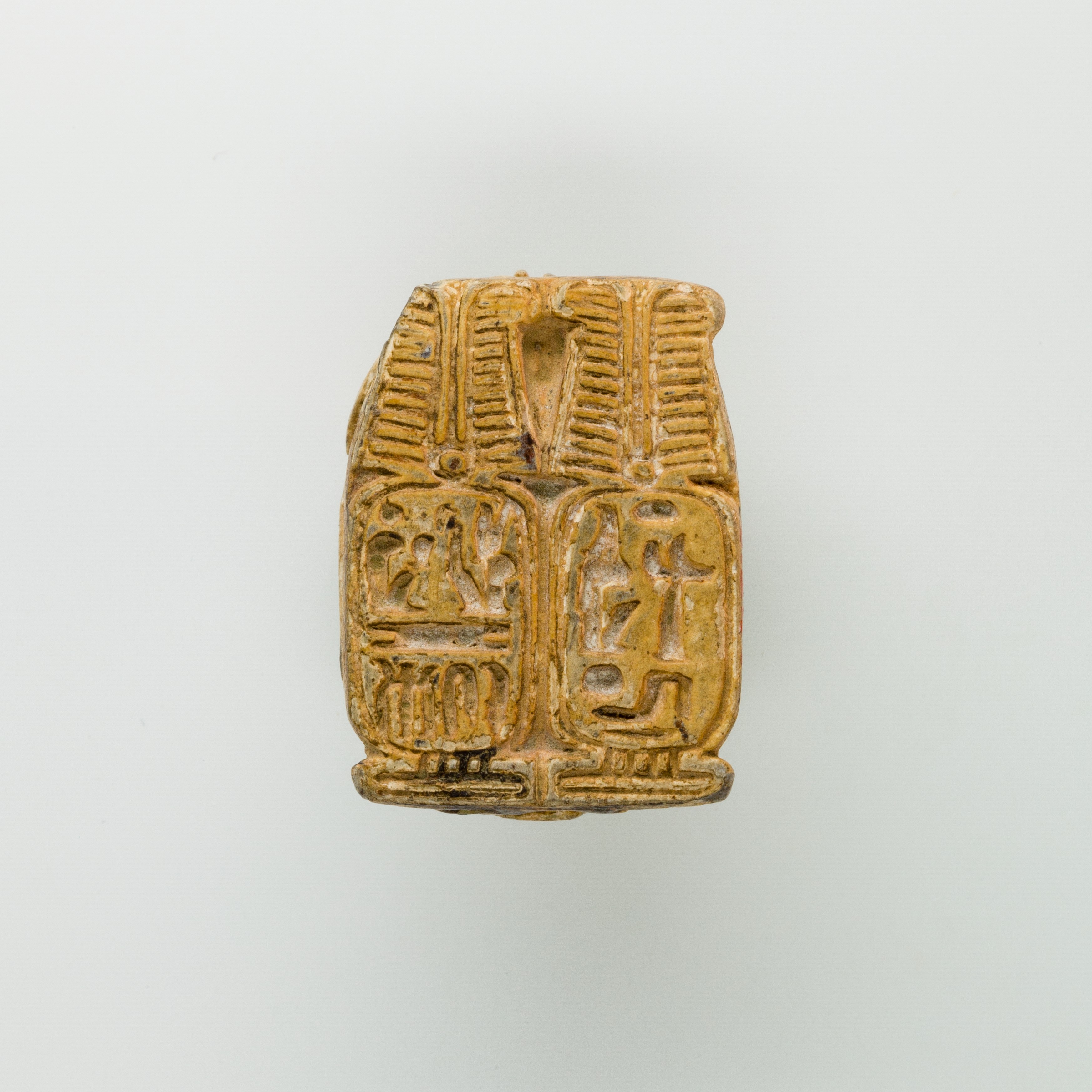
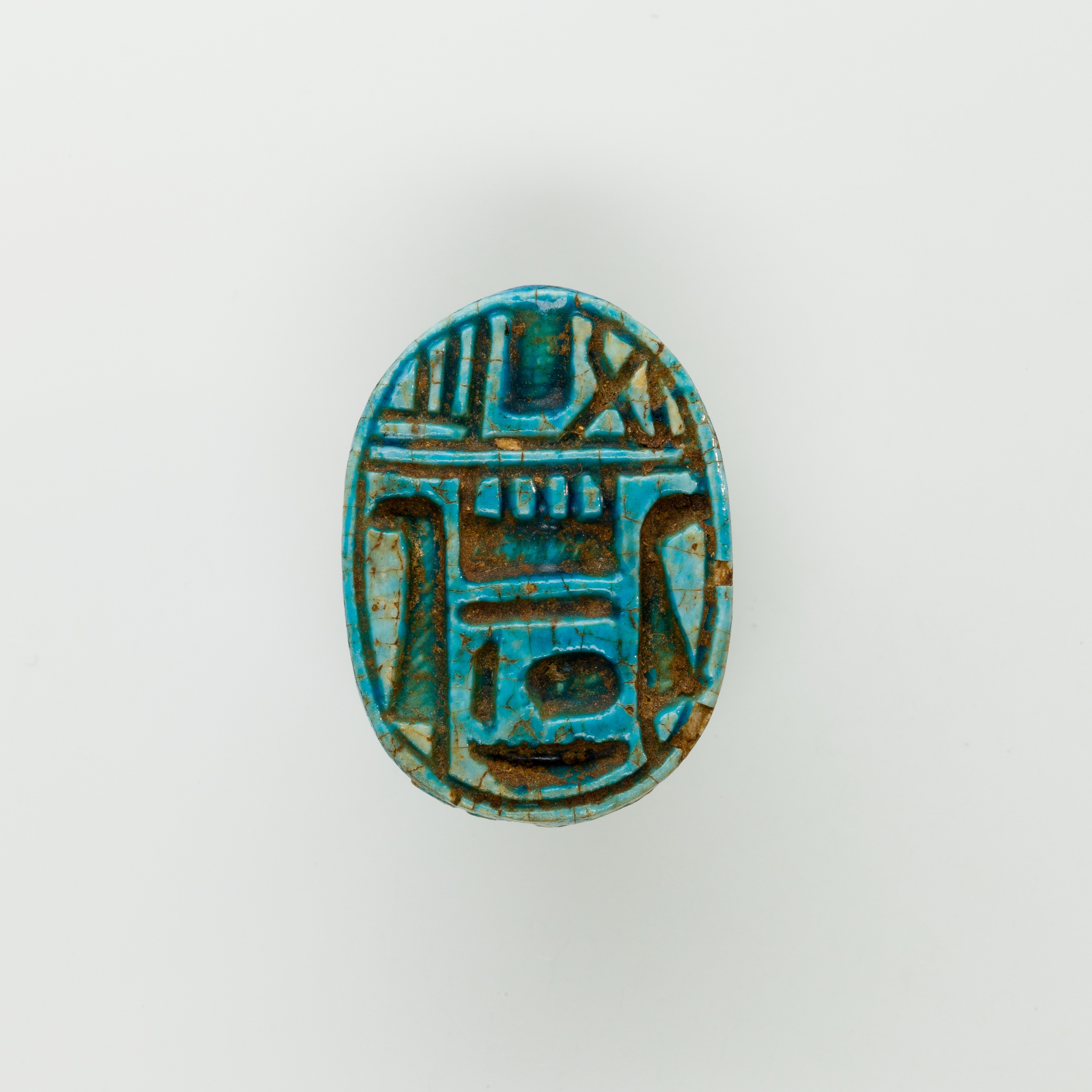
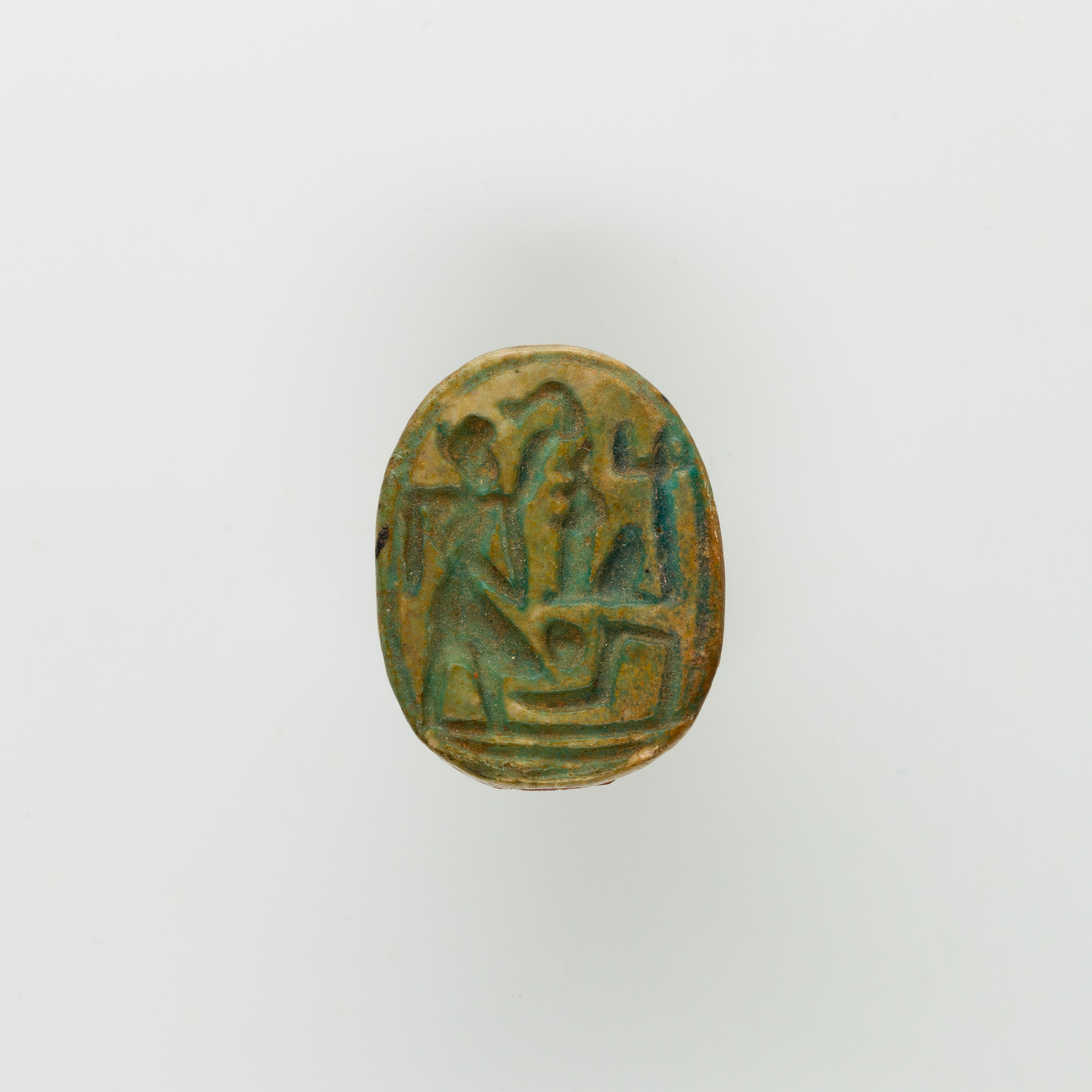
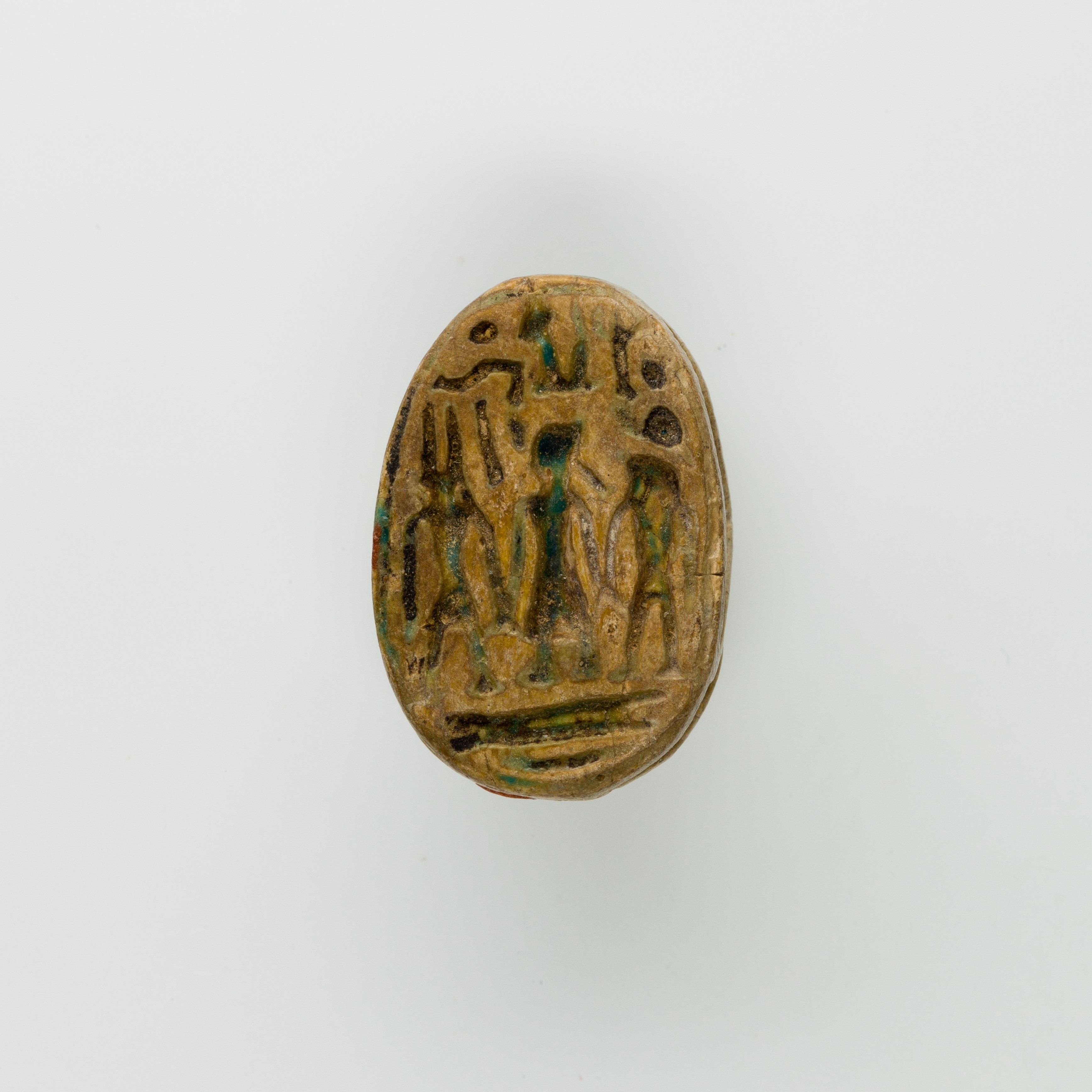
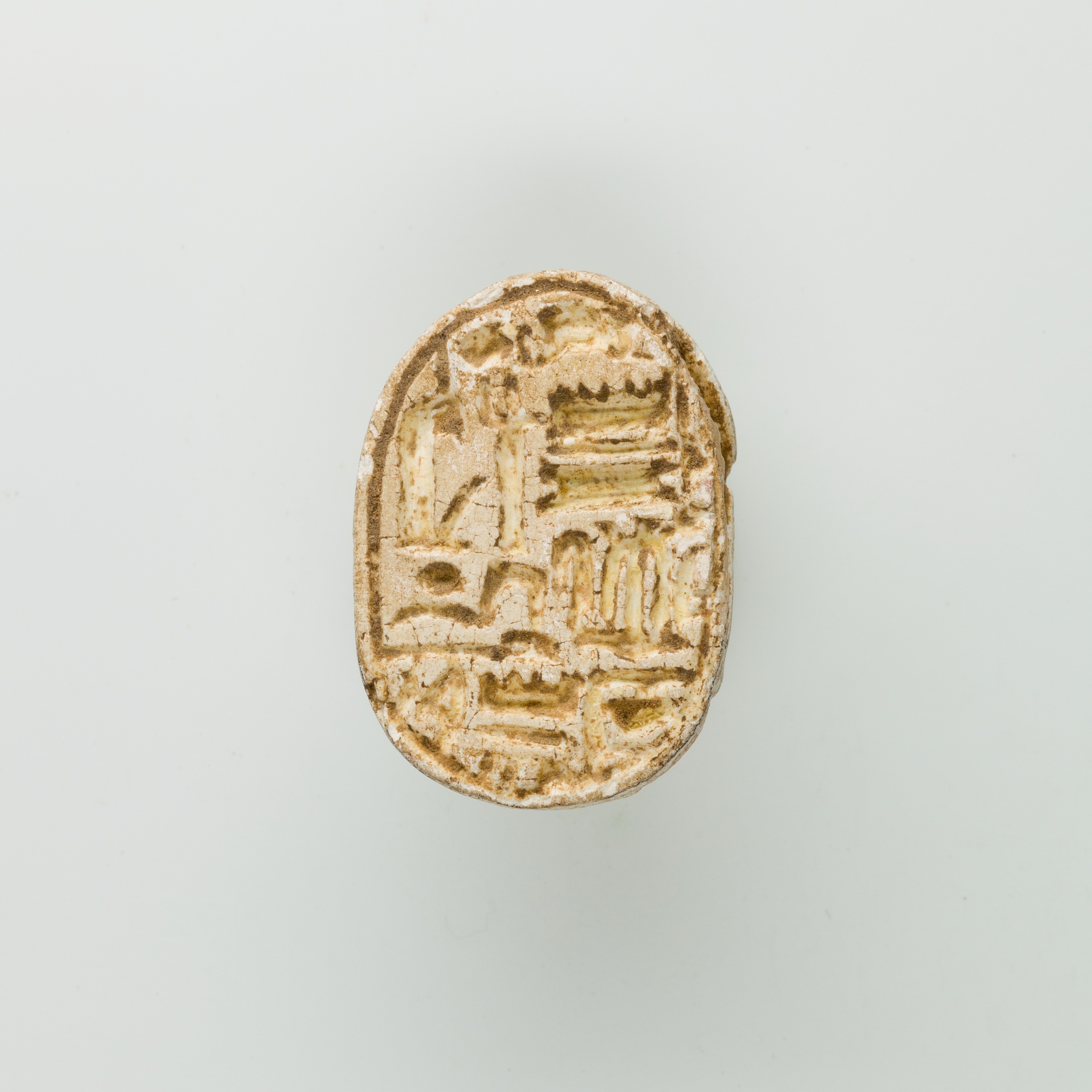
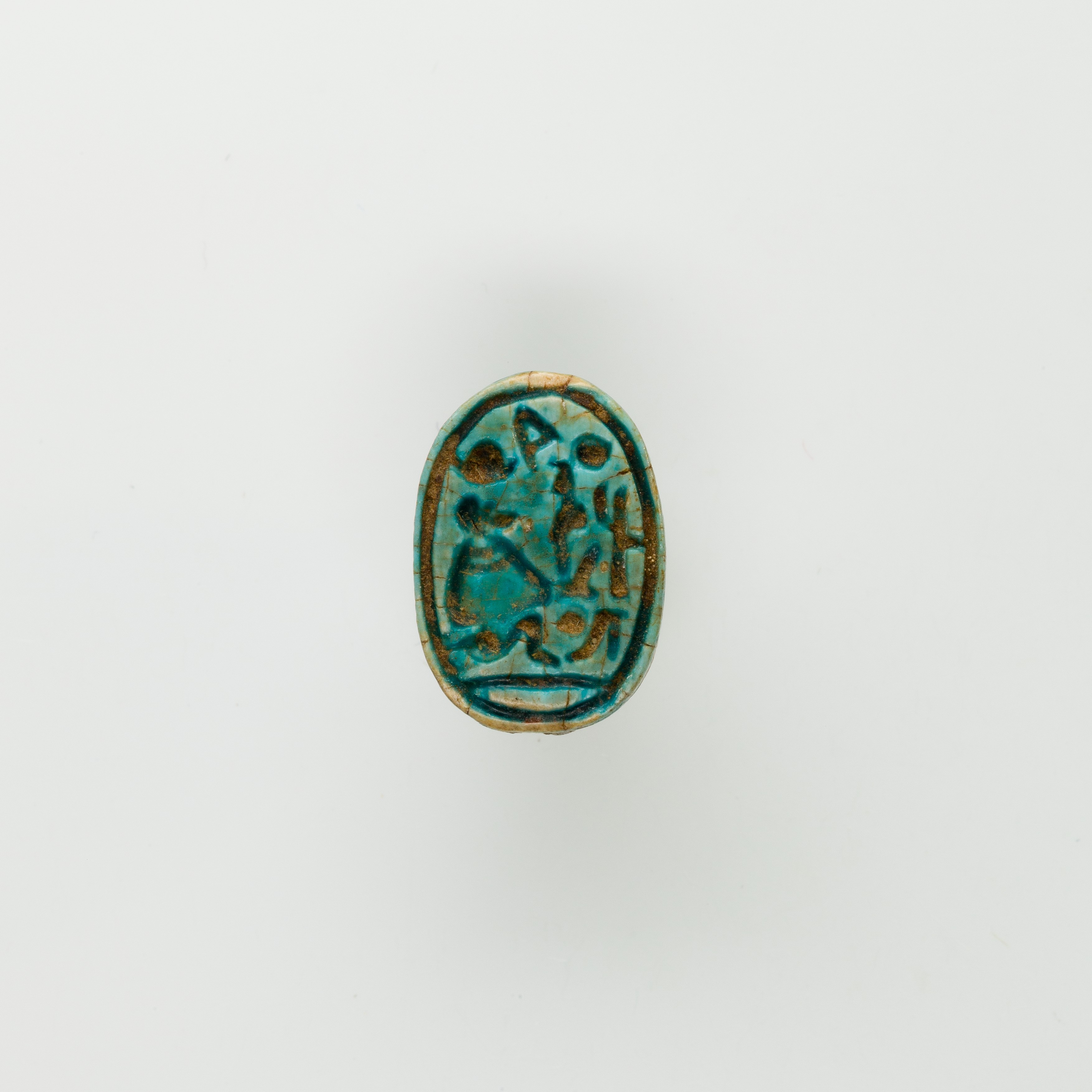
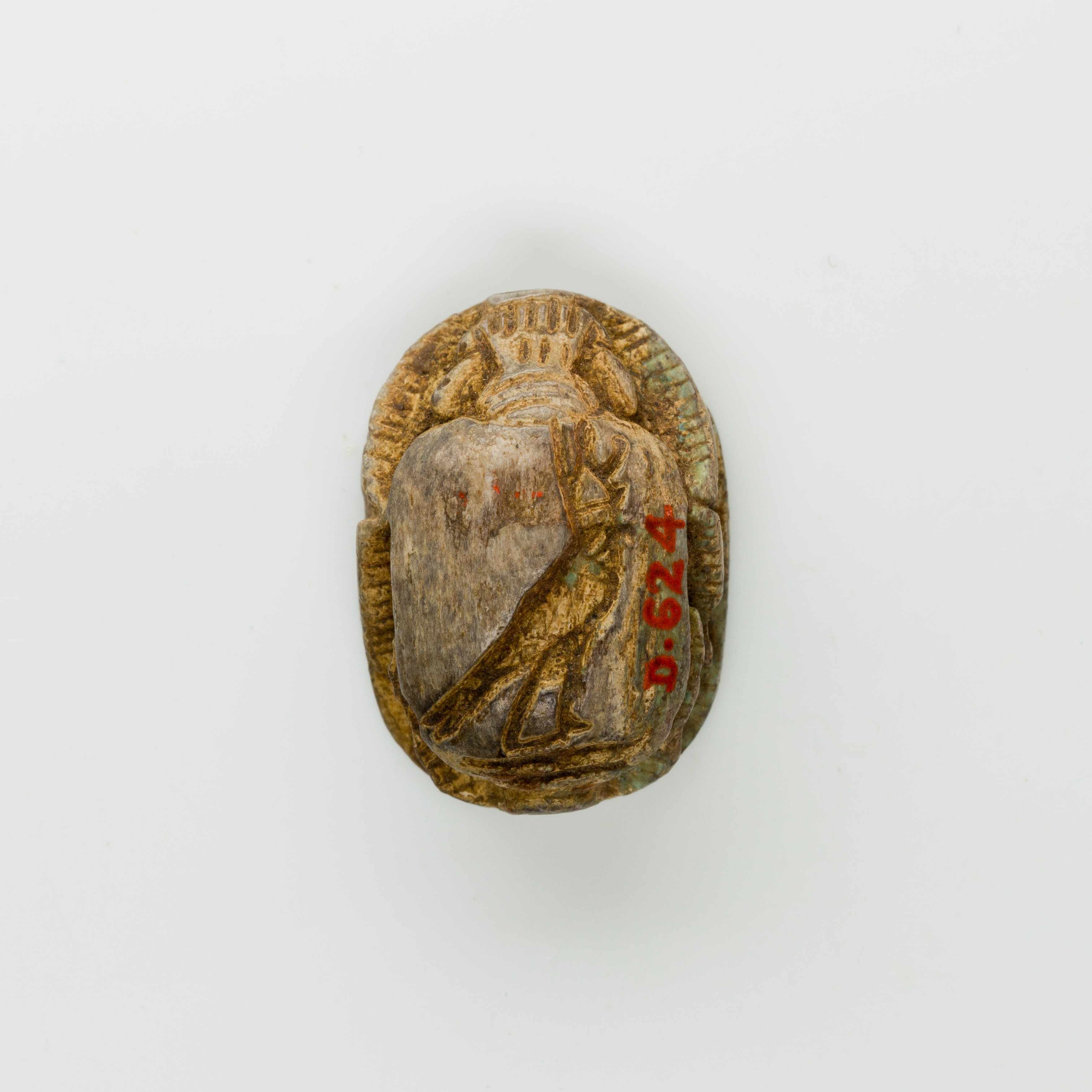
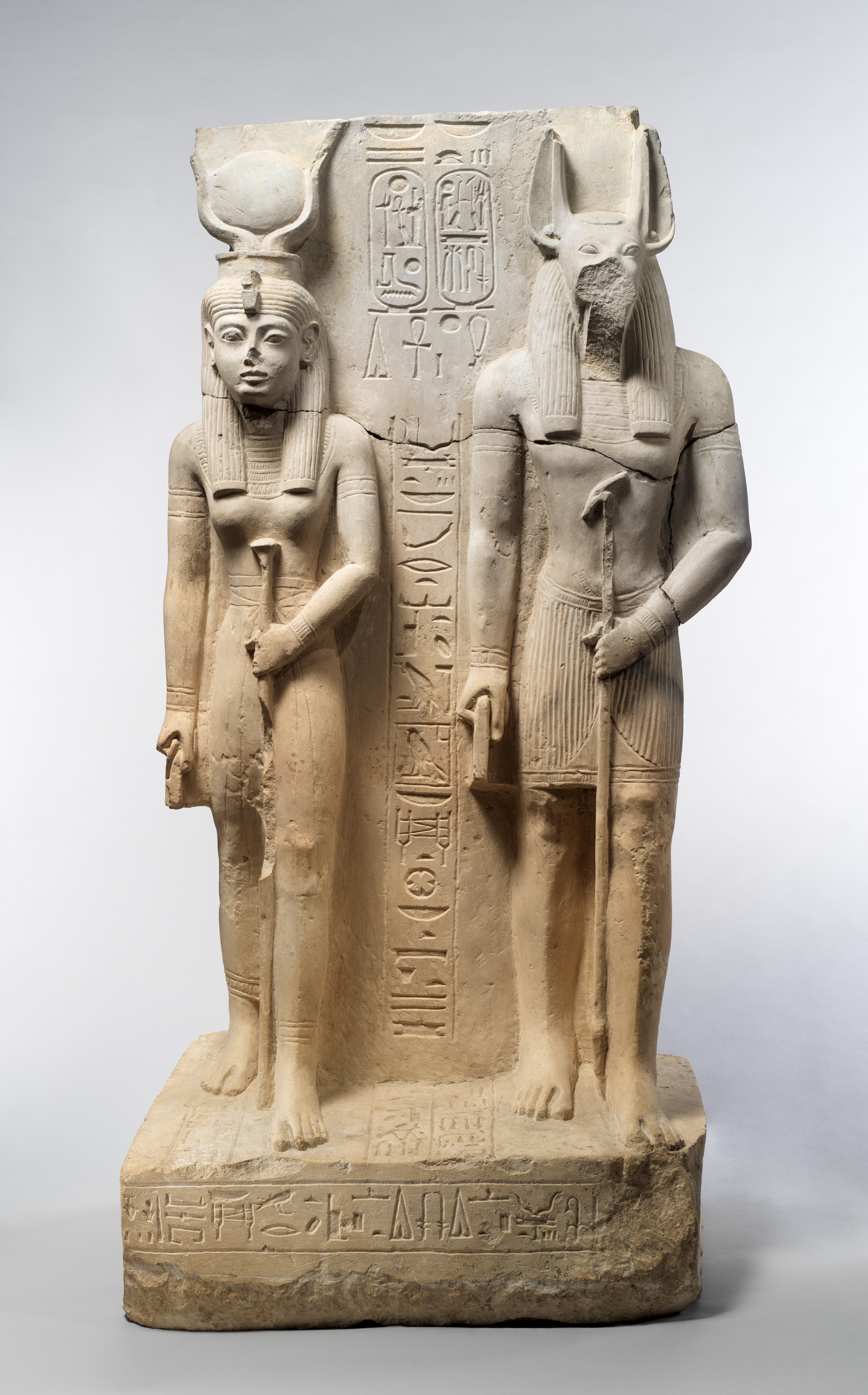
Isis and Wepwawet, god of Asyut, with the name of Siese, Overseer of the Two Granaries of Ramesses II
More from the Ancient


Explore what happened on the days that shaped Ramesses II's life. Today In History connects historical figures with the events, births, and deaths that defined their era. Browse all historical figures or explore today's events.