

Historical Figure
Saint Francis of Assisi
1181–1226
Italian Catholic saint (c. 1181–1226)
Talk to Saint Francis of Assisi
Have a conversation with this historical figure through AI
Biography
Giovanni di Pietro di Bernardone, known as Francis of Assisi, was an Italian mystic, poet and Catholic friar who founded the religious order of the Franciscans. Inspired to lead a Christian life of poverty, he became a beggar and an itinerant preacher.
In Their Own Words (5)
Such was the will of the Father that his Son, blessed and glorious, whom he gave to us, and who was born for us, should by his own blood, sacrifice, and oblation, offer himself on the altar of the cross, not for himself, by whom "all things were made," but for our sins, leaving us an example that we should follow his steps.
Letter to all the Faithful
All those men and women … who in their body serve the world through the desires of the flesh, the concerns of the world and the cares of this life: They are held captive by the devil, whose children they are, and whose works they do.
“Earlier Exhortation to the Brothers and Sisters of Penance,” Francis of Assisi: Early Documents, Volume 1, p. 43.
Where there is charity and wisdom, there is neither fear nor ignorance. Where there is patience and humility, there is neither anger nor vexation. Where there is poverty and joy, there is neither greed nor avarice. Where there is peace and meditation, there is neither anxiety nor doubt.
The Counsels of the Holy Father St. Francis, Admonition 27.
We must not be wise and prudent according to the flesh, but, instead, we must be simple, humble and pure.
“Later Admonition and Exhortation to the Brothers and Sisters of Penance,” Francis of Assisi: Early Documents, Volume 1, p. 48.
Let every man abide in the art or employment wherein he was called. And for their labor they may receive all necessary things, except money. ... Let none of the brothers, wherever he may be or whithersoever he may go, carry or receive money or coin in any manner, or cause it to be received, either for clothing, or for books, or as the price of any labor, or indeed for any reason, except on account of the manifest necessity of the sick brothers. For we ought not to have more use and esteem of money and coin than of stones. And the devil seeks to blind those who desire or value it more than stones. Let us therefore take care lest after having left all things we lose the kingdom of heaven for such a trifle. And if we should chance to find money in any place, let us no more regard it than the dust we tread under our feet.
Timeline
The story of Saint Francis of Assisi, told in moments.
Born Giovanni di Pietro di Bernardone in Assisi, Umbria. His father Pietro is a wealthy silk merchant who trades with France. He nicknames his son Francesco, "the Frenchman." Francis grows up privileged, restless, and popular. He spends lavishly on parties and fine clothes.
Captured during a border war between Assisi and Perugia and held prisoner for a year. He falls seriously ill in captivity. When he returns home, something has shifted. He spends months in solitude. The parties stop.
His father drags him before the bishop of Assisi to reclaim money Francis has been giving to churches. In the town square, Francis strips naked, returns his clothes to his father, and declares God is his only father now. The bishop covers him with a cloak. Francis walks into the woods barefoot in winter.
Walks to Rome with eleven companions to seek approval from Pope Innocent III for a new religious order based on radical poverty. The Pope is skeptical. According to legend, he dreams that night of a poor man in rags holding up the collapsing Lateran Basilica. He approves the order. The Franciscans begin.
Crosses enemy lines during the Fifth Crusade and walks into the camp of Sultan al-Kamil of Egypt. He wants to convert the sultan. He fails. But the sultan is impressed and lets him preach, then sends him home with gifts and safe passage. Two armies are at war and a barefoot monk walks between them talking about peace.
Creates the first live nativity scene in a cave near Greccio. Real animals, real straw, real fire. He wants people to see and smell and feel the poverty of Bethlehem, not just hear about it in Latin they don't understand. The tradition spreads across Europe.
Composes the Canticle of the Sun while nearly blind and in constant pain. It praises Brother Sun, Sister Moon, Sister Water, Brother Fire. Written in Umbrian Italian, not Latin. One of the first great poems in the Italian language.
Dies at the Portiuncula, a small chapel near Assisi. He is 44 or 45. Nearly blind, in constant pain, his body wrecked by years of fasting and exposure. He asks to be laid naked on the bare ground to die as he lived. He dictates a final blessing and sings Psalm 142. His followers report larks circling the roof at the moment of death.
Show full timeline (11 entries)
While praying on Mount La Verna, Francis receives the stigmata. Wounds appear on his hands, feet, and side, matching the crucifixion wounds of Christ. He is the first recorded person to bear them. He tries to hide them for the remaining two years of his life.
Canonized by Pope Gregory IX, less than two years after his death. One of the fastest canonizations in Church history. The Basilica of San Francesco d'Assisi is begun immediately. A church built to honor a man who wanted no churches.
Jorge Mario Bergoglio of Argentina is elected pope and takes the name Francis. First pope to choose this name. First Jesuit pope. He says he chose the name because of Francis of Assisi's dedication to the poor. The connection is immediate and deliberate.
Artifacts (12)
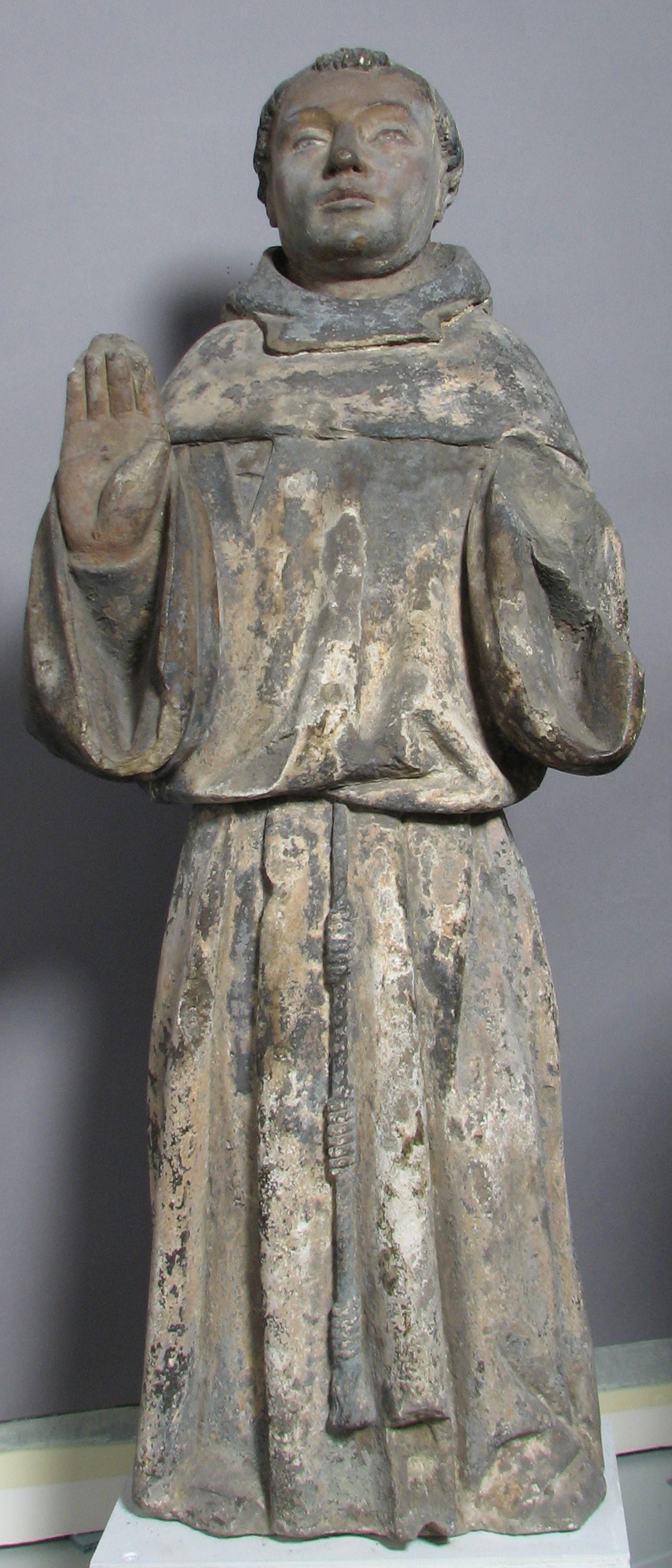
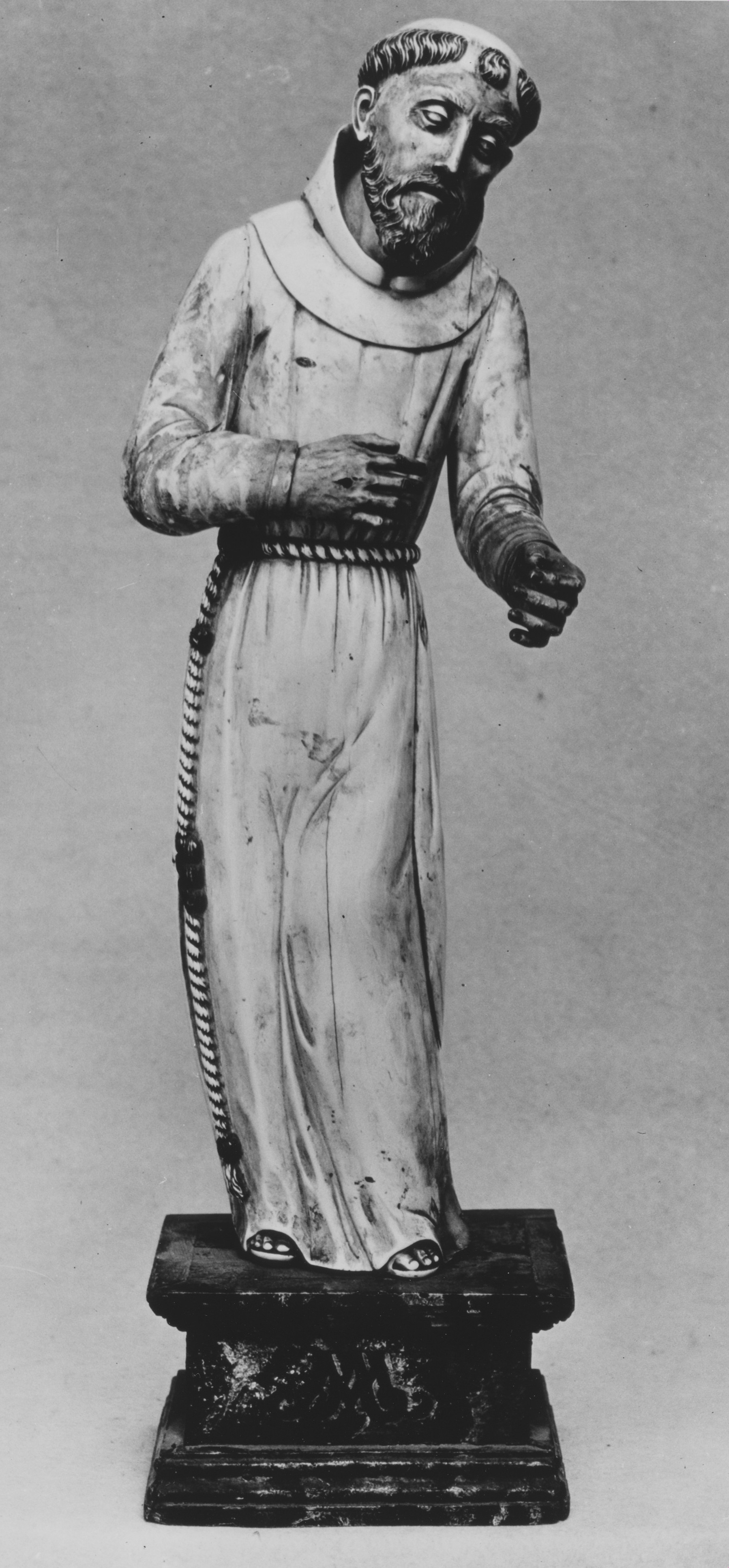
Saint Francis of Assisi
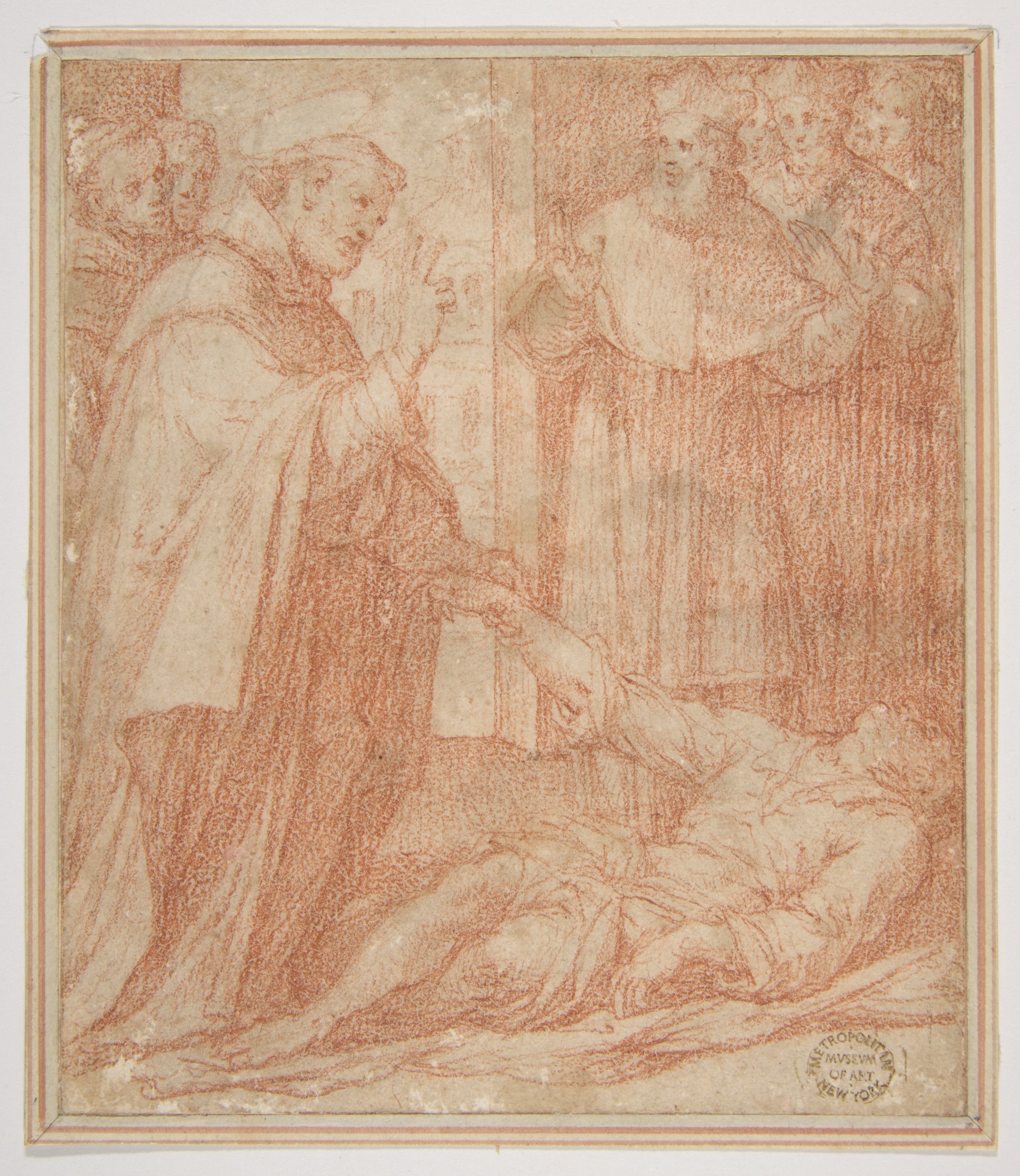
Saint Francis of Assisi Resuscitating a Dead Youth
Camillo Procaccini
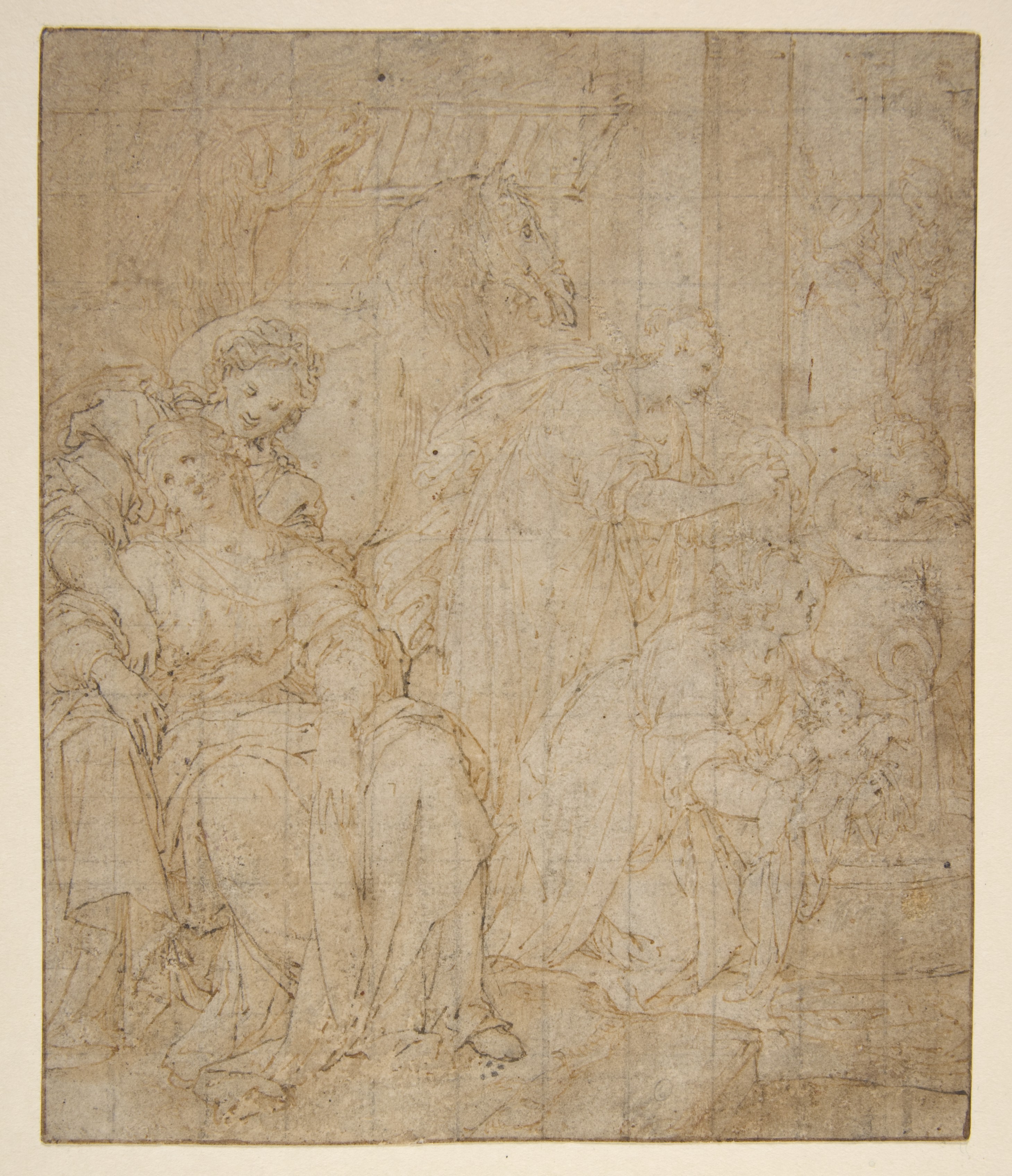
The Birth of Saint Francis of Assisi
Camillo Procaccini
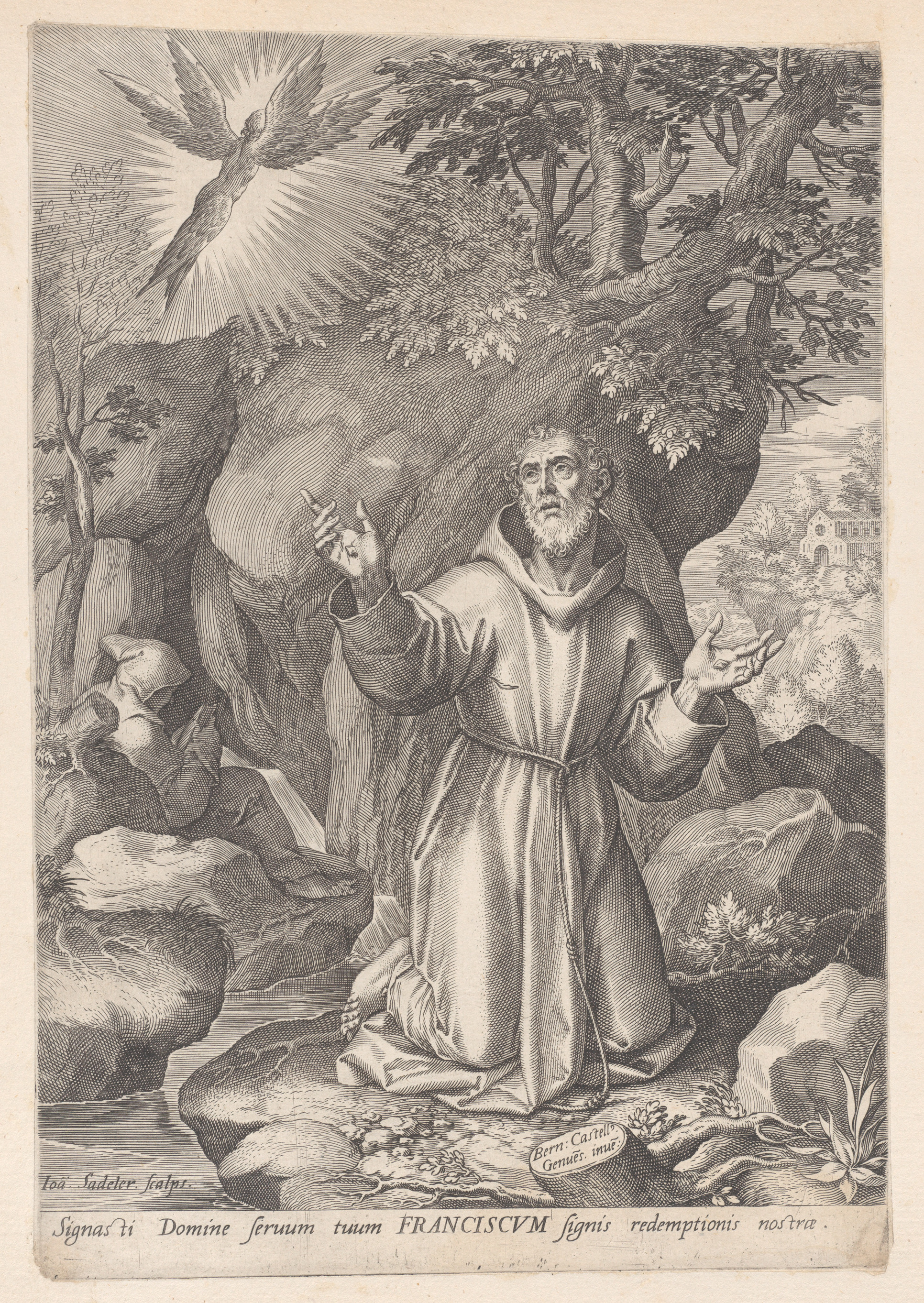
Saint Francis of Assisi receiving the stigmata
Johann Sadeler I|Bernardo Castello

Saint Francis of Assisi
Antoniazzo Romano (Antonio di Benedetto Aquilio)
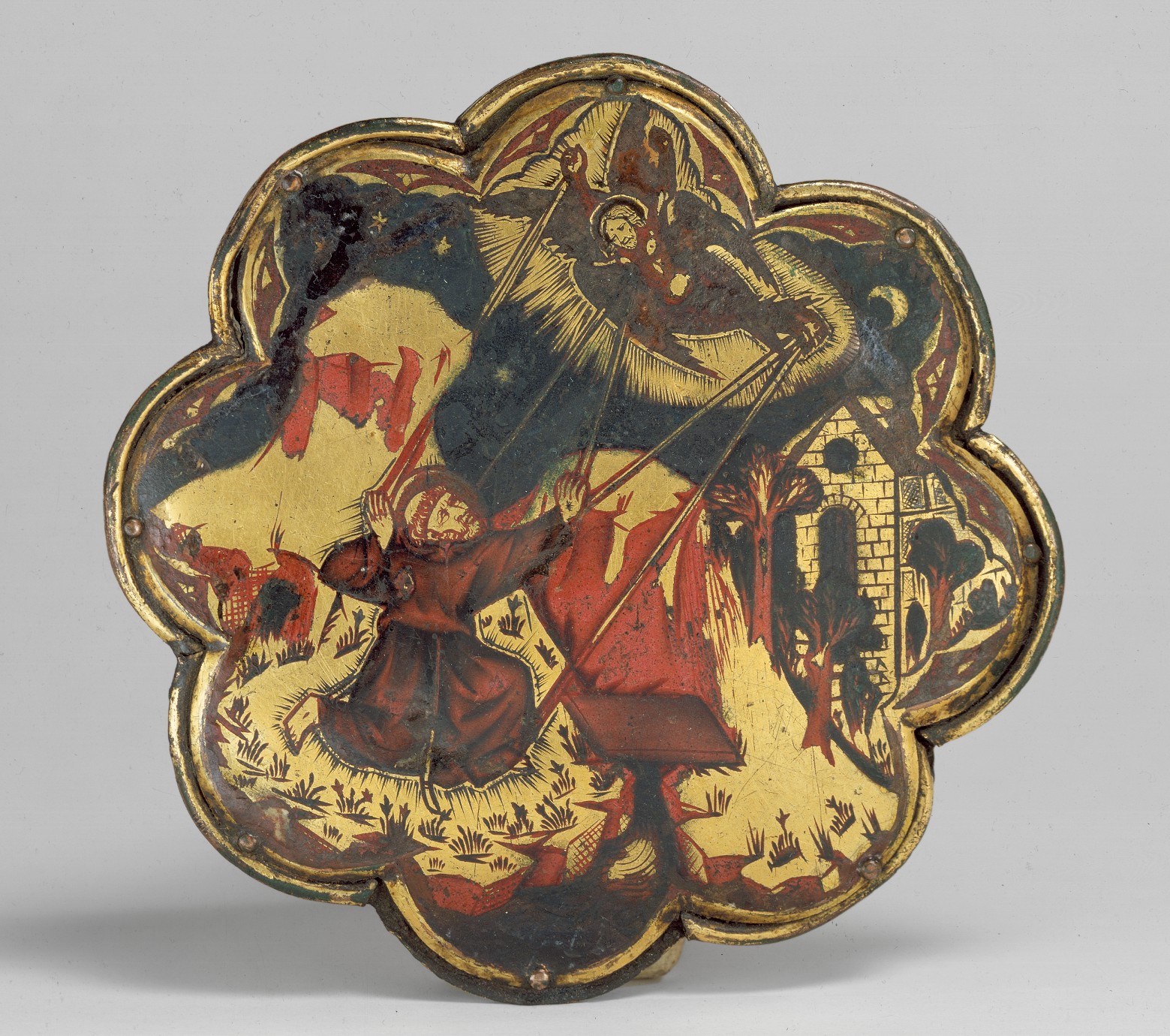
Morse with Saint Francis of Assisi Receiving the Stigmata
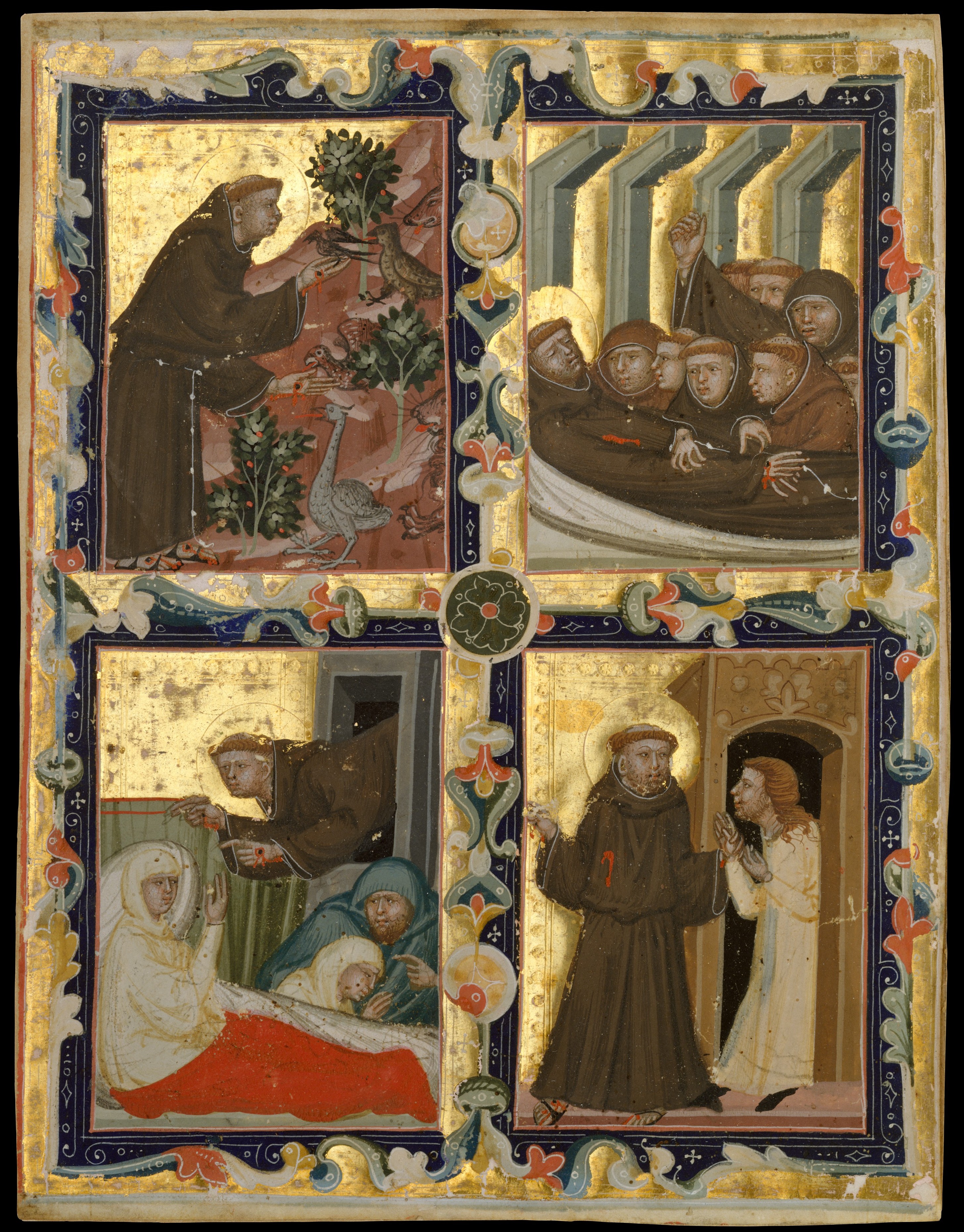
Manuscript Leaf with Scenes from the Life of Saint Francis of Assisi
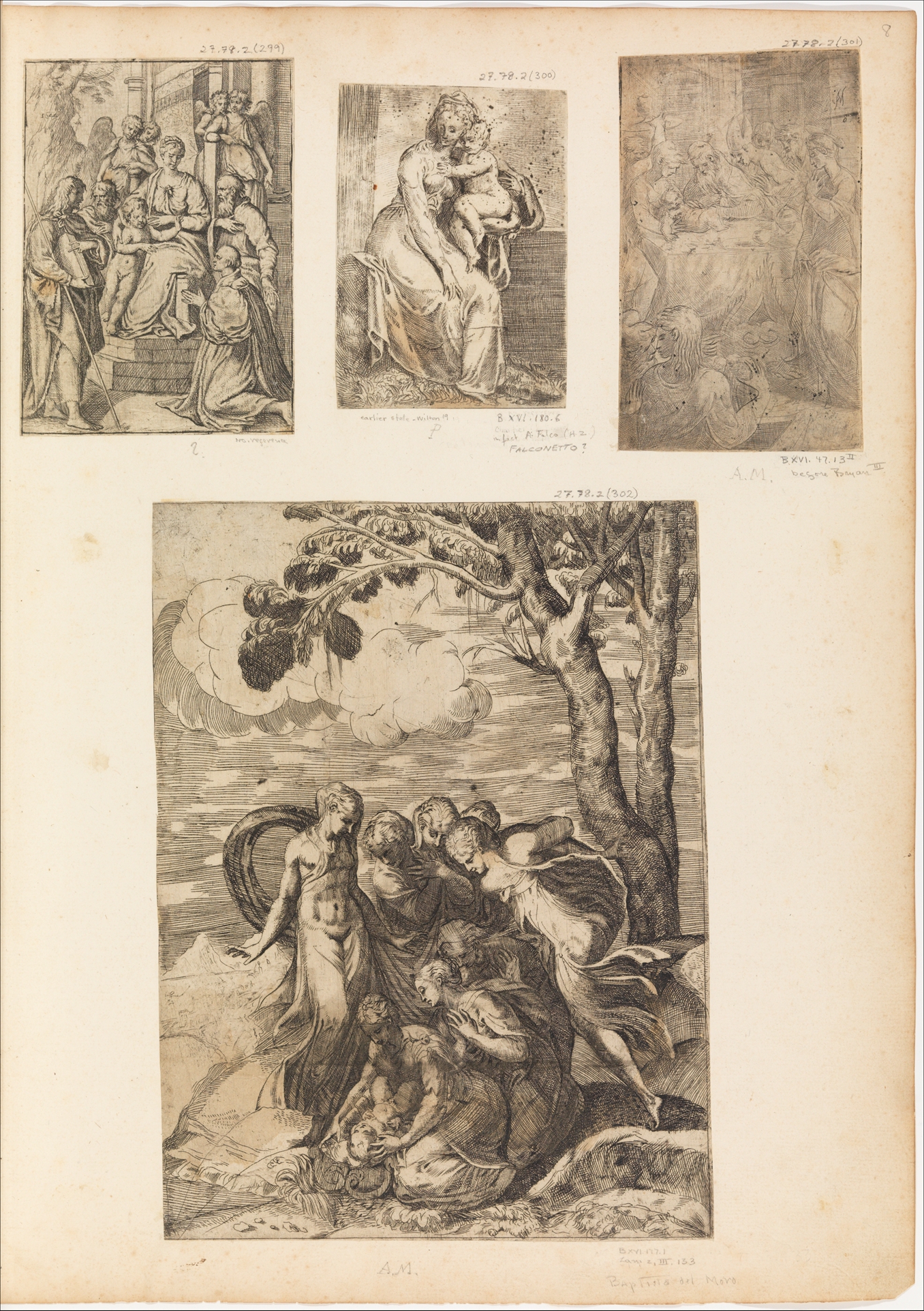
Virgin and Child Enthroned with St. Jerome, St. Francis of Assisi and Three Other Saints
Anonymous, Italian, 16th to 17th century|Alessandro Gandini|Parmigianino (Girolamo Francesco Maria Mazzola)

The Crucifixion, (reverse) Saint Francis of Assisi; The Resurrection, (reverse) An Abbot Saint, Possibly Saint Benedict
Northern French Painter

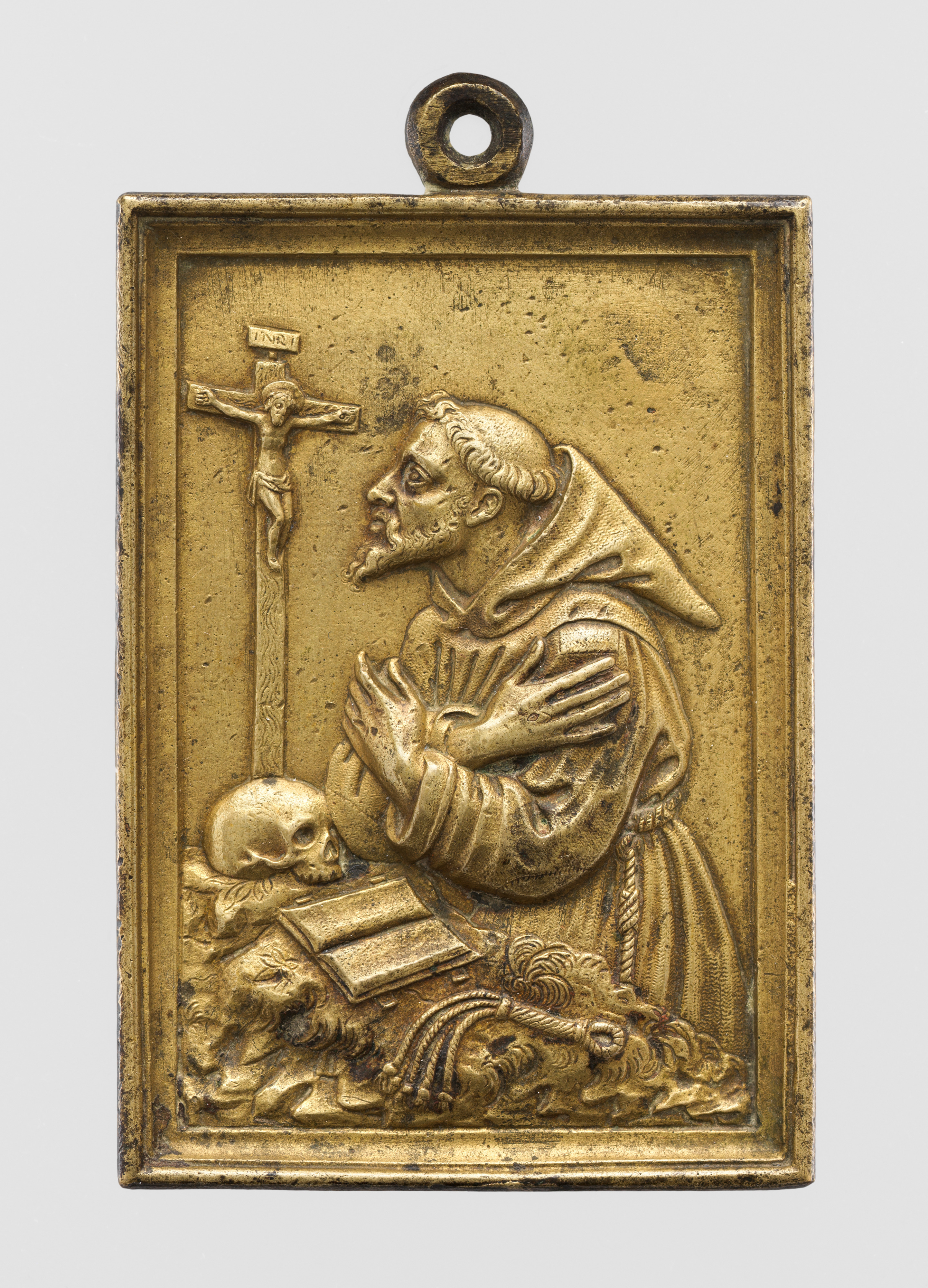
Saint Francis of Assisi praying before a crucifix, from "Piccoli Santi" (Small Saints)
Marcantonio Raimondi
More from the High Medieval


Explore what happened on the days that shaped Saint Francis of Assisi's life. Today In History connects historical figures with the events, births, and deaths that defined their era. Browse all historical figures or explore today's events.