

Historical Figure
Trajan
53–117
Roman emperor from AD 98 to 117
Talk to Trajan
Have a conversation with this historical figure through AI
Biography
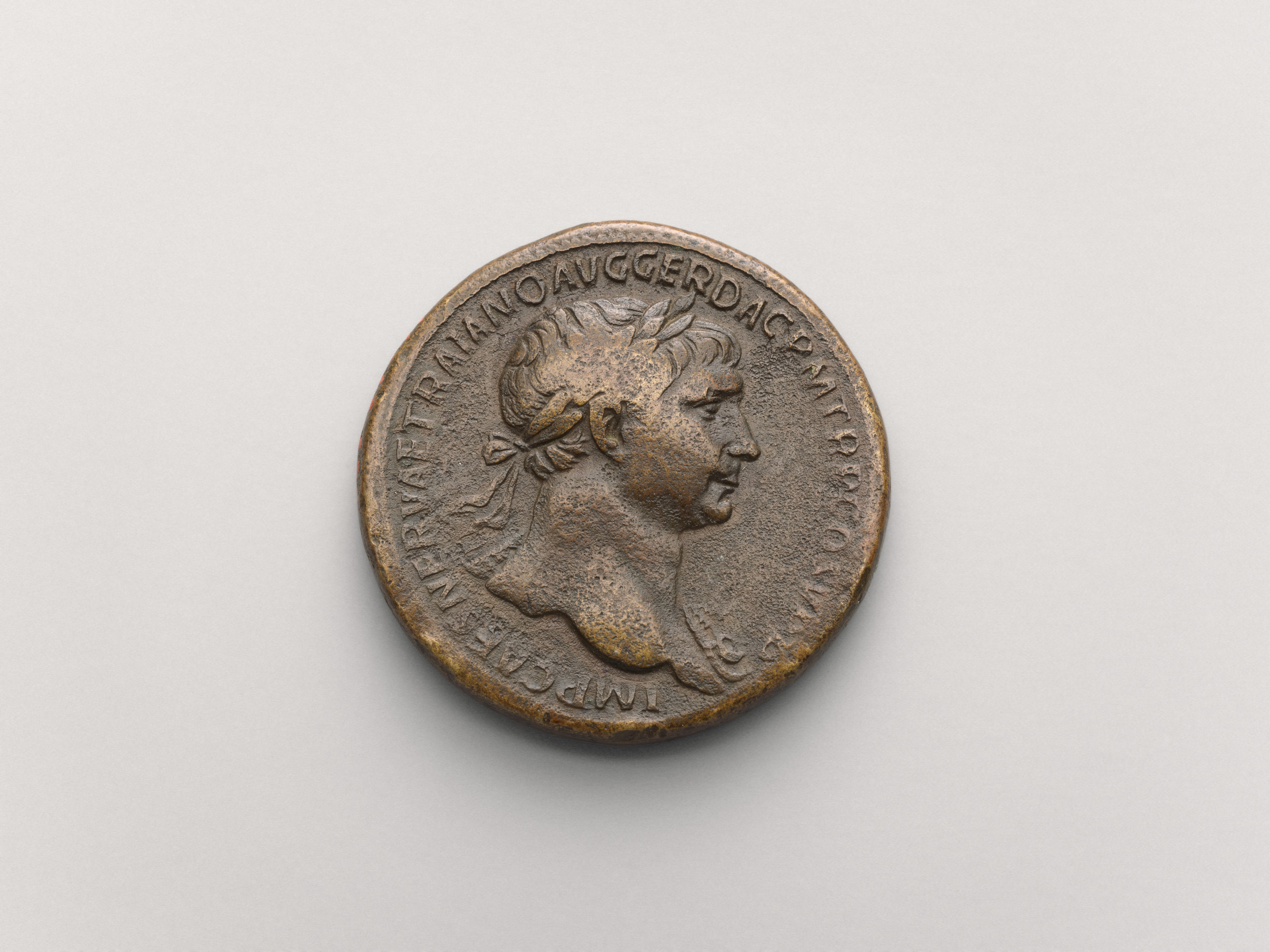
Trajan was a Roman emperor from AD 98 to 117, remembered as the second of the Five Good Emperors of the Nerva–Antonine dynasty. He was a philanthropic ruler and a successful soldier-emperor who presided over one of the greatest military expansions in Roman history, during which, by the time of his death, the Roman Empire reached its maximum territorial extent. He was given the title of optimus princeps by the Roman Senate.
In Their Own Words (1)
Timeline
The story of Trajan, told in moments.
Born Marcus Ulpius Traianus in Italica, a Roman settlement in modern Andalusia, Spain. His father is a general and senator. Trajan is the first Roman emperor born outside Italy. He rises through the military ranks under Domitian. When Nerva needs a popular successor, the army's choice is obvious.
Becomes emperor after Nerva's death. He doesn't rush to Rome. Stays on the Rhine frontier for over a year, inspecting troops and borders. When he finally enters the capital, he walks. No chariot. The Senate gives him the title Optimus Princeps. Best ruler.
Conquers Dacia after two brutal wars. The Dacian king Decebalus kills himself rather than be captured. Trajan returns to Rome with 165 tons of gold and 330 tons of silver. He uses the money to build his forum, his markets, and his column. The column still stands. 155 scenes spiral upward, telling the story of the wars in stone.
Completes Trajan's Forum, the largest of the imperial forums. Adjacent to it: Trajan's Market, a multi-level complex that functions as the ancient world's first shopping mall. He also expands the alimenta, a welfare program feeding poor children across Italy. The soldier-emperor builds more than he destroys.
Reaches the Persian Gulf after conquering Mesopotamia and Armenia from the Parthians. The Roman Empire hits its maximum territorial extent. He reportedly stands on the shore and says he'd march to India if he were younger. He is 63. His health is failing.
Dies of a stroke in Selinus, southern Turkey, while sailing back to Rome. He is 63. His ashes are placed in an urn at the base of Trajan's Column. The Senate deifies him. For centuries afterward, new emperors are wished "May you be luckier than Augustus and better than Trajan."
Artifacts (11)

Speculum Romanae Magnificentiae: Column of Trajan
Anonymous|Antonio Salamanca
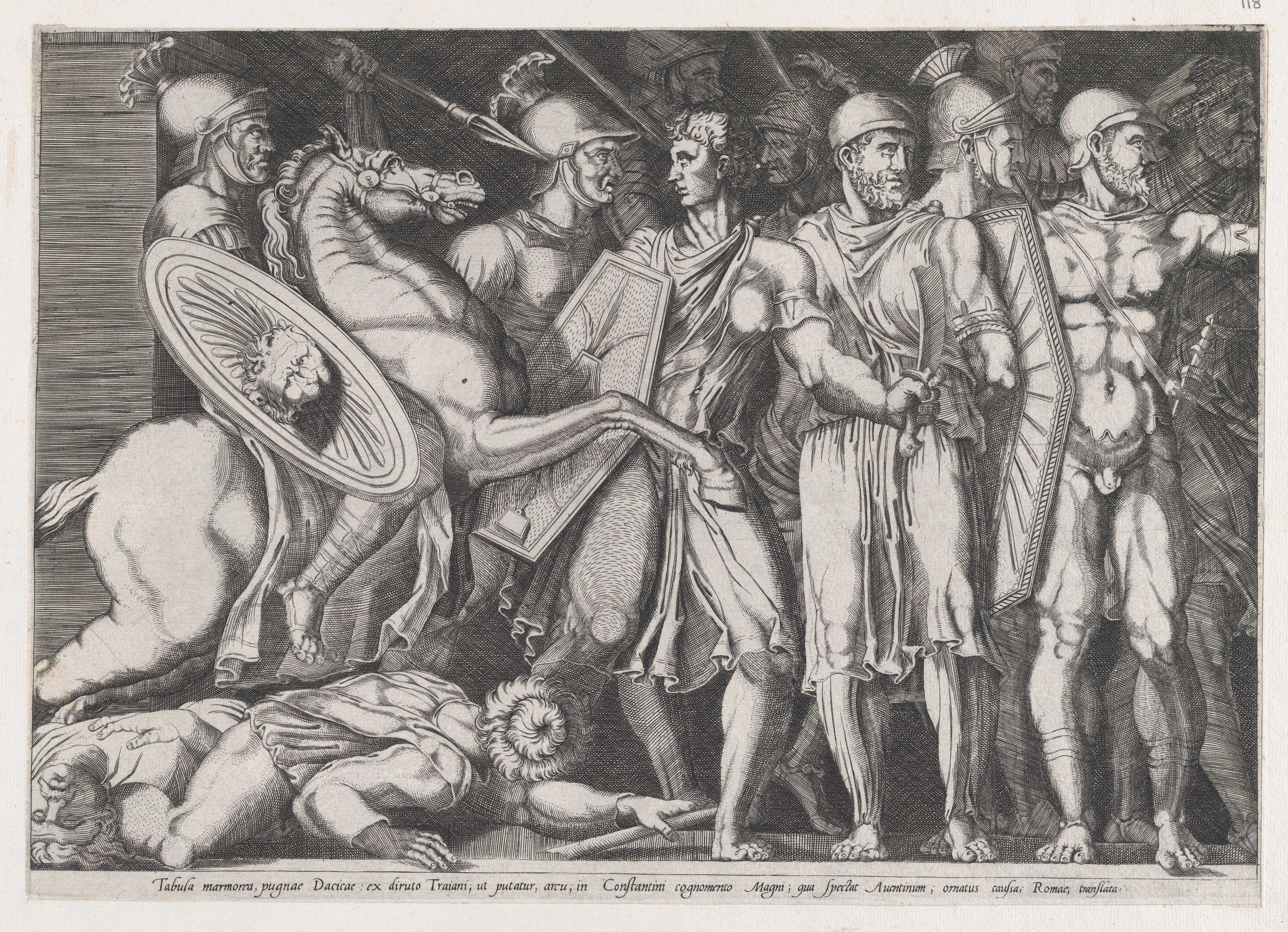
Speculum Romanae Magnificentiae: Trajan Fighting the Dacians
Marco Dente
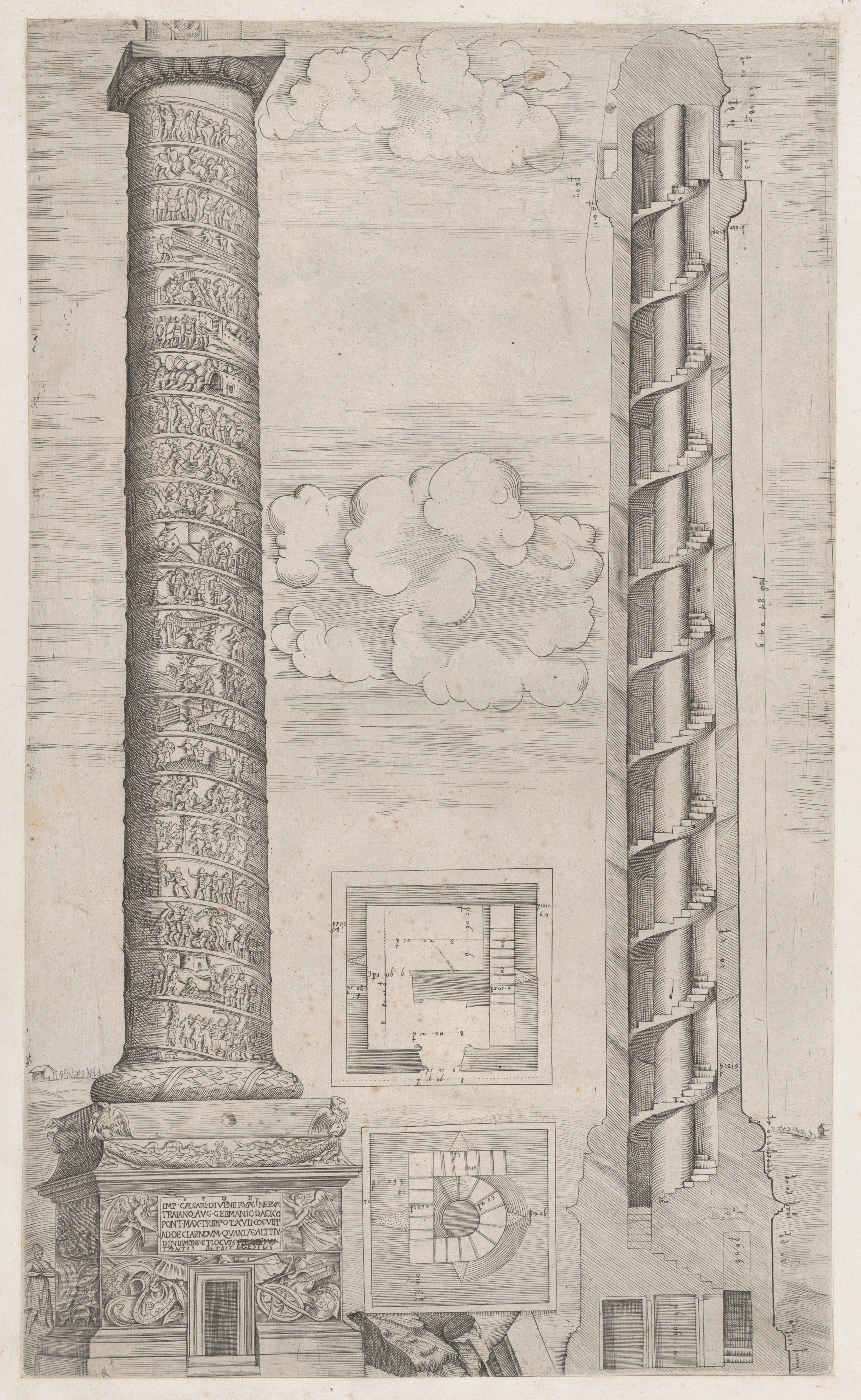
Speculum Romanae Magnificentiae: Column of Trajan
Anonymous
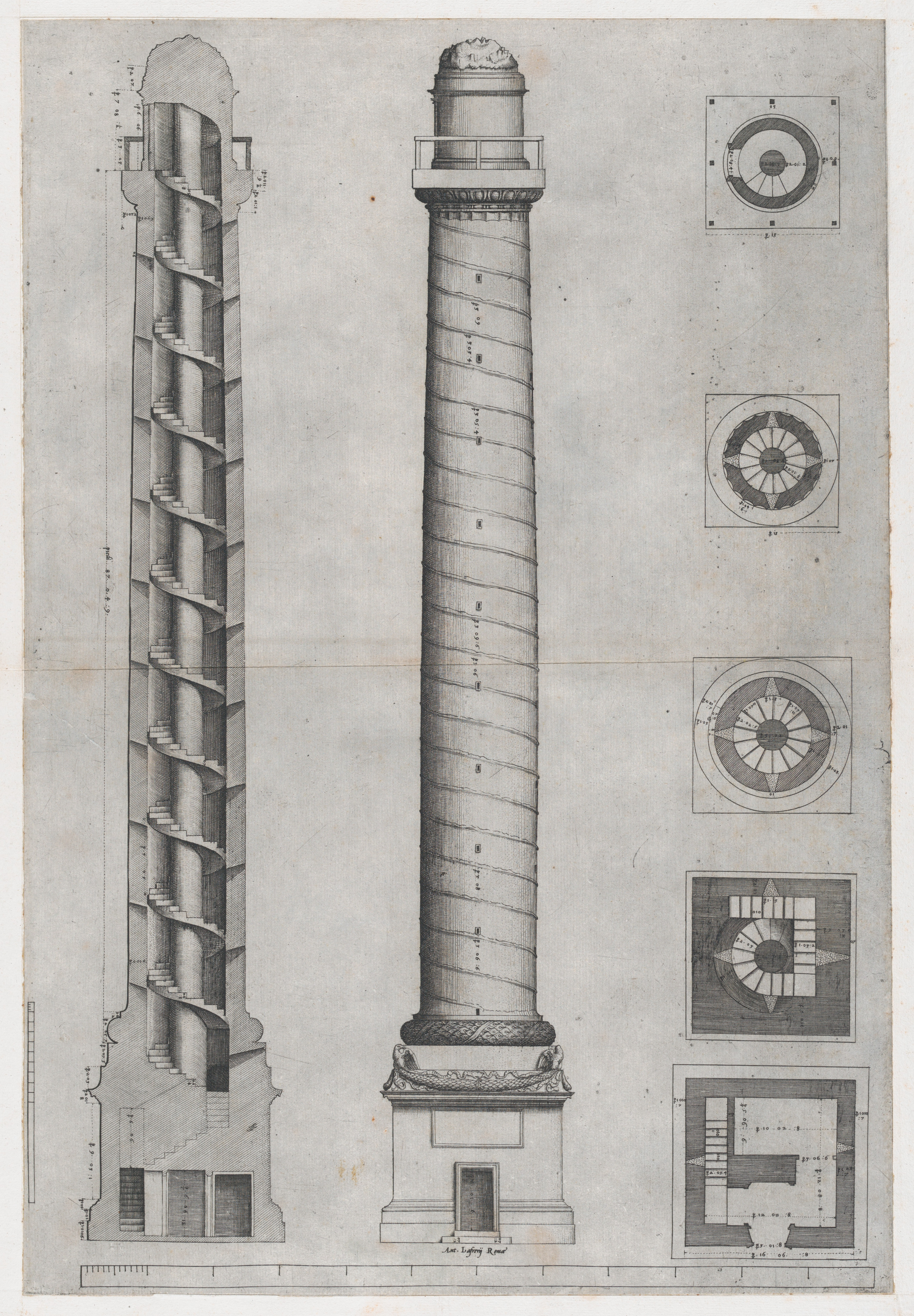
Speculum Romanae Magnificentiae: The Column of Trajan
Anonymous, Italian, 16th century|Antonio Lafreri|Antonio da Labacco
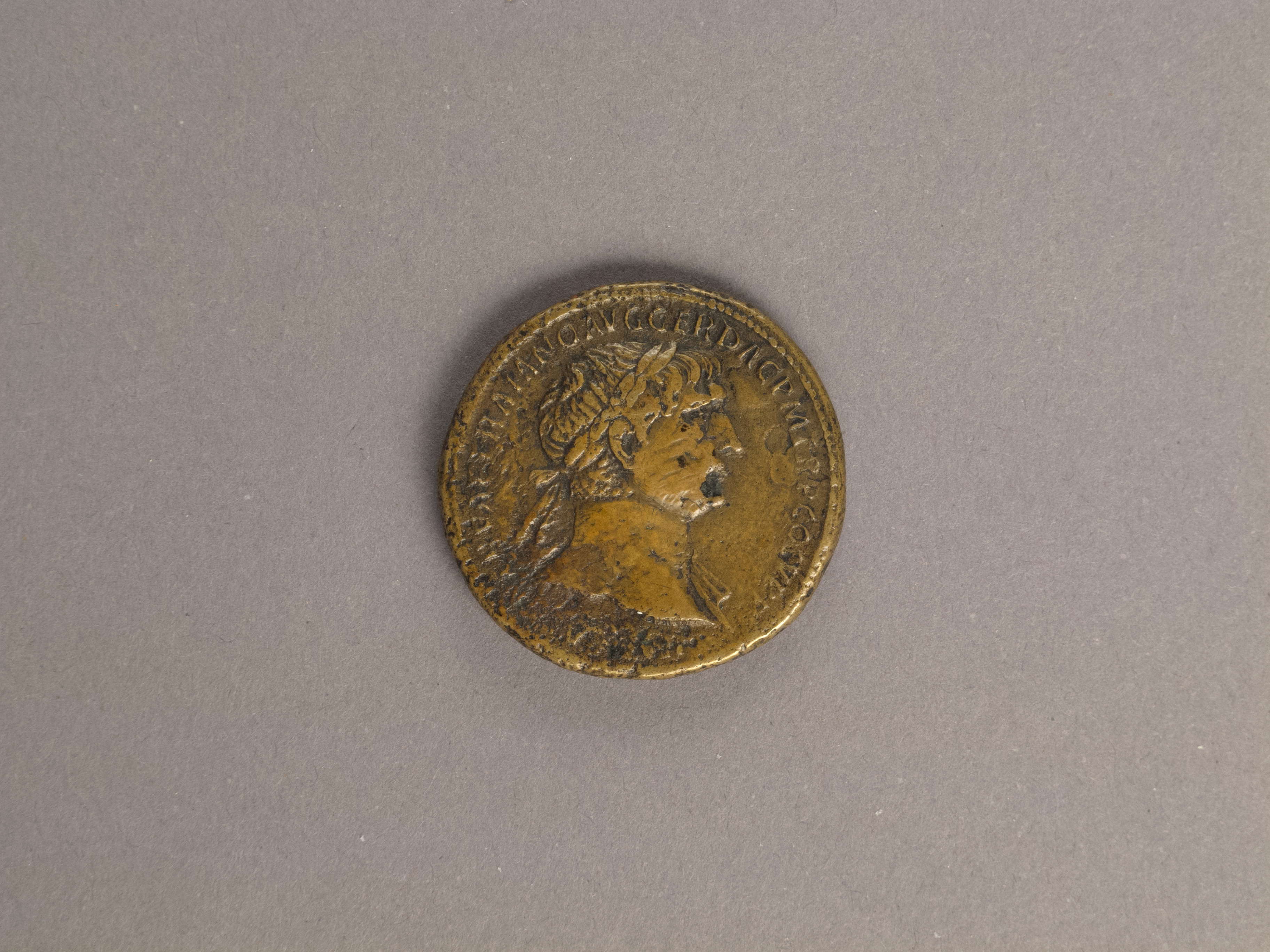
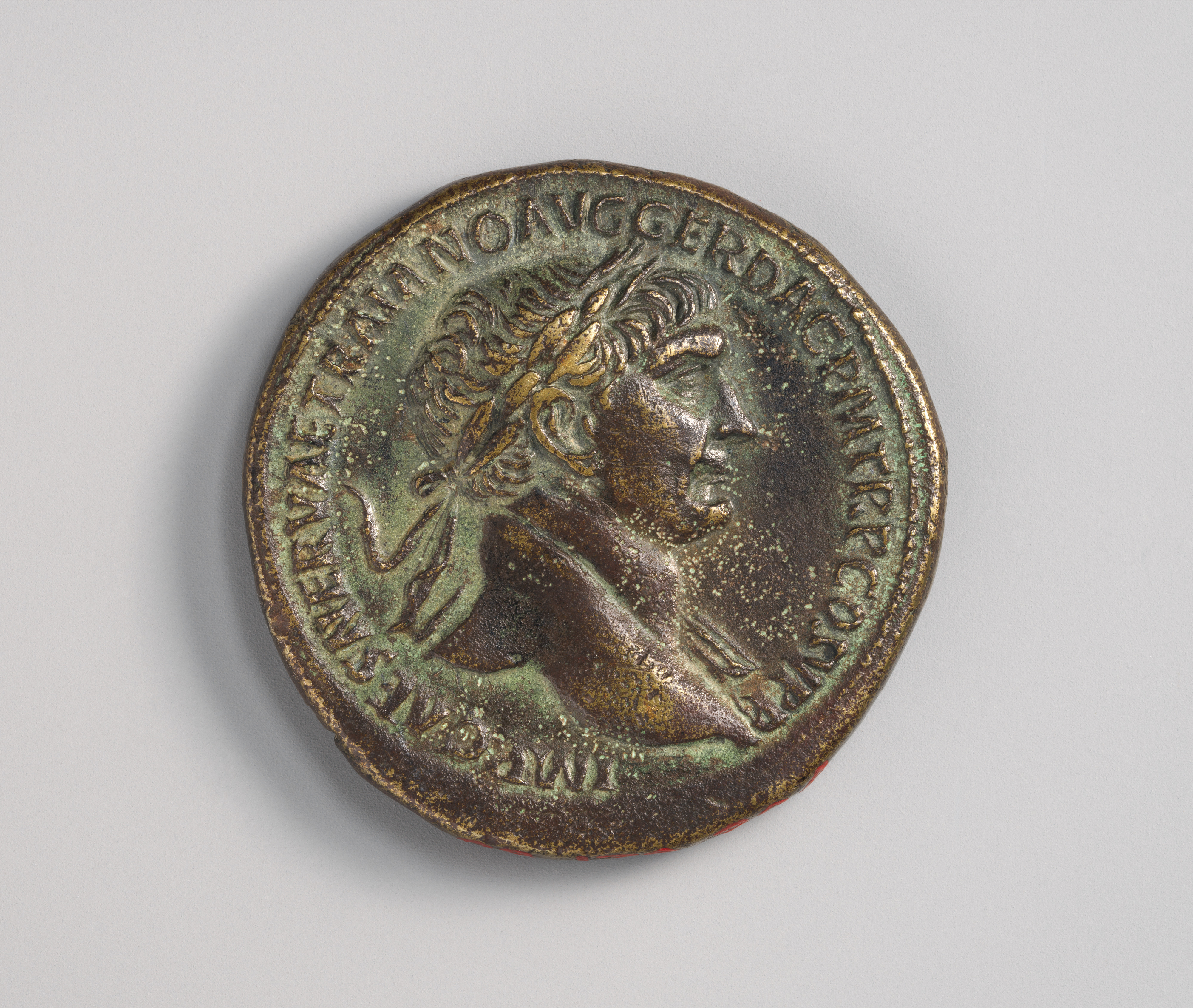
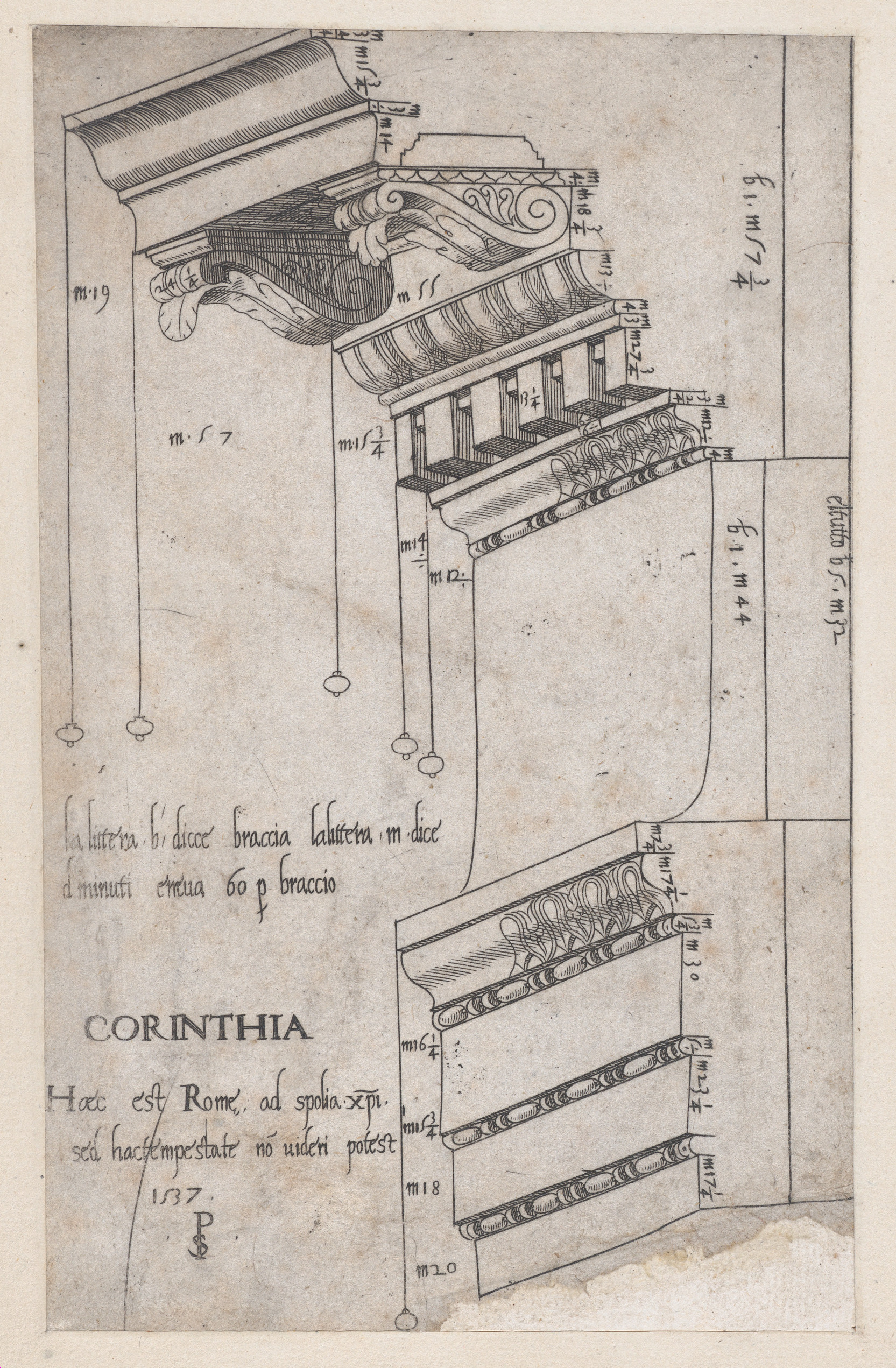
Speculum Romanae Magnificentiae: Entablature from the Forum of Trajan, Rome
Master PS|Jacques Prevost de Gray

Speculum Romanae Magnificentiae: Trajan Between City of Victory and Rome
Marcantonio Raimondi|Anonymous, Italian, 16th century|Antonio Salamanca
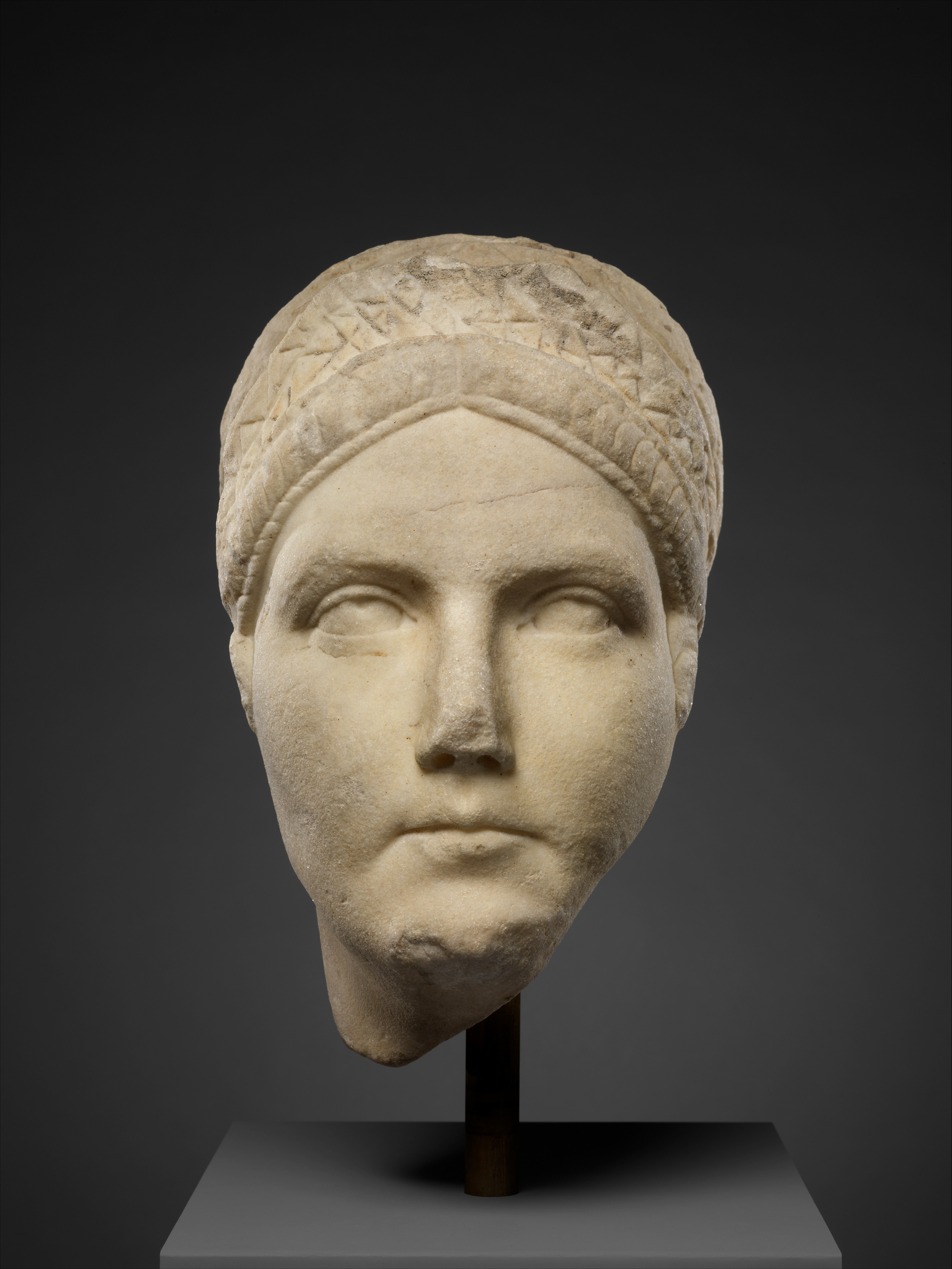
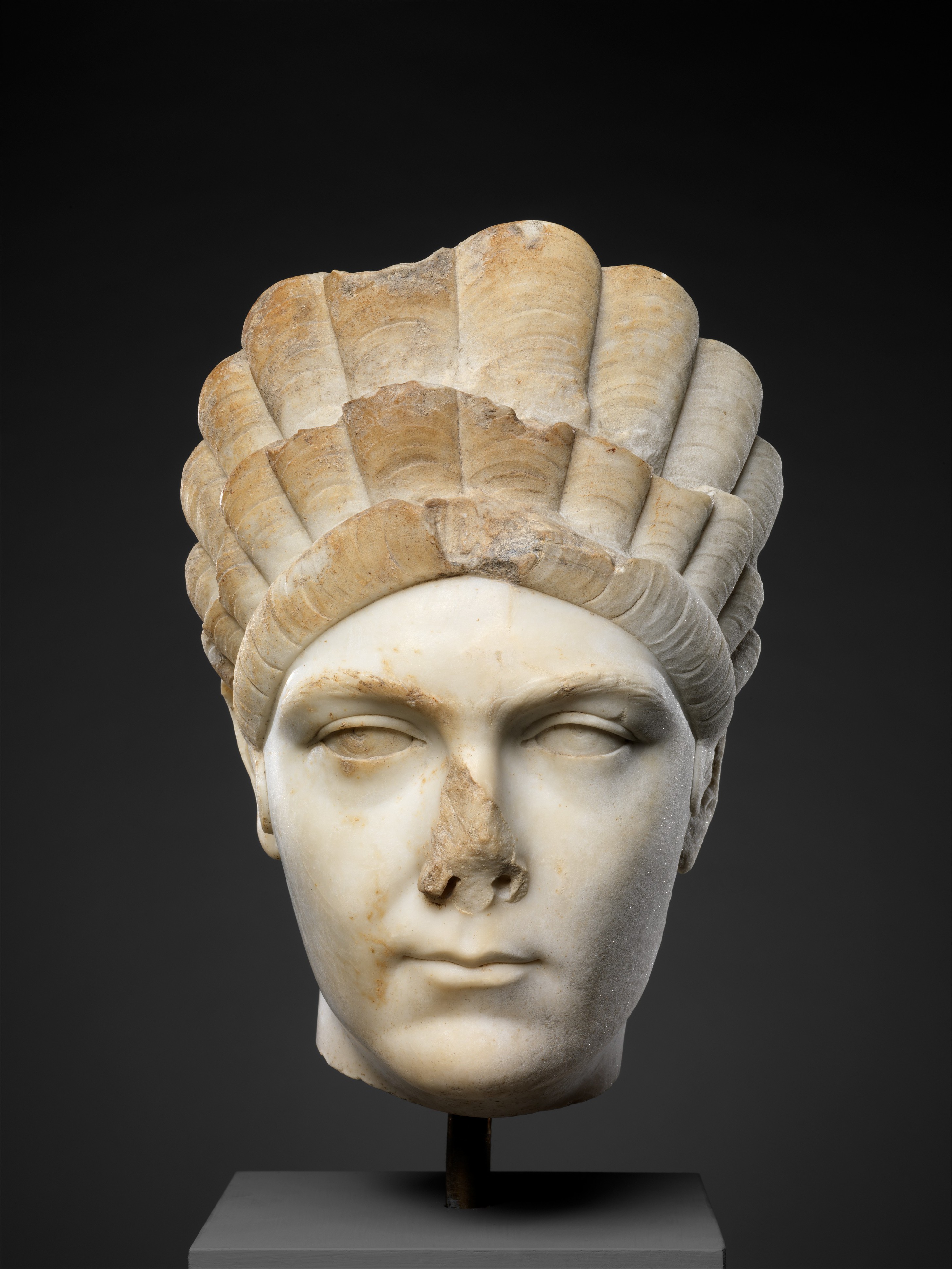
Marble portrait, probably of Matidia, niece of the emperor Trajan and mother of Sabina, wife of the emperor Hadrian
More from the Classical


Explore what happened on the days that shaped Trajan's life. Today In History connects historical figures with the events, births, and deaths that defined their era. Browse all historical figures or explore today's events.