

Charles I Dissolves Parliament: The Personal Rule Begins
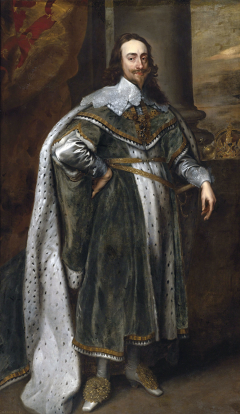
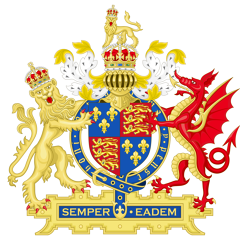
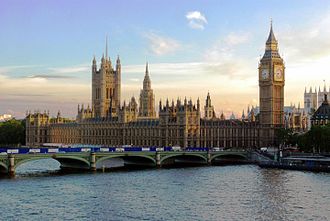
Charles I of England dissolved Parliament on March 2, 1629, after a tumultuous session in which members physically held the Speaker in his chair to prevent adjournment while they passed three resolutions condemning the king's religious policies and unauthorized taxation. Charles was so furious that he refused to call another Parliament for eleven years, a period known as the Personal Rule. Without parliamentary approval, he raised revenue through revival of obscure feudal levies, monopoly grants, and most controversially, 'ship money,' a naval tax traditionally levied only on coastal counties that Charles extended to the entire kingdom. John Hampden's famous refusal to pay ship money in 1637 and the subsequent trial became a rallying point for opposition. The Personal Rule ended in 1640 when Charles desperately needed Parliament to fund a war against Scottish Covenanters. The Parliament he summoned immediately demanded redress of eleven years of grievances, setting the stage for the English Civil War.
March 10, 1629
397 years ago
Key Figures & Places



What Else Happened on March 10

The Roman fleet that won the First Punic War wasn't paid for by Rome. Wealthy citizens funded 200 warships out of their own pockets after the treasury went brok…
Maximian rode into Carthage celebrating victory over the Berbers, but he'd actually spent five years struggling to control tribes who knew every mountain pass a…
Liu Zhiyuan waited just sixteen days after the Khitan invaders abandoned Kaifeng before declaring himself emperor and founding the Later Han dynasty. The former…
Christopher Columbus sailed for Spain, leaving his brother Bartholomew to govern the fledgling settlement of Santo Domingo. This departure solidified the first …
The bishop ran out of wind. Fray Tomás de Berlanga was sailing from Panama to Peru in 1535 when his ship hit the doldrums — dead calm for six days straight. Oce…
The pretender won because his enemy's spiritual leader insisted on joining the battlefield. Abuna Petros II, patriarch of the Ethiopian Orthodox Church, rode al…
Talk to History
Have a conversation with historical figures who witnessed this era. Ask questions, explore perspectives, and bring history to life.