

Nations Outlaw War: Kellogg-Briand Pact Signed
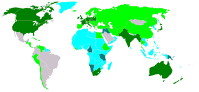
Fifteen nations signed the Kellogg-Briand Pact in Paris on August 27, 1928, solemnly renouncing war "as an instrument of national policy." The treaty was the brainchild of French Foreign Minister Aristide Briand and U.S. Secretary of State Frank Kellogg, both of whom received the Nobel Peace Prize. Eventually 62 nations signed. The pact contained no enforcement mechanism and no definition of what constituted "war," which is why Japan invaded Manchuria three years later without technically violating it. The pact was widely mocked as naive, but it had a lasting legal consequence: its prohibition on aggressive war became the basis for the "crimes against peace" charge at the Nuremberg Trials, establishing that starting a war was itself a criminal act.
August 27, 1928
98 years ago
Key Figures & Places


What Else Happened on August 27
The Persians had invaded Greece twice before Plataea. At Marathon, Athens stopped them alone. At Thermopylae, a small Spartan force held long enough for the fle…

Alaric I led his Visigothic army through the Salarian Gate on August 24, 410 AD, and sacked Rome for three days. It was the first time the city had fallen to a …
The combined Tang Chinese and Silla Korean fleets crushed the Baekje-Japanese alliance on the Geum River, destroying over 400 ships and ending Japan's first att…
Henry the Young King and Margaret of France were crowned in a lavish ceremony at Winchester Cathedral, an attempt by Henry II to secure the succession by crowni…
The Formulary of Adjudications — Goseibai Shikimoku — was a 51-article legal code issued by Hojo Yasutoki in 1232, the first comprehensive written law for Japan…
Shikken Hojo Yasutoki promulgated the Goseibai Shikimoku on August 27, 1232, establishing Japan's first written legal code specifically for the samurai class. T…
Talk to History
Have a conversation with historical figures who witnessed this era. Ask questions, explore perspectives, and bring history to life.