

BBC Launches First Broadcast: The Dawn of Global Radio
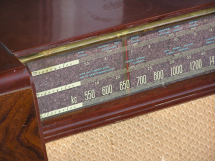
The BBC made its first regular radio broadcast from Marconi House in London on November 14, 1922, with a news bulletin read by Arthur Burrows at 6 p.m. The British Broadcasting Company had been formed by a consortium of wireless manufacturers, including Marconi, to provide content that would encourage the public to buy radio receivers. Daily broadcasts from 2LO in London began immediately. Within months, stations in Manchester, Birmingham, and other cities joined the network. John Reith, hired as general manager, imposed standards of diction, content, and impartiality that defined British broadcasting for generations. The company became a public corporation under Royal Charter in 1927, funded by license fees rather than advertising. Reith's vision of radio as a tool for education and national unity survived the transition and shaped the BBC's identity permanently.
November 14, 1922
104 years ago
Key Figures & Places

What Else Happened on November 14
Alexander the Great accepted the double crown of Upper and Lower Egypt in Memphis, ending two centuries of Persian rule. By assuming the title of pharaoh, he se…
Francisco Pizarro and his band of conquistadors marched into the Inca city of Cajamarca, initiating a direct confrontation with Emperor Atahualpa. This encounte…
Gottfried Kirch spots a brilliant new streak in the sky through his telescope, shattering the ancient belief that comets were atmospheric phenomena. This discov…
Scottish explorer James Bruce reached the source of the Blue Nile at Lake Tana in Ethiopia, believing he had solved one of geography's oldest mysteries. His acc…
French Marshals Victor and Oudinot suffer a sharp defeat at the Battle of Smoliani against General Peter Wittgenstein's Russian forces. This loss halts Napoleon…

Herman Melville published Moby-Dick on November 14, 1851, in New York under Harper and Brothers, three weeks after the British edition appeared as The Whale. Th…
Talk to History
Have a conversation with historical figures who witnessed this era. Ask questions, explore perspectives, and bring history to life.