

Coventry Bombed: German Luftwaffe Destroys a City
Five hundred German bombers hit Coventry in a single night. The raid lasted eleven hours straight. Thousands of incendiary bombs turned the medieval city center to ash, and the 14th-century Cathedral of Saint Michael burned so completely that only its shell remained. But here's the twist — Nazi propaganda chief Goebbels coined a new German verb from the ruins: *coventrieren*, meaning "to devastate utterly." The Allies were horrified. And yet that gutted cathedral spire became Britain's most powerful recruitment image. Destruction had accidentally built something stronger than stone.
November 14, 1940
86 years ago
Key Figures & Places

England
Wikipedia
Nazi Germany
Wikipedia
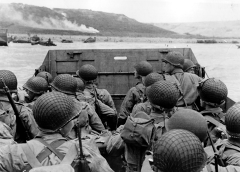
World War II
Wikipedia

Luftwaffe
Wikipedia

bomber
Wikipedia

Coventry
Wikipedia
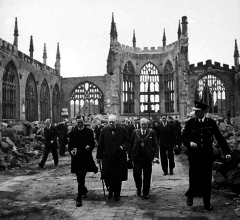
Coventry Blitz
Wikipedia
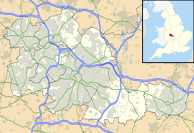
Coventry Cathedral
Wikipedia

World War II
Wikipedia

Coventry Blitz
Wikipedia

Luftwaffe
Wikipedia

Coventry Cathedral
Wikipedia

German Air Force
Wikipedia

Coventry
Wikipedia

Nazi Germany
Wikipedia

Flächenbombardement
Wikipedia

Battle of Britain
Wikipedia

Nationalsozialistische Propaganda
Wikipedia
Coventrieren
Wikipedia

Textile
Wikipedia

Reichskleiderkarte
Wikipedia
What Else Happened on November 14
Alexander the Great accepted the double crown of Upper and Lower Egypt in Memphis, ending two centuries of Persian rule. By assuming the title of pharaoh, he se…
Francisco Pizarro and his band of conquistadors marched into the Inca city of Cajamarca, initiating a direct confrontation with Emperor Atahualpa. This encounte…
Gottfried Kirch spots a brilliant new streak in the sky through his telescope, shattering the ancient belief that comets were atmospheric phenomena. This discov…
Scottish explorer James Bruce reached the source of the Blue Nile at Lake Tana in Ethiopia, believing he had solved one of geography's oldest mysteries. His acc…
French Marshals Victor and Oudinot suffer a sharp defeat at the Battle of Smoliani against General Peter Wittgenstein's Russian forces. This loss halts Napoleon…

Herman Melville published Moby-Dick on November 14, 1851, in New York under Harper and Brothers, three weeks after the British edition appeared as The Whale. Th…
Talk to History
Have a conversation with historical figures who witnessed this era. Ask questions, explore perspectives, and bring history to life.