

Historical Figure
Hadrian
76–138
Roman emperor from 117 to 138
Talk to Hadrian
Have a conversation with this historical figure through AI
Biography
Hadrian was Roman emperor from 117 to 138. Hadrian was born in Italica, in the present-day Andalusian province of Seville in southern Spain, an Italic settlement in Hispania Baetica; his gens Aelia came from the town of Hadria in eastern Italy. He was a member of the Nerva–Antonine dynasty.
In Their Own Words (2)
Your lines were wanton but your heart was clean.
"On a Poet Friend", in Apuleius, Apologia, sec. 11 (tr. J. W. Duff, 1934) , 1934
Dear fleeting sweeting, little soul, My body's comrade and its guest, What region now must be thy goal, Poor little wan, numb, naked soul, Unable, as of old, to jest?
"Hadrian's Dying Farewell to His Soul", in the Historia Augusta, "Hadrianus", pt. 2, sec. 25, par. 9 (tr. J. W. Duff, 1934) , 1934
Timeline
The story of Hadrian, told in moments.
Becomes emperor at 41. Trajan's wife Plotina probably engineered the succession. Within days, four leading senators are put to death. Hadrian claims he didn't order it. The Senate doesn't believe him and never forgives him.
Begins construction of Hadrian's Wall across the width of Britain. Seventy-three miles, coast to coast, with a fort every Roman mile. It marks the northern boundary of the empire. He doesn't want more territory. He wants defensible borders. This is a fundamental break from Trajan's expansionism.
His companion Antinous drowns in the Nile in Egypt. Hadrian is devastated. He founds a city, Antinoopolis, at the site of the drowning and establishes a religious cult around the dead youth. Temples are built across the empire. More statues survive of Antinous than of almost any other figure in antiquity.
The Bar Kokhba revolt erupts in Judea after Hadrian bans circumcision and plans to build a Roman temple over the ruins of the Jewish Temple in Jerusalem. The war lasts three years. Roman losses are so heavy that Hadrian omits the customary "I and the legions are in health" from his report to the Senate. He renames Judea "Syria Palaestina."
Dies at Baiae at 62 after years of chronic illness. His marriage was childless and unhappy. He adopts Antoninus Pius as successor on the condition that Antoninus adopt Marcus Aurelius. The Senate wants to damn his memory. Antoninus talks them out of it. Historians later count Hadrian among the Five Good Emperors.
Artifacts (9)

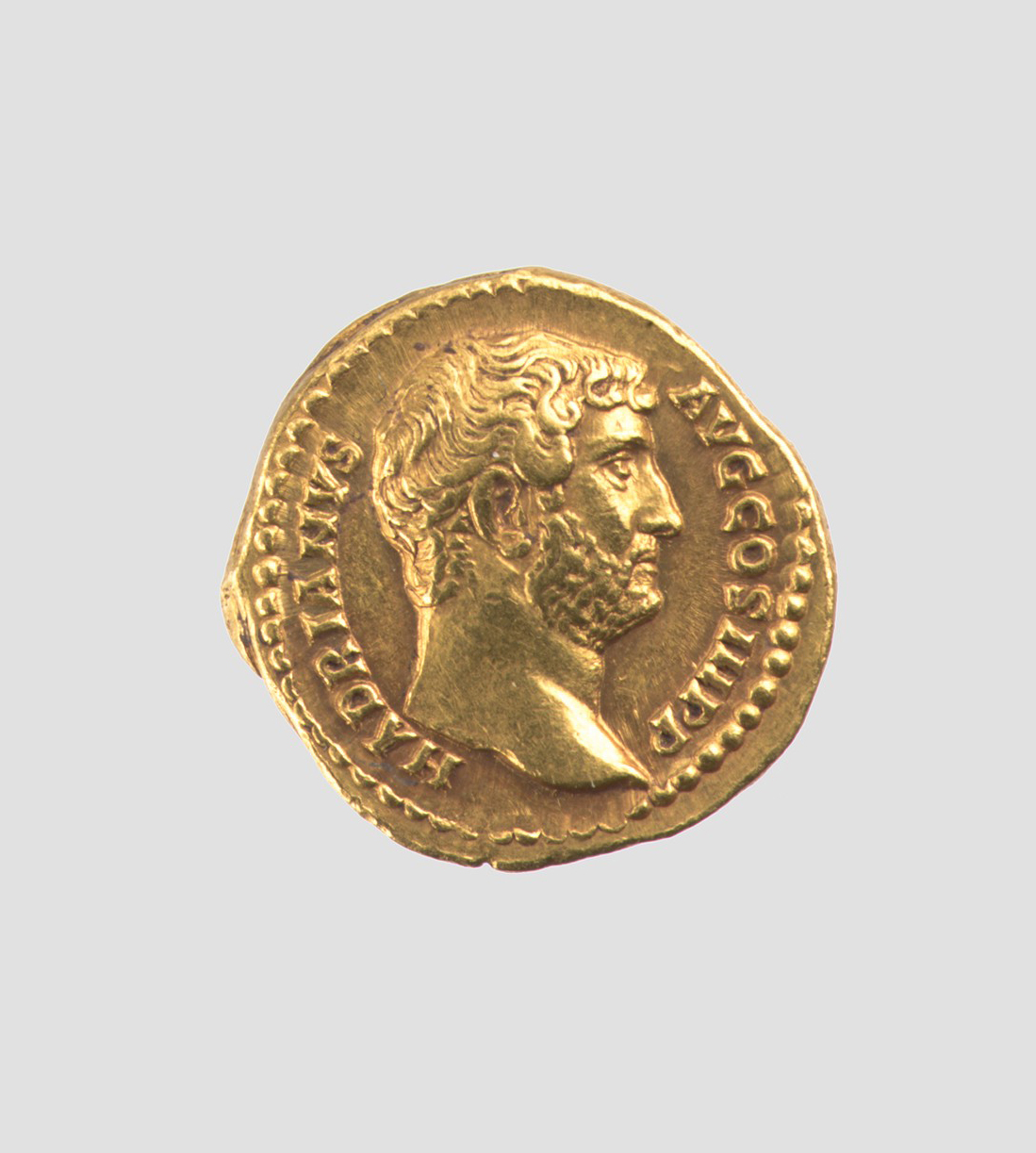
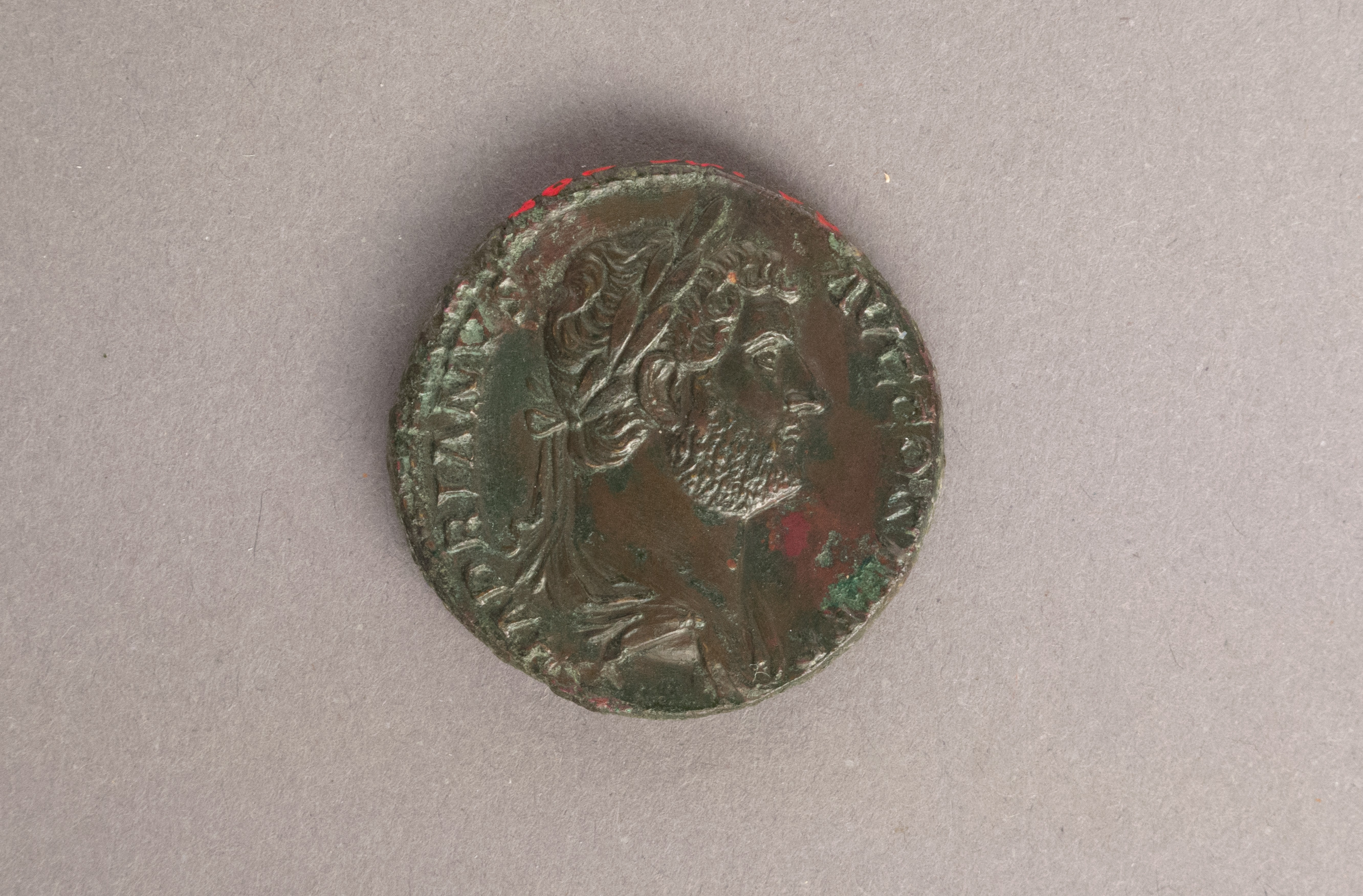
Bust of the Emperor Hadrian (Publius Aelius Hadrianus, 76–138 A.D.)
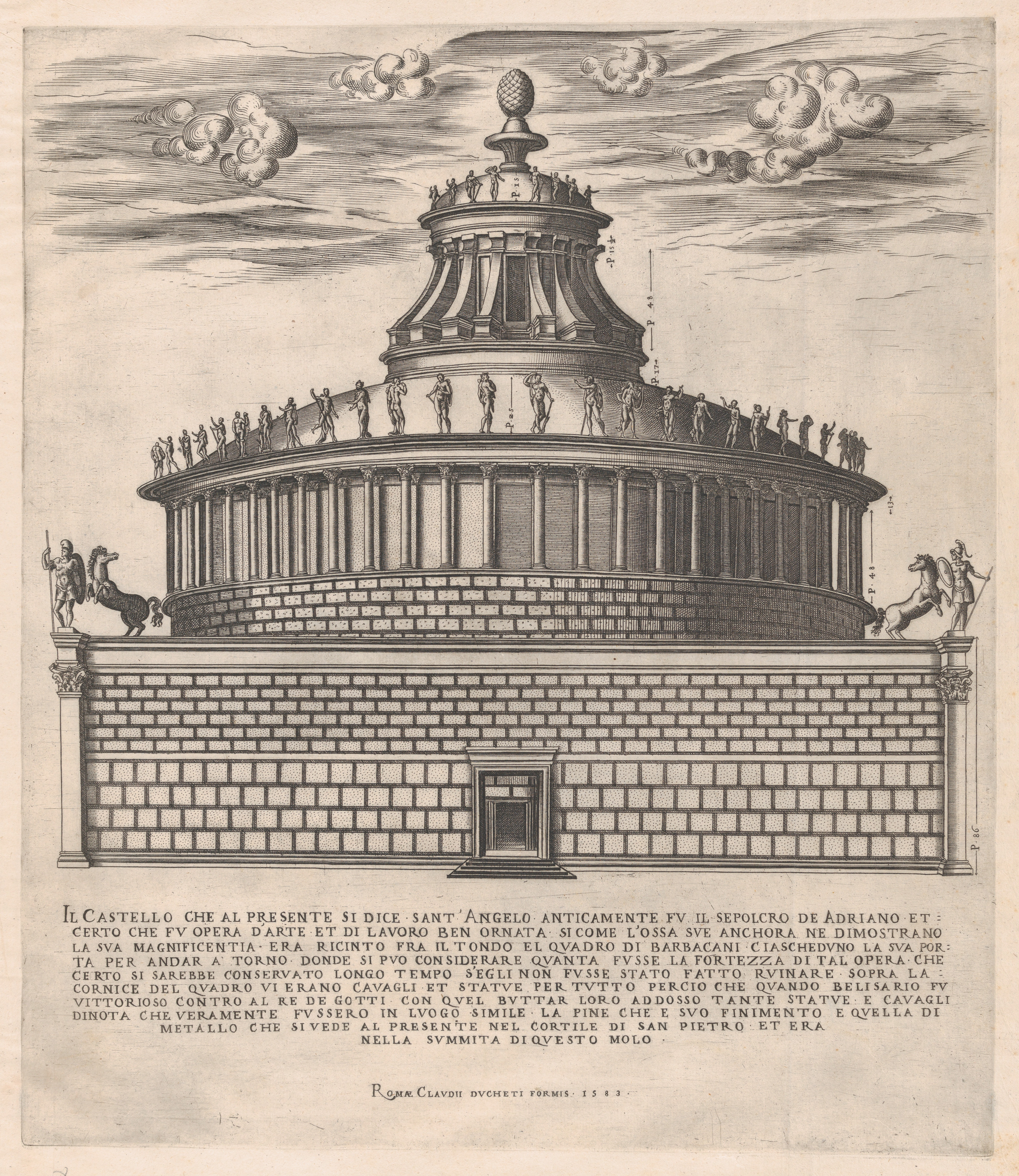
Speculum Romanae Magnificentiae: The Sepulchre of Hadrian
Anonymous|Claudio Duchetti
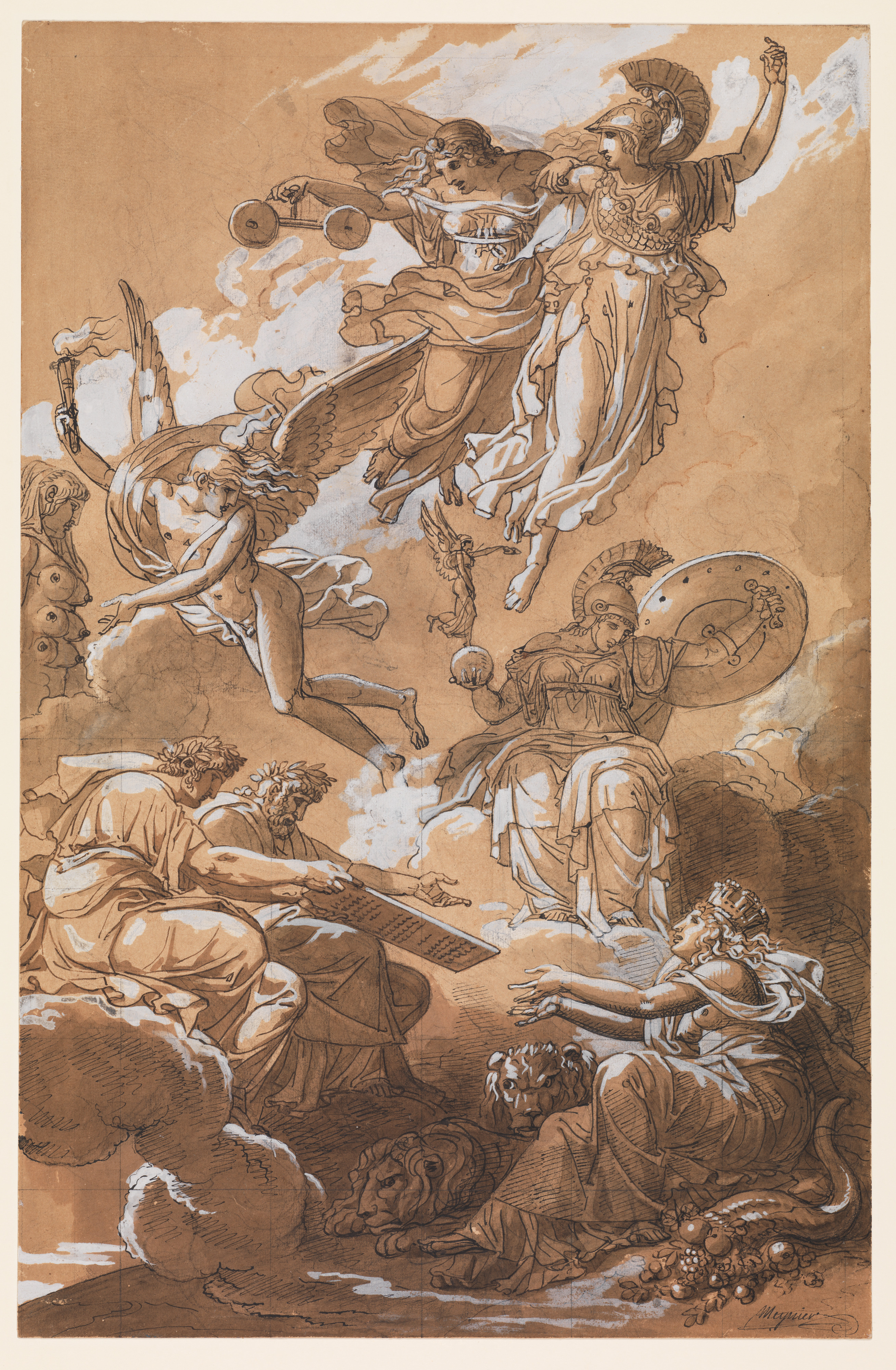
Earth Receiving the Code of Roman Law from the Emperors Hadrian and Justinian
Charles Meynier
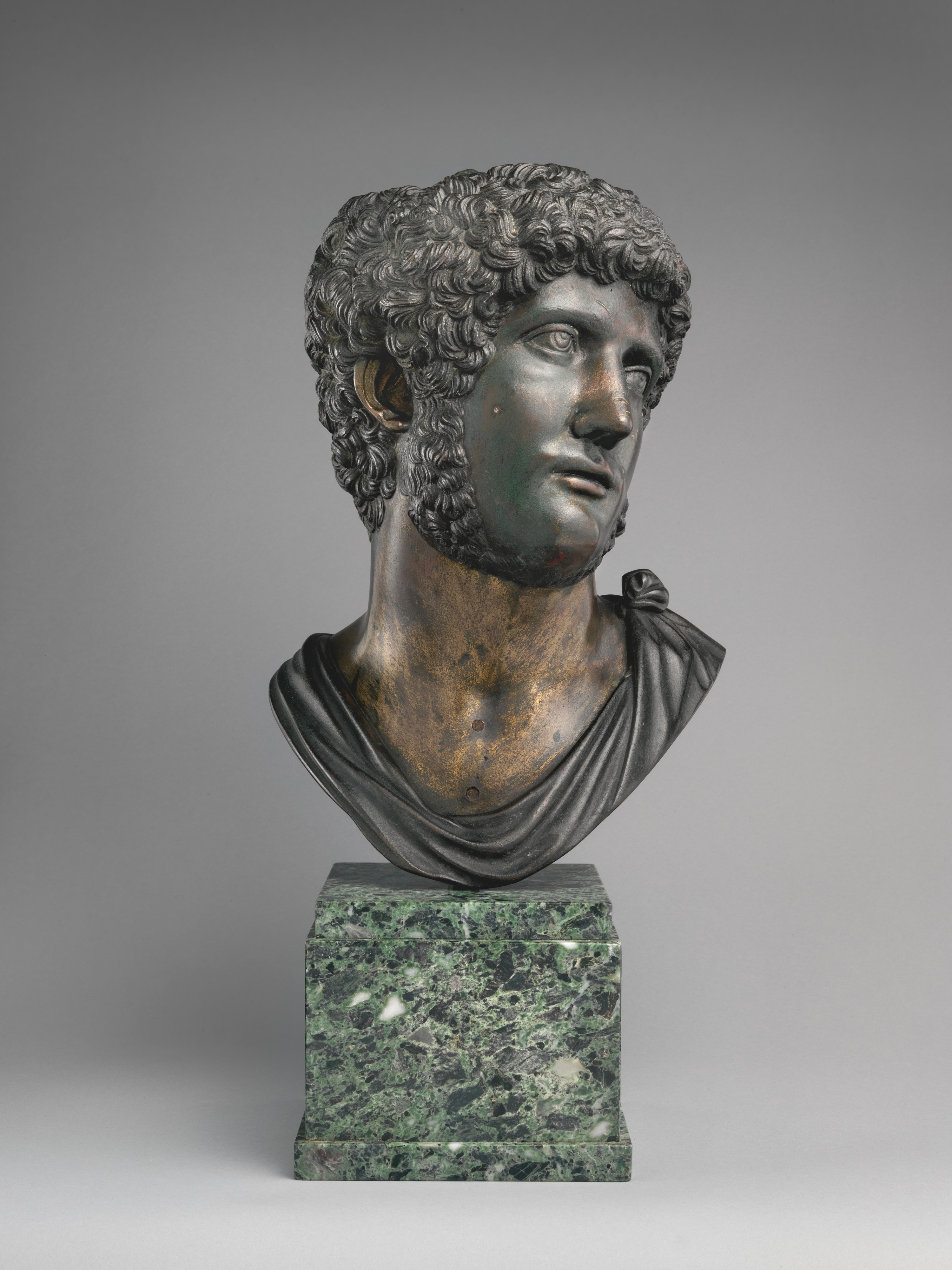
The young Hadrian
Guglielmo della Porta
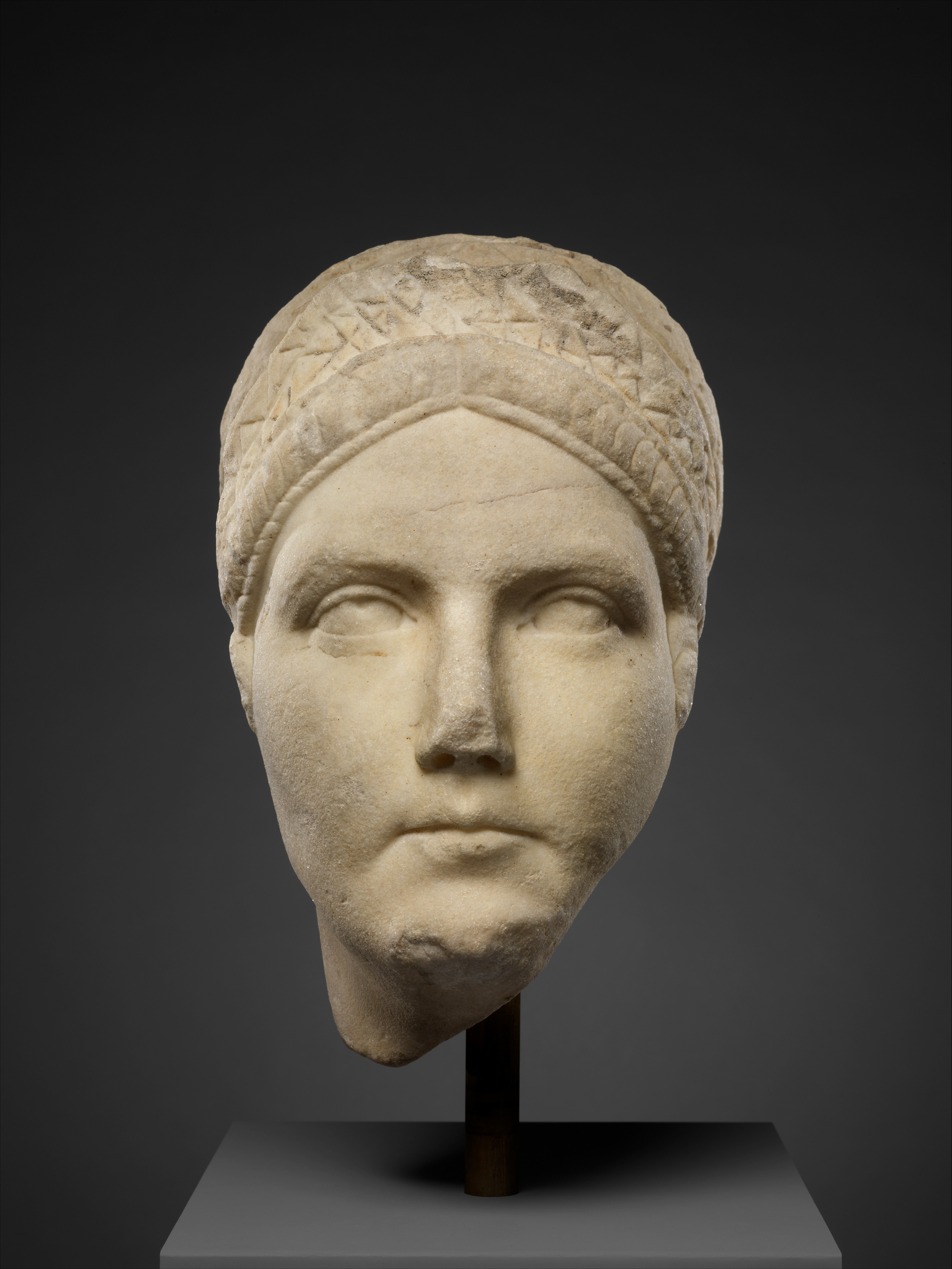
Marble portrait, probably of Matidia, niece of the emperor Trajan and mother of Sabina, wife of the emperor Hadrian
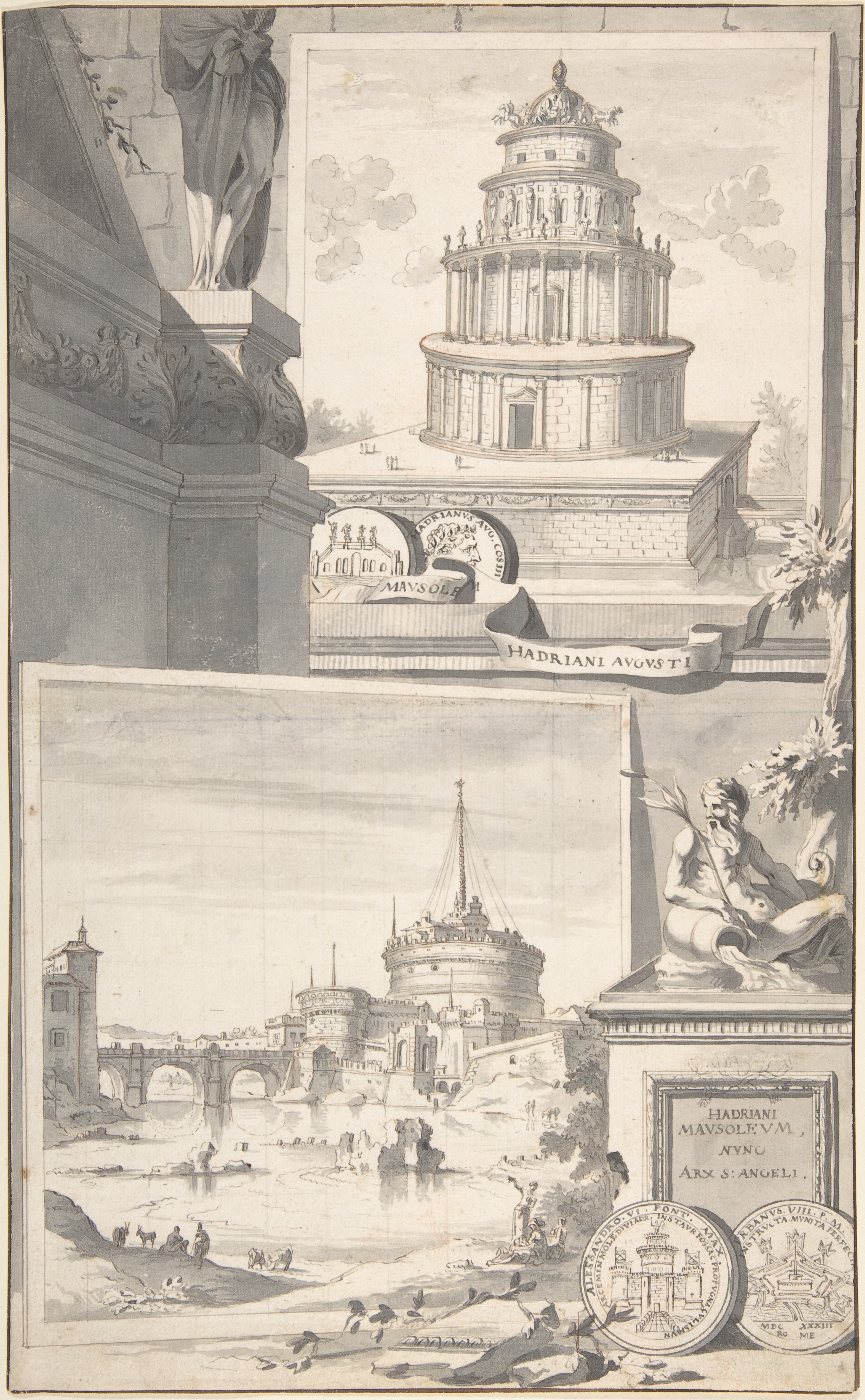
Reconstruction of the Mausoleum of Hadrian (above) and a View of the Castel S. Angelo (below)
Jan Goeree

Confronted busts of the Emperor Hadrian (Publius Aelius Hadrianus, 76–138) and his favorite, Antinous (d. 130)
More from the Late Antiquity


Explore what happened on the days that shaped Hadrian's life. Today In History connects historical figures with the events, births, and deaths that defined their era. Browse all historical figures or explore today's events.