

Historical Figure
Nero
37–68
Roman emperor from AD 54 to 68
Talk to Nero
Have a conversation with this historical figure through AI
Biography
Nero Claudius Caesar Augustus Germanicus was a Roman emperor and the final emperor of the Julio-Claudian dynasty, reigning from AD 54 until his suicide in AD 68.
In Their Own Words (2)
Timeline
The story of Nero, told in moments.
Born Lucius Domitius Ahenobarbus in Antium. His father Gnaeus is known for cruelty even by Roman standards. When congratulated on his son's birth, he reportedly says the child of himself and Agrippina can only be "abominable and a public disaster." He dies when Nero is three.
Becomes emperor at 16 after his stepfather Claudius dies from poisoned mushrooms, almost certainly prepared on the orders of Nero's mother Agrippina. She has spent years positioning her son for this moment: convincing Claudius to adopt him, sidelining Claudius's biological son Britannicus, securing the support of the Praetorian Guard.
Britannicus, his 13-year-old stepbrother and rival for the throne, drops dead at a palace banquet. Poison. Nero tells the shocked guests that Britannicus suffered from epilepsy and the seizure will pass. The dinner continues.
Orders the murder of his mother Agrippina. The first attempt, a self-collapsing boat designed to drown her, fails. She swims to shore. He sends soldiers to finish the job. According to Tacitus, her last words are: "Strike here" pointing to her womb, "for this bore Nero."
Takes up singing and performing on stage. He enters public competitions and forces the audience to sit through hours of his performances. Nobody is allowed to leave. Suetonius claims women give birth in the theater and men fake their own deaths to escape. He considers himself a great artist. Rome disagrees.
Rome burns for six days. Ten of fourteen districts are damaged. Three are completely destroyed. The popular legend says Nero fiddled while Rome burned, but the fiddle doesn't exist yet. Tacitus says he sang a poem about the fall of Troy while watching from a tower. Whether he set the fire is still debated. What is certain: he builds his extravagant Golden House on the cleared land.
Blames the fire on Christians and launches the first Roman persecution against them. According to Tacitus, some are covered in animal skins and torn apart by dogs. Others are crucified. Others are used as human torches to light Nero's gardens at night. The historian says it was cruelty, not justice.
Travels to Greece and competes in the Olympic Games. He enters the chariot race, falls off the chariot during the race, and fails to finish. The judges award him first place anyway. He collects 1,808 prizes across multiple festivals. Every contest he enters, he wins. Nobody dares let the emperor lose.
Commits suicide in a freedman's villa outside Rome. The Senate has declared him a public enemy, punishable by being beaten to death with rods. His hands shake too badly to use the knife himself. A servant helps guide it to his throat. His last words, weeping: "Qualis artifex pereo." What an artist dies in me. He is 30.
His death ends the Julio-Claudian dynasty, which has ruled Rome for a century since Augustus. The Year of the Four Emperors follows: Galba, Otho, Vitellius, and finally Vespasian, who founds the Flavian dynasty. Vespasian drains Nero's artificial lake and builds the Colosseum on the site. A monument to public entertainment, rising from the ruins of private excess.
Artifacts (2)
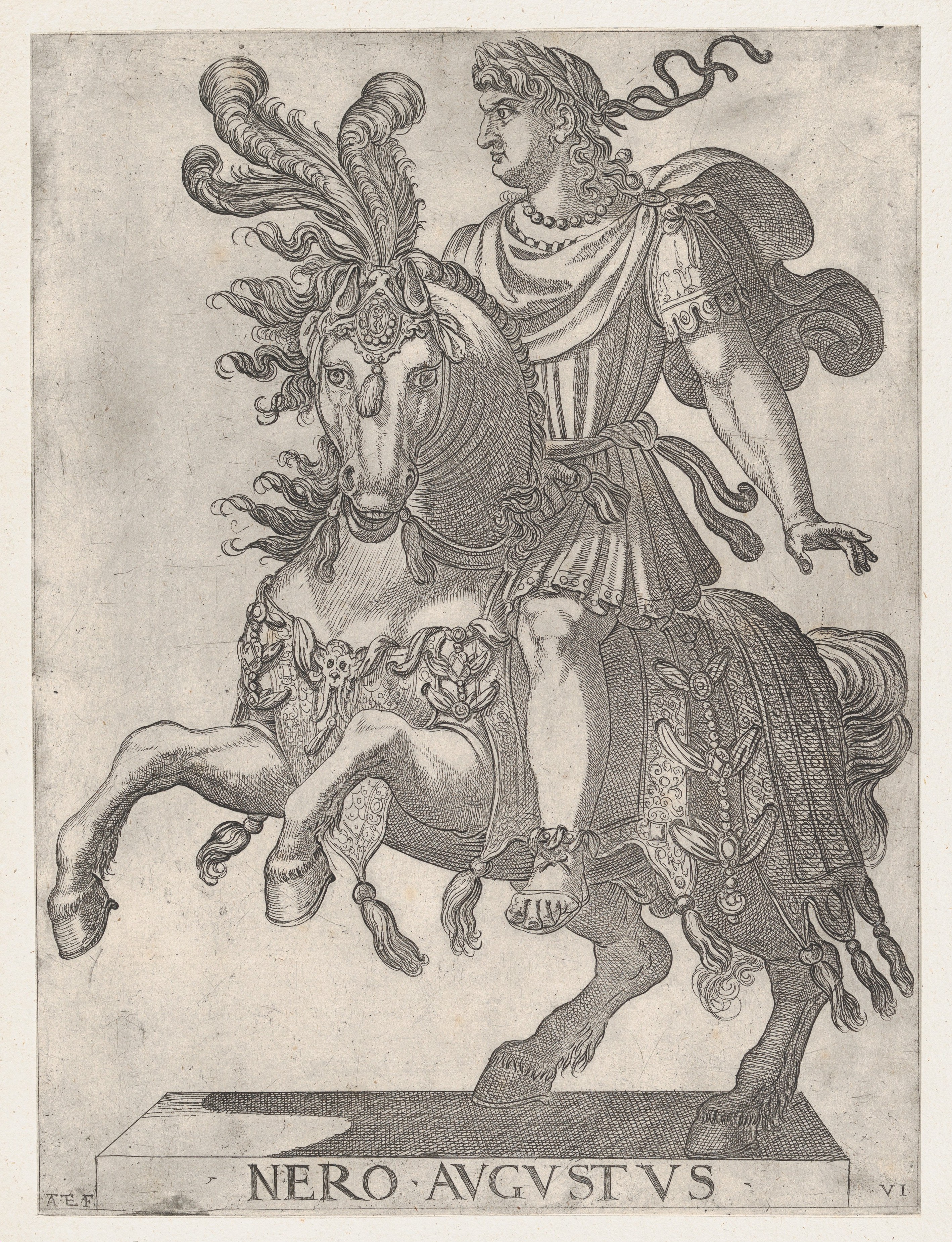
Plate 6: Emperor Nero on Horseback, from ' The First Twelve Roman Caesars'
Antonio Tempesta|Giovanni Battista di Lazzaro Panzera da Parma
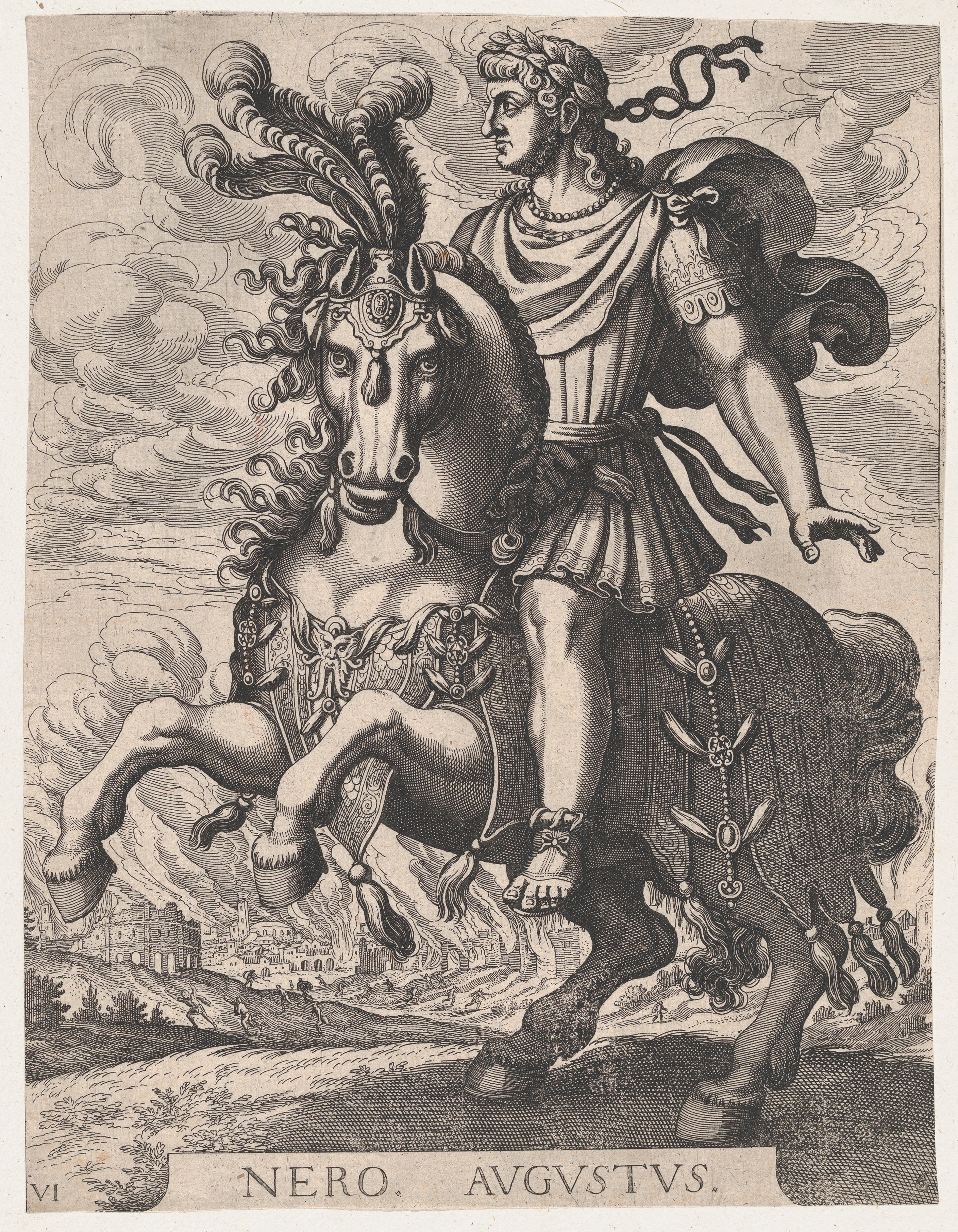
Plate 6: Emperor Nero on Horseback, from 'The First Twelve Roman Caesars', after Tempesta
Antonio Tempesta|Matthäus Merian the Elder
More from the Late Antiquity


Explore what happened on the days that shaped Nero's life. Today In History connects historical figures with the events, births, and deaths that defined their era. Browse all historical figures or explore today's events.